
Residents living close to Microsoft’s Fairwater data centre in Mount Pleasant, Wisconsin, have filed a lawsuit against the tech giant, alleging that excessive noise from the facility has disrupted their daily lives.
According to The Milwaukee Journal Sentinel, the proposed class-action lawsuit was filed on Wednesday at the U.S. District Court for the Eastern District of Wisconsin. The case was brought by three residents of Sturtevant, Wisconsin, a village located about 30 miles south of **Milwaukee> and near the data centre.
“Through its operation and maintenance of the Data Center, Defendant has emitted, and continues to emit, unreasonable and excessive noise onto Plaintiffs’ properties, thereby causing property damages through private nuisance and negligence,” the lawsuit states.
The lawsuit marks the latest backlash from residents in communities affected by the rapid expansion of data centres across the United States, driven by the growing demand for artificial intelligence infrastructure. Opponents have raised concerns over persistent noise, air pollution, heavy water consumption, and rising electricity costs. In several states, local communities have staged protests and advocated for legislation aimed at restricting or halting the construction of new data centres.
The Fairwater facility represents the first phase of Microsoft’s planned data centre development on the campus. According to Wisconsin Public Radio, both Microsoft and electronics manufacturer Foxconn, which already has a presence at the location, intend to expand their data centre footprint on the site over the coming years.
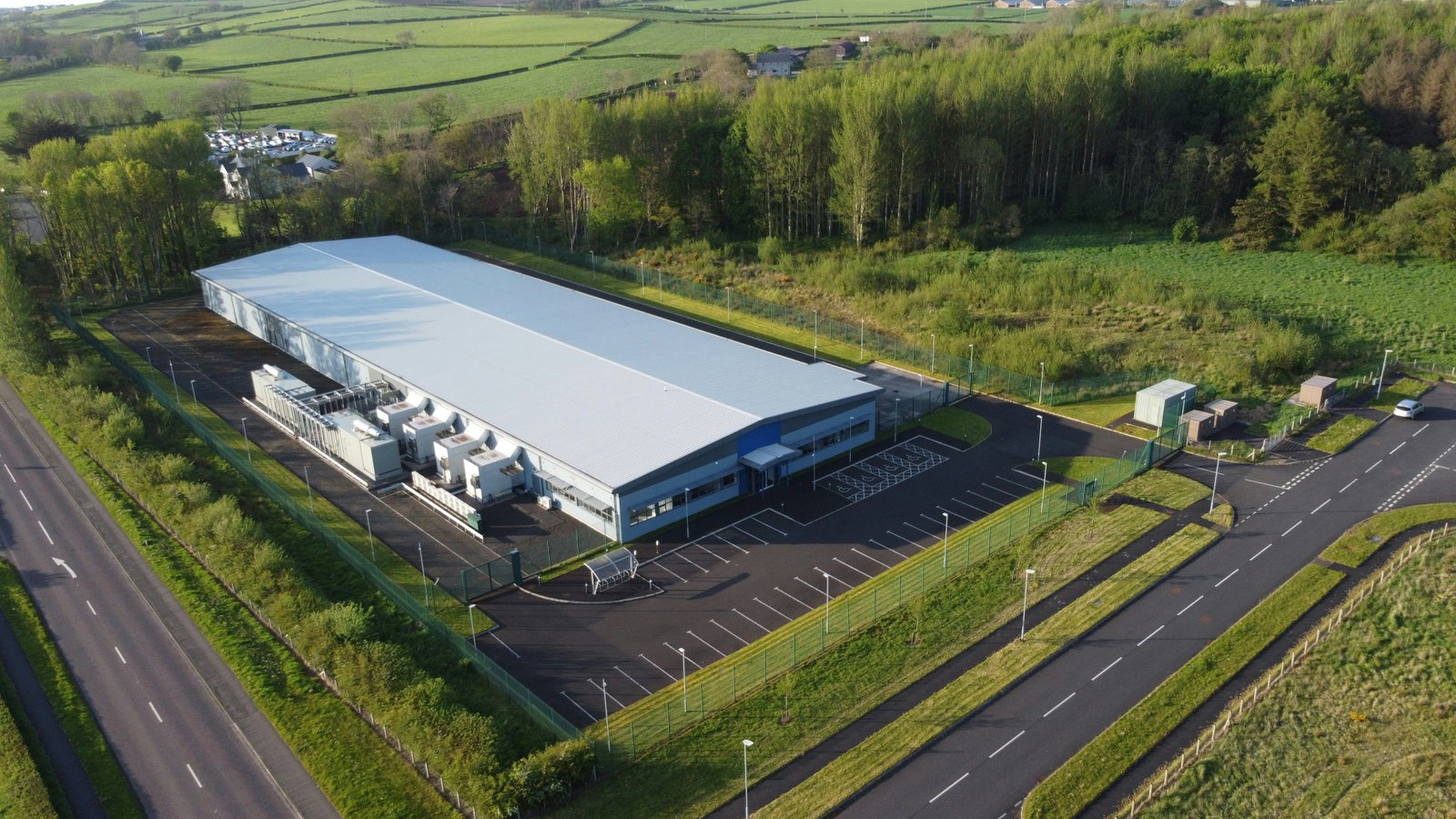
The lawsuit references complaints and public submissions made to the Wisconsin Department of Natural Resources concerning the facility. According to the plaintiffs, the data centre produces excessive noise from its diesel generators as well as its heating, ventilation and air conditioning (HVAC) equipment, including chillers, cooling towers, air-handling units and condenser fans.
The plaintiffs argue that the noise generated by the data centre is persistent and intrusive rather than occasional. They also allege that Microsoft did not put in place effective noise-control infrastructure, such as sound barriers or other mitigation systems, allowing excessive noise from the facility to extend beyond its premises and affect nearby neighbourhoods.
In the lawsuit, the residents are requesting financial compensation, although they have not specified the amount being sought. A spokesperson for Microsoft told The Milwaukee Journal Sentinel that the company is aware of the legal action involving its facility in the Village of Mount Pleasant.
“Microsoft is committed to being a good neighbor in the communities where we build, own, and operate our data centers,” the company said in its statement.
Sean Ryan, the communications director for the Village of Mount Pleasant, told The Milwaukee Journal Sentinel that the village has not received any noise complaints since Microsoft implemented modifications to the facility in mid-April to reduce a persistent humming sound coming from the data centre.
“Village officials stand ready to respond if people do reach out to us, and will continue to ensure Microsoft is a good corporate citizen and a good neighbor,” he said.
In April, Microsoft looked into residents’ complaints and concluded that the persistent humming sound reported by nearby homeowners was being generated by the data centre’s cooling fan system.
“We anticipated that our systems would need adjustments and create some noise as part of the data center startup, but we did not expect the tonal quality of the sound to travel as far as it has,” the company said in a statement.
“Several neighbors confirmed what our independent monitoring showed: that these mitigations fully resolved the issue,” the company said.
According to Wisconsin Public Radio, nearby residents say their concerns extend beyond noise from the data centre. They have also complained about dust generated by construction activities, excessive lighting from the facility at night, and increased traffic in the area, which they say has disrupted daily life.
Larry Neumiller, a resident of the area for nearly 40 years whose home is now directly opposite the data centre site, said construction activities have become a daily source of disruption. He noted that the regular flow of heavy-duty trucks generates constant noise, while dust from the construction work frequently spreads across nearby homes and streets.
“There are times I’ll be coming from Sturtevant, and I can’t see my house because the dust is blowing across the roads,” he told WPR.
He added that construction workers use extremely bright lighting at the site, saying the illumination is so intense that even closed window blinds cannot block it out. Another resident, Roger Johansen, who lives directly across from the data centre, also expressed concern, noting that the strong lighting has disrupted the quiet nighttime environment he previously enjoyed.
“It was so dark out there; you could see all the stars, and now you have a hard time seeing the stars with all the light,” he told WPR.
Brian Schue, another local resident who only recently moved into the area, said the situation around the data centre has already made him reconsider staying long-term.
He complained that the area had become a “dust bowl.”
“I just washed my truck, and it’s completely dusty again,” he told WPR.
On its project website, Microsoft stated that measures such as operating street sweepers for about 10 hours daily will be used to reduce dust from construction activities. The company also noted that lighting and construction operations at the site are permitted within regulated hours, running from 6 a.m. to 10 p.m., as part of its approved work schedule.
Despite ongoing concerns raised by residents, the data centre project continues to receive backing from the leadership of Mount Pleasant, which has maintained support for the development.
In a press statement marking the opening of the facility, David DeGroot described the development as a significant achievement for the community and the wider region. He said the project represents a historic moment for Mount Pleasant and Racine County, highlighting the arrival of one of the world’s most advanced technology campuses.