
Morgan Freeman sat down with CBS Mornings on February 27 to promote his latest project, narrating the Netflix docuseries The Dinosaurs. But within minutes, the conversation shifted to a different kind of problem: artificial intelligence companies attempting to clone his iconic voice.
When co-host Vladimir Duthiers asked about AI replication, Freeman leaned forward, paused, and delivered a response that has since ricocheted across social media and news outlets.
“I’ve got lawyers,” he said simply.
The three-word punchline made headlines everywhere, from Complex to Yahoo News. But the interview revealed far more than just a legal warning.
What Freeman Actually Said
Freeman confirmed his legal team is already active against unauthorized uses of his voice, describing them as “tamping that down.” It’s a stance he’s held for years. In a previous Guardian interview, he was blunter: “Don’t mimic me with falseness. I get paid for doing stuff like that, so if you’re gonna do it without me, you’re robbing me.”
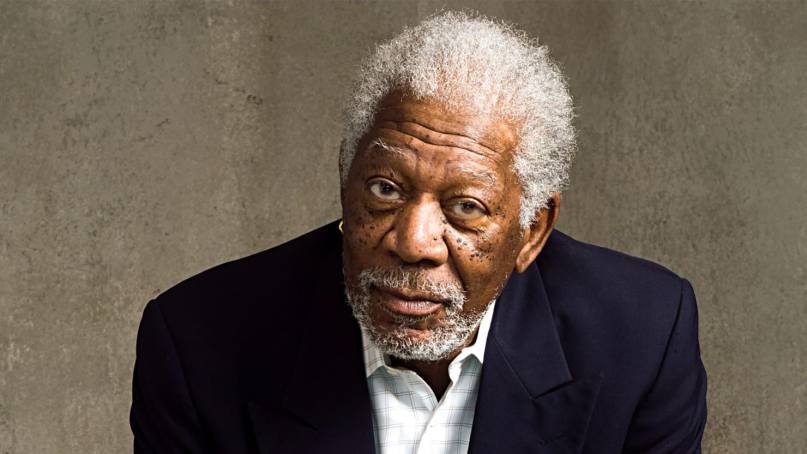
But the most revealing moment came when Duthiers asked if his voice was a natural gift.
“I went to school and studied voice and diction,” Freeman simply explained.
He described studying under Robert Whitten at Los Angeles City College, learning specific techniques—yawning to relax the throat, pronouncing final consonants for clarity. The revelation challenges the common assumption that his baritone was simply something he was born with.
According to archival interviews, a young Freeman arrived at LACC with a high-pitched Southern accent. The voice that would later narrate March of the Penguins and The Shawshank Redemption emerged through years of deliberate practice.
What the Coverage Misses
While nearly every outlet led with the lawyer quote, and most mentioned his training, few have connected those dots to the broader ethical questions surrounding AI voice replication.
The dominant framing treats this as a celebrity rights story—a wealthy actor protecting a lucrative brand. Industry observers suggest that framing, while accurate, misses a larger point.
When AI companies train models on Freeman’s voice, they’re not only sampling a sound, they’re also extracting the result of a vocational journey they didn’t pay for and couldn’t recreate. The distinction, some ethicists argue, is between a performance and a data point.
Public reaction suggests audiences intuitively grasp this. Beneath news coverage, commenters on a Facebook post about Freeman noted: “By denying each person’s uniqueness you do a great disservice to us all. Isn’t that what makes us human, after all?” Another observed that while Freeman is “almost as good” as David Attenborough, there remains something irreplaceable about the original.
The Nuance in His Position
Freeman isn’t categorically opposed to voice synthesis. The interview revealed he previously approved a deal with an English company that paid him “handsomely” to let a sound-alike actor perform. His objection, he made clear, is to unauthorized use.
This puts him at one pole of a growing divide in Hollywood. Recent reporting shows Matthew McConaughey and Michael Caine have both signed with AI company ElevenLabs to license their voices, with McConaughey even investing. Caine, 92, reportedly views it as a way to “give” his voice to future generations.
Freeman’s approach represents a consent-based alternative: license when the deal respects the contribution; don’t when it doesn’t.
What’s at Stake
The question some industry veterans are asking: If AI can replicate Morgan Freeman, what happens to the next generation of actors trying to build distinctive careers?
A young actor arriving at LACC today with a regional accent and professional ambitions operates under the same economic logic that sustained Freeman’s six-decade career: develop a rare skill, build a reputation, command a premium for what only you can do. If that premium disappears because studios can generate “Freeman-esque” narration for pennies, the incentive to invest in craft may diminish.
Freeman, at 88, continues working. He recently told reporters that every new offer brings back the energy he’s always had. The dinosaurs he narrates went extinct because they couldn’t adapt. But adaptation, he suggests, isn’t the same as surrender.
His approach combines legal action with selective licensing—using available tools to defend what technology cannot replicate, which is a human investment behind the sound.
“I’ve got lawyers” made for a memorable headline. But the larger story, Freeman’s interview suggests, is what those lawyers are defending: not just a voice, but the principle that some things are earned, not extracted.