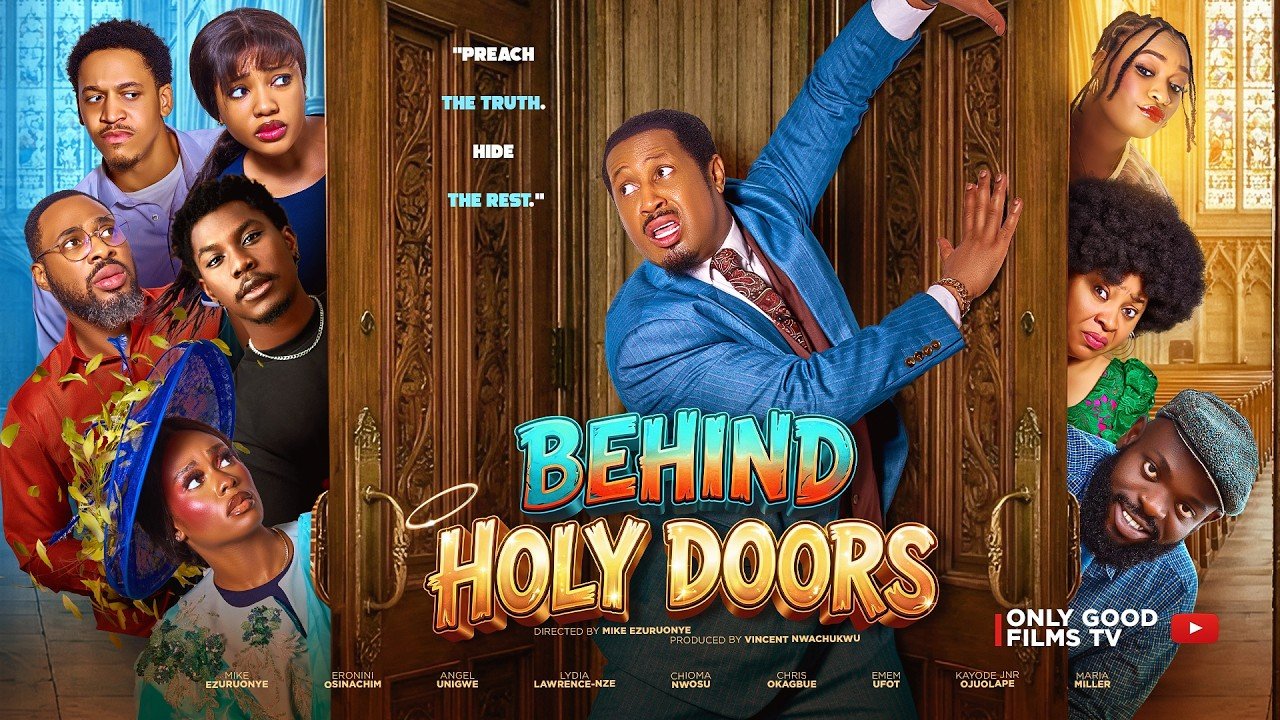

At first glance, Behind Holy Doors presents an intriguing idea—a mystery set within a church, blending humour with suspense. It’s the kind of concept that immediately sparks curiosity. However, while the foundation is strong, the film struggles to fully deliver on its potential due to noticeable lapses in execution.
Directed by Mike Ezuruonye and written by Onyinye Ifedozie, the film aims to explore human behaviour under pressure. Unfortunately, inconsistencies in storytelling and performance occasionally weaken its overall impact.
An Engaging Plot Undermined By Gaps
The storyline revolves around a church donation of $20,000 that mysteriously goes missing shortly after it is received. What begins as a moment of celebration quickly turns into confusion and suspicion.
While the premise is engaging, the film struggles with logical consistency. Certain character decisions feel unrealistic, particularly during the investigation process. For instance, the prolonged presence of all suspects in the same space without attempting to leave raises questions about believability.
The mystery itself is compelling, but the execution lacks the tightness needed to make it truly gripping.
Uneven Pacing And Structure
One of the film’s early challenges is its pacing. The opening scenes feel chaotic and somewhat disorganised, making it difficult for viewers to settle into the story.
Although the narrative becomes more stable as it progresses, the initial lack of structure leaves a lasting impression. Some scenes drag longer than necessary, while others feel rushed, creating an imbalance that affects the flow of the film.
A more refined structure could have significantly improved the storytelling.
Inconsistent Performances
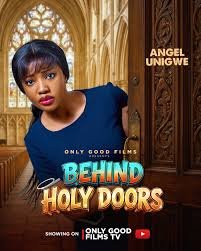
The cast features strong talents, including Mike Ezuruonye, Angel Unigwe, and Eronini Osinachi. However, performances are not consistently convincing across the board.
Some actors deliver solid and believable portrayals, while others lean into exaggerated expressions and unnecessary shouting, particularly in the early scenes. This inconsistency disrupts the tone of the film and makes certain moments feel less authentic.
As the film progresses, performances improve, but the uneven start affects overall cohesion.
Missed Opportunities In Character Development
Another area where the film falls short is character depth. While the story introduces multiple suspects, it doesn’t fully explore their backgrounds or motivations.
This lack of development makes it harder for viewers to form strong emotional connections with the characters. A deeper dive into their personal stories could have heightened the tension and made the mystery more impactful.
Instead, some characters feel underdeveloped, serving more as plot devices than fully realised individuals.
Distracting Creative Choices
Certain production elements also contribute to the film’s shortcomings. Some set design choices feel out of place and may distract viewers from the story.
Additionally, minor inconsistencies—such as dialogue delivery and pronunciation—highlight a lack of attention to detail in parts of the production. While these issues may seem small, they collectively affect the film’s overall polish.
A Strong Message, But A Divisive Ending
Despite its flaws, Behind Holy Doors succeeds in delivering a message about human nature, trust, and the consequences of actions. It highlights how quickly people can turn against one another when faced with suspicion and pressure.
However, the ending may not resonate with all viewers. While it offers a surprising twist, it also raises questions about morality and accountability, leaving some audience members divided.
Final Verdict
Behind Holy Doors is a film with a compelling idea and moments of genuine entertainment, but its execution holds it back from being truly outstanding.
From pacing issues to inconsistent performances and underdeveloped characters, the film struggles in key areas that could have elevated it further. Still, it remains an enjoyable watch for those who appreciate character-driven mysteries with a touch of humour.