

The Nigerian Naira moved further into the first week of May with little sign of recovery, holding around familiar levels as major foreign currencies continued to dominate activity in the parallel market. Hopes that the local currency would regain strength after April have yet to materialize, leaving the Naira still struggling against the Dollar, Euro, and Pound.
Although the market appears relatively stable on the surface, there has been no significant improvement in the value of the Naira. Pressure on the foreign exchange market remains strong, with demand for foreign currencies continuing to outweigh available supply.
Current Black Market Exchange Rates
As of Thursday, May 7, 2026, rates in the parallel market remain largely unchanged:
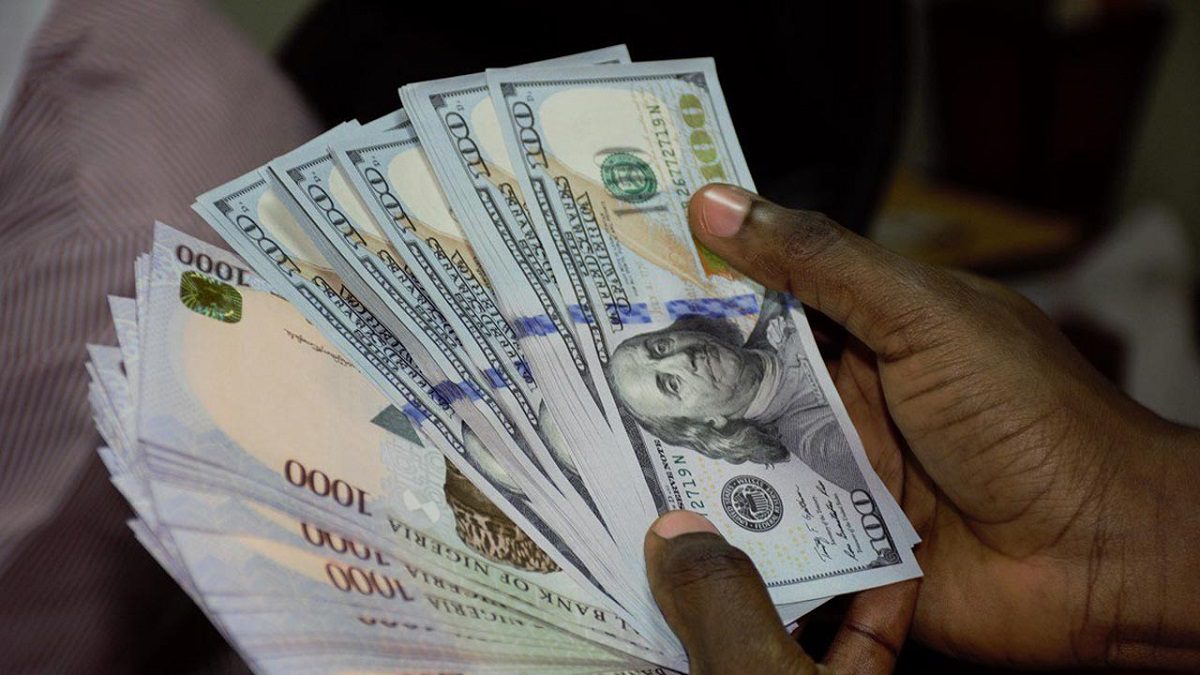
US Dollar: Buying at ₦1,390 and selling at ₦1,400
Euro: Buying at ₦1,600 and selling at ₦1,630
British Pound: Buying at ₦1,840 and selling at ₦1,885
Why the Naira Remains Weak
The continued pressure on the Naira is being driven by sustained demand for foreign currencies across several sectors of the economy. Importers, travelers, students, and businesses still rely heavily on Dollars, Euros, and Pounds for transactions, while supply remains limited.
This imbalance between demand and supply has made it difficult for the Naira to record any meaningful recovery. At the same time, uncertainty surrounding the economy and future monetary policies has encouraged many traders and investors to hold onto foreign currencies rather than release them into the market.
What This Means for Nigerians
The effects of a weak Naira continue to be felt by millions of Nigerians. Since the country depends heavily on imported goods, high exchange rates are increasing the cost of food items, fuel, transportation, electronics, healthcare products, and other essential commodities.
For many households, this means reduced purchasing power and growing financial pressure. While the exchange market may appear calm at the beginning of May, the lack of real improvement in the Naira’s value means the cost-of-living burden remains a serious concern for many Nigerians.