

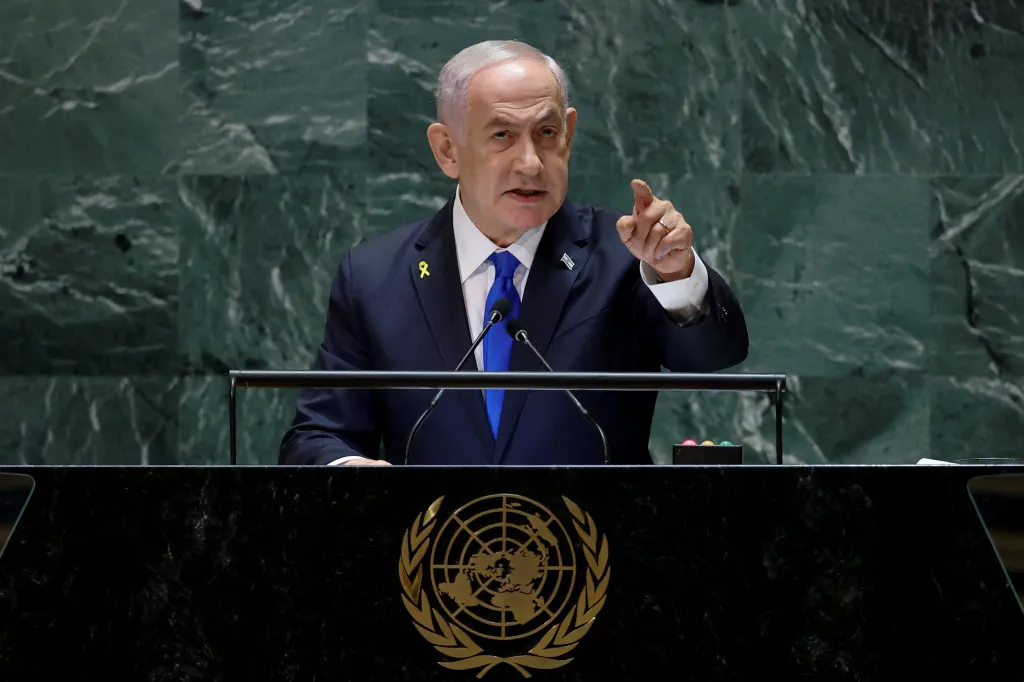
Israeli Prime Minister Benjamin Netanyahu has taken an extraordinary step, asking the country’s president for a pardon amid his long-running corruption trial. Netanyahu framed the pardon as a necessary step for national unity, arguing that ongoing legal proceedings are preventing him from effectively governing.
Desperate Plea or Political Strategy?
Netanyahu’s request comes five years into a series of corruption cases that accuse him of bribery, fraud, and breach of trust. Despite the gravity of the charges, he continues to deny any wrongdoing. His legal team stressed that he believes the courts would ultimately clear him, but claimed that the constant hearings are disruptive and deepen societal divisions.
Critics have not minced words. Opposition leader Yair Lapid and other political figures argue that begging for a pardon without admitting guilt is a disgrace and undermines the rule of law. They insist that a pardon should only follow acknowledgment of responsibility and should not serve as a shortcut around accountability. Many see this request as an attempt to sidestep the consequences that come from years of alleged misconduct.
Political Allies Rally
Netanyahu’s coalition allies have quickly thrown their support behind him. Finance Minister Bezalel Smotrich and National Security Minister Itamar Ben-Gvir described the pardon request as reasonable, citing the strain of governing while facing relentless court obligations. They argue that the prime minister’s ability to maintain security and stability is at stake, and that national interests outweigh procedural norms.
Even U.S. President Donald Trump weighed in, urging Israel’s President Isaac Herzog to grant clemency, framing the case against Netanyahu as politically motivated. While international endorsements add weight, domestic critics warn that succumbing to political pressure risks eroding the independence of Israel’s judiciary.
Public Reaction and Controversy
Many citizens view Netanyahu’s plea as a desperate attempt to cling to power while avoiding legal consequences. Social media is awash with commentary mocking the prime minister for “begging for mercy” rather than facing justice. Some emphasize that repeated elections and public trust do not erase the need for accountability, and they warn that pardoning a sitting leader under such circumstances sets a dangerous precedent.
Implications for Governance
Legal experts note that granting a pardon before a trial concludes is highly unusual in Israel and could have significant political and legal repercussions. Netanyahu’s lawyers argue that the pardon is necessary for “healing divisions” and stabilizing governance. Yet, many see this as a transparent attempt to escape scrutiny while maintaining influence over the most right-wing government in the nation’s history.
Meanwhile, the country faces mounting security and economic challenges. Netanyahu’s track record on security, especially during the recent wars in Gaza and with Hezbollah, has earned him both praise and criticism. Some argue that his strategic acumen is overshadowed by allegations of corruption, while others contend that asking for a pardon underlines a willingness to put personal interest above public trust.
A Leader at Crossroads
This episode highlights the complex persona of Netanyahu: a seasoned politician who has survived decades in the volatile world of Israeli politics, yet remains under the shadow of serious accusations. His plea for mercy, denial of all charges, and insistence on continuing to govern illustrate a blend of political audacity and vulnerability.