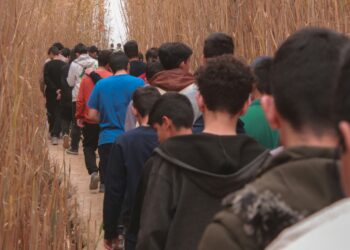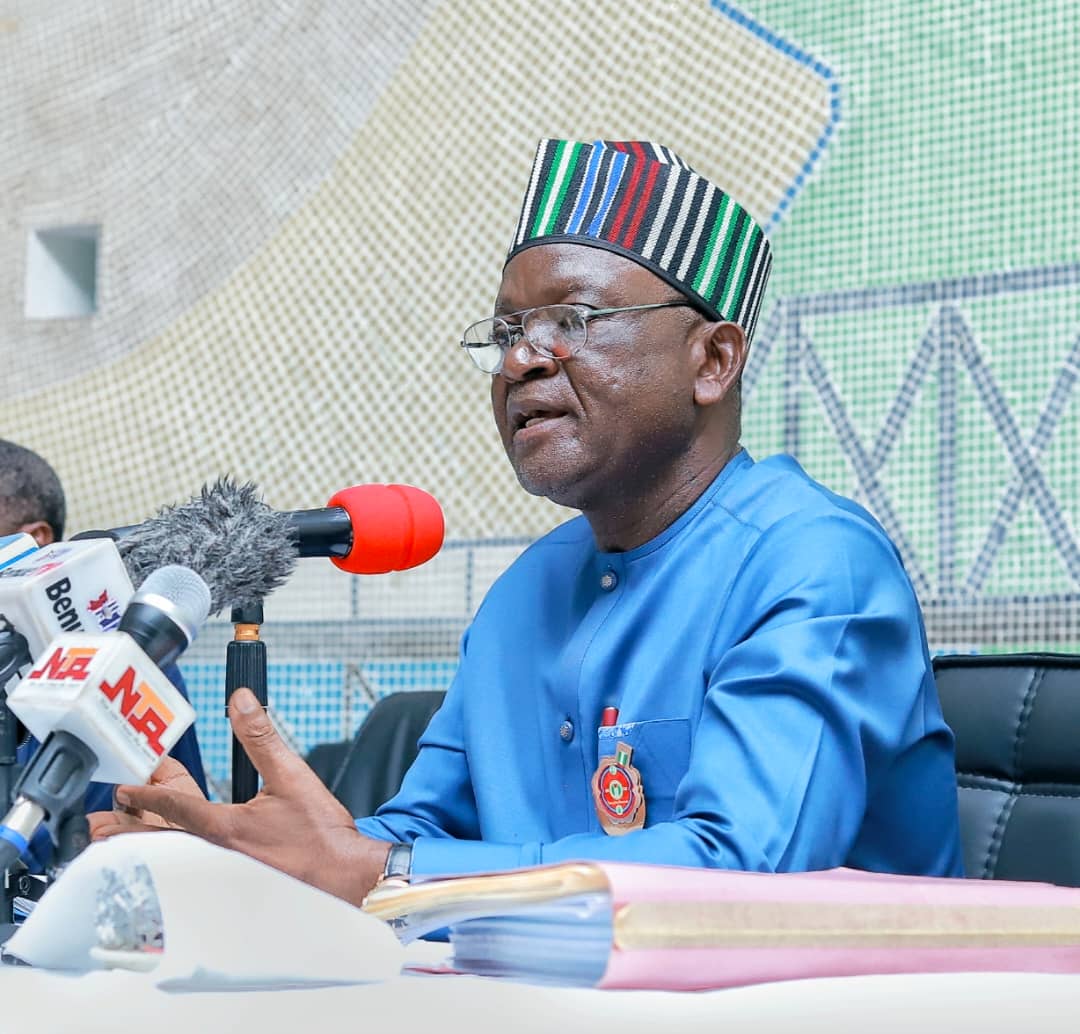

The recent return of the 100 children kidnapped from St. Mary’s Catholic Private School in Papiri, Niger State, raises serious questions about how safe schools really are in the region. While the Federal Government secured their release and Governor Umaru Bago personally received them at the state government house, the focus should not just be on the rescue but on why such a situation happened in the first place. The fact that young kids could be abducted in the first place shows glaring failures in security, planning, and accountability.
Who is Responsible?
The Federal Government acted quickly once the crisis became public, imposing a 24-hour security cordon and launching aerial surveillance. But these measures came after the abduction, not before. The parents, teachers, and authorities in the area were left vulnerable, showing that preventive systems are weak. Security agencies cannot keep claiming victories in rescue operations while the root causes, lack of patrols, poor local intelligence, and inadequate school protection, remain unchecked.

Political Show or Real Action?
President Bola Tinubu cancelled international travel to handle the crisis, a move meant to show urgency. However, appearances and photo opportunities do not erase the fact that children were in danger for days. Governor Bago receiving the kids in buses is reassuring, but it also raises the question: why was it allowed to happen under the noses of local authorities? The story highlights not just heroics but systemic gaps in safety that must be addressed.
Schools as Targets
The indefinite closure of schools in Niger State and nearby federal institutions signals that authorities are aware of continuing threats. But it also disrupts education and normal life for thousands of children who were not involved. Abductions have become a recurring nightmare in Nigeria, yet solutions remain reactive instead of proactive. Communities deserve real protection, not temporary fixes.
Promises vs Reality
National Security Adviser Nuhu Ribadu assured parents and school authorities that “evil will never win” and that the children would return safely. While comforting, words alone do not prevent such attacks. A stronger plan needs to include permanent security in schools, better intelligence gathering, and collaboration with local communities. Parents should not have to live in fear, hoping someone will intervene at the last moment.
Lessons to Learn
This incident proves that Nigeria cannot continue to rely solely on emergency responses. Responsibility is shared, from the federal government to state authorities, down to school management. Clear strategies for prevention, quick response, and accountability are needed. Niger State has been lucky this time, but the system must improve to prevent the next tragedy.
The return of the kidnapped children is a relief, but the bigger story is about accountability. Real safety comes from systems that anticipate threats, not just reactions that arrive after the worst has happened.