
The Nigerian Senate has approved President Bola Ahmed Tinubu’s request to borrow an additional $6 billion in external loans, adding to a national debt burden that already consumes more than 90% of government revenue and has surpassed N150 trillion.
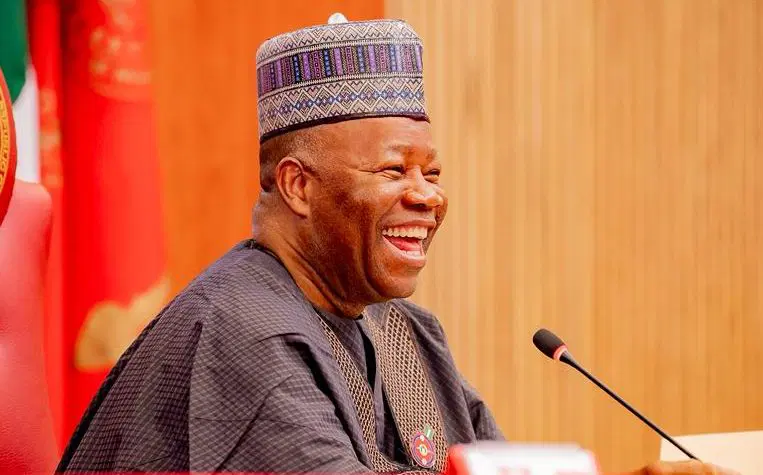
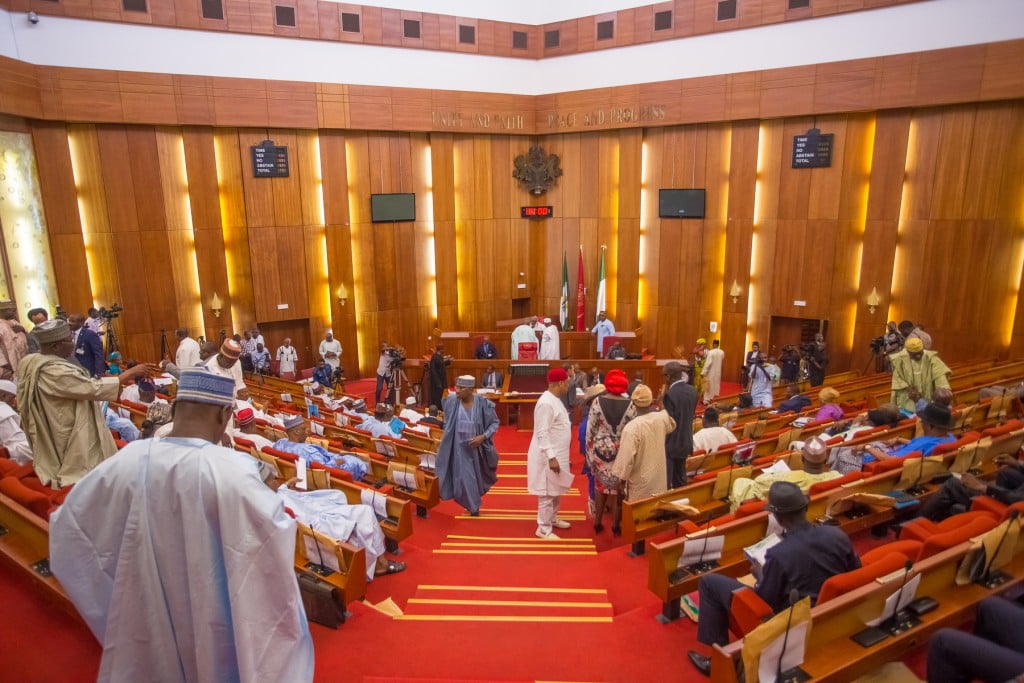
The approval came on Wednesday after the Senate Committee on Local and Foreign Debts, chaired by Senator Aliyu Wamakko, presented its report recommending the borrowing. Senate President Godswill Akpabio had read the President’s request during plenary on Tuesday before referring it to the committee.
There was no debate on the floor. No questions about how the money would be spent. No discussion of the debt-to-revenue ratio has economists warning of an impending fiscal crisis.
The loans were approved.
The Breakdown
The $6 billion package consists of two separate facilities:
· $5 billion from First Abu Dhabi Bank, intended for budget financing and to manage existing debt obligations
· $1 billion arranged through a UK export finance structure involving Citibank in London, earmarked for the rehabilitation and upgrade of the Lagos Port Complex and Tin Can Island Port
President Tinubu told the National Assembly that the port projects are intended to address “longstanding operational inefficiencies, improve safety standards, and enhance Nigeria’s capacity for non-oil trade, positioning the country as a competitive regional trade hub.”
The $5 billion facility, he said, would be disbursed in phases “to help manage the impact on the country’s debt profile while addressing urgent financing needs.”
A separate communication to the House of Representatives, which is also considering the request, specified that the port rehabilitation loan package includes $901 million in commercial contract funding and UK insurance premiums—representing 96% of the total project cost.
The Debt Picture
Nigeria’s public debt has grown at an alarming rate under successive administrations, but Tinubu’s borrowing spree has accelerated the trajectory.
As of December 2025, the country’s total public debt stood at N150.8 trillion, according to the Debt Management Office. Debt service—the amount the government pays just to keep its loans current—now consumes more than 90% of federal revenue.
That means for every naira the government collects, less than 10 kobo is available for roads, schools, hospitals, and security. The rest goes to paying interest.
The new $6 billion loan, at current exchange rates, adds roughly N9 trillion to the debt stock. At prevailing interest rates, the annual servicing cost will exceed N1.5 trillion—money that will not be spent on Nigerians.
The Argument for Borrowing
The President’s office and its supporters argue that borrowing is necessary to keep the government functioning and to invest in critical infrastructure.
“These projects are not luxuries,” a presidency source told reporters on condition of anonymity. “The ports have been neglected for decades. They are inefficient, dangerous, and a bottleneck to our economic growth. If we don’t borrow to fix them now, we will continue to lose revenue from trade, and that loss will exceed the cost of the loan.”
The phased drawdown of the $5 billion facility, officials say, is designed to minimize the immediate impact on the debt profile while addressing pressing financing needs.
The Questions No One Asked
In the Senate chamber, there was no debate. No senator asked how the $5 billion would be spent beyond the vague phrase “budget financing.” No one demanded specifics on what “priority infrastructure” the money would fund. No one questioned why a government that just raised fuel prices, increased VAT, and eliminated fuel subsidies still cannot fund its budget without borrowing.
The loan approvals came the same week the National Bureau of Statistics reported that inflation had risen to 32.7%, with food inflation exceeding 40%. Millions of Nigerians have been pushed into poverty over the past two years. The minimum wage, even after recent increases, cannot cover basic necessities in major cities.
But in the Senate, the question was not “can Nigerians afford more debt?” It was “Should we approve the President’s request?”
The answer, in both chambers, appears to be yes.
The House Will Follow
The House of Representatives is expected to approve the same request in the coming days. The President’s party holds commanding majorities in both chambers. The outcome is not in doubt.
When the House approves, Nigeria’s total debt will cross the N160 trillion mark. Debt service will consume an even larger share of revenue. And the government will have bought itself a few more months of solvency—at a cost that future generations will be paying long after this administration has left office.
The Question That Remains
Who will pay back the $6 billion loan?
The answer, on paper, is the Nigerian people. The debt is sovereign—it belongs to the state, and the state derives its revenue from taxes, oil sales, and other levies paid by citizens and businesses.
But in practice, the question is more complicated. Debt can be refinanced, restructured, or—in extreme cases—defaulted upon. The burden can be shifted from one generation to the next, from one government to the next, from taxpayers to the unborn.
What is certain is that the money will be borrowed. What is certain is that the interest will accrue. What is certain is that someone, someday, will have to pay.
The Senate has done its part. The House will do its part. The President will sign the papers. The money will arrive. The ports will be rehabilitated—or maybe they won’t. The budget will be financed—or maybe it will still fall short.
But the debt will remain. And in the years to come, when Nigerians ask where the money went, and who decided to borrow it, and why there was no debate before adding another trillion naira to the national burden, the answer will be recorded in the annals of the 10th Senate:
Approved. Without debate. Without question. Without a second thought for who would pay it back.
Will the port rehabilitation deliver the economic boost the President promises? Or will the $6 billion loan join the ranks of borrowed billions that disappeared into a system incapable of delivering results?
For now, the answer is as uncertain as the country’s fiscal future.