
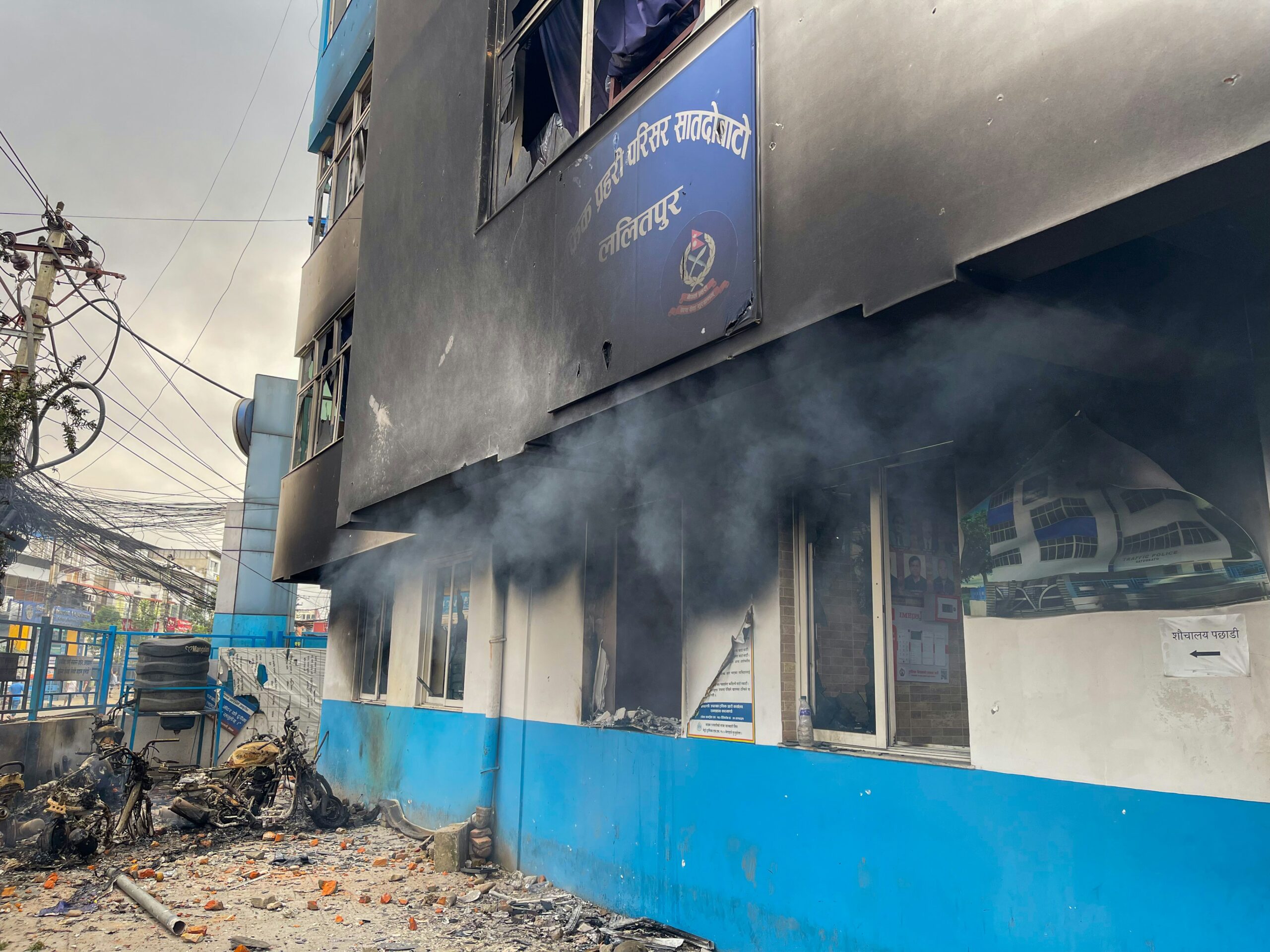
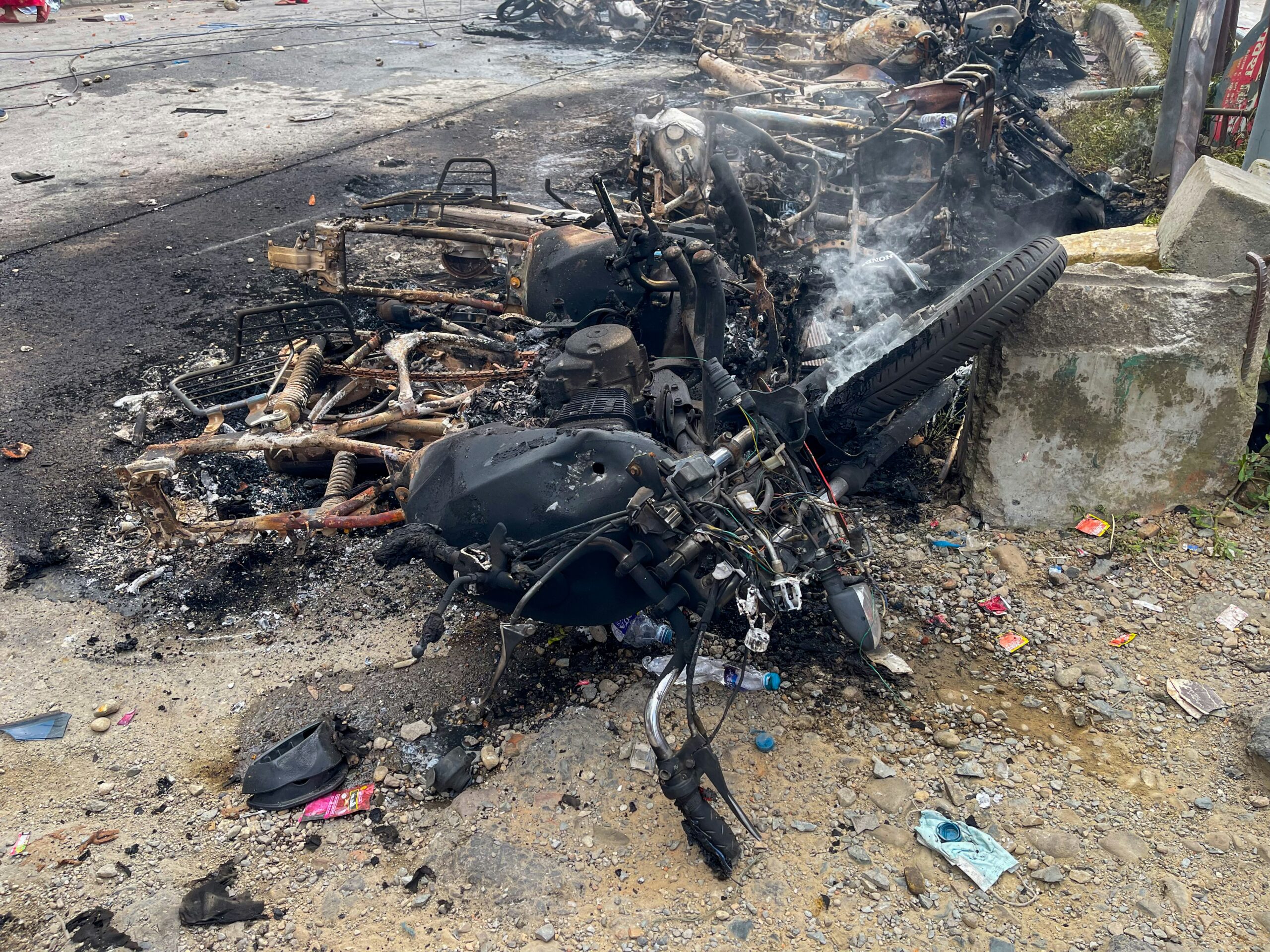
The Nigerian High Commission in South Africa issued an urgent advisory on Monday telling its citizens to “lie low,” suspend cultural gatherings, and avoid inflammatory statements after violent protests in KuGompo City (formerly East London) left cars torched, shops looted, and a man stabbed.
The unrest was triggered by the purported coronation of Chief Solomon Ogbonna Eziko as “Igwe Ndigbo Na East London”—a title that, while symbolic for Nigeria’s Igbo diaspora, exploded into a firestorm of xenophobic fury on foreign soil.
But beneath the burning cars and shattered windows lies a deeper, older story: two African giants locked in an uneasy rivalry, each claiming continental leadership, and their citizens caught in the crossfire of resentment built over decades.
What Happened in KuGompo City?
The march on Monday was intended to be a peaceful demonstration. Protesters—including members of Operation Dudula, the March and March movement led by Jacinta Ngobese-Zuma, and traditional leaders who arrived in taxis from as far as KwaZulu-Natal—planned to deliver a memorandum of demands to the Buffalo City mayor’s office.
Their grievance: that the coronation of a Nigerian traditional ruler on South African soil violated the country’s sovereignty and constitutional order.
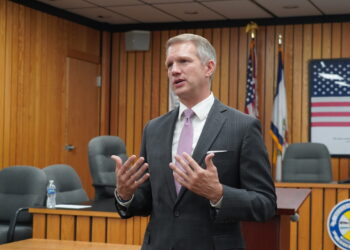
“The title ‘Igwe,’ while recognised in Igbo communities in Nigeria, is not part of South Africa’s traditional leadership system, where such recognition requires lineage, endorsement by traditional authorities, and formal government approval,” South Africa’s Deputy Minister of Cooperative Governance, Prince Zolile Burns-Ncamashe, explained.
Videos of the ceremony, which reportedly took place on March 14, circulated widely on social media. What happened next was predictable to anyone familiar with the region’s history: the protest turned violent.
Police deployed stun grenades. Vehicles were set ablaze. Shops allegedly owned by foreign nationals were looted. A man was stabbed in the back—allegedly by a foreign national—and taken to the hospital.
By Monday afternoon, no arrests had been made. The scene remained active.
The Immediate Fallout
The Nigerian High Commission in Pretoria moved quickly. In a 10-point advisory, it urged citizens to:
· Remain security-conscious and moderate their movements
· Suspend all socio-cultural gatherings
· Avoid making inflammatory statements, especially on social media
· Maintain a low profile and respect local laws
· Stay away from protests or counter-protests
“No coronation, no king,” the message seemed to say. The commission also distanced the Nigerian government from the event, with Burns-Ncamashe confirming that the high commissioner had written a letter “expressing the apology to the people of South Africa”.
Eastern Cape authorities made it clear: no approval was granted. The ceremony reportedly took place in an area under the amaRharhabe Kingdom, led by King Jonguxolo Vululwandle Sandile, which has rejected the development. The AbaThembu Royal House also denied reports that King Buyelekhaya Dalindyebo had welcomed or granted royalty to the Nigerian national, calling the claims the work of “sick and depraved minds”.
The Simmering Tensions: A History of Resentment
To understand why a single coronation could ignite such violence, one must understand the long, troubled relationship between Nigeria and South Africa—and between South Africans and the foreign nationals they often blame for their country’s woes.
The Economic Rivalry
For years, Nigeria and South Africa have competed for the title of Africa’s economic powerhouse. South Africa has long enjoyed advantages: a diversified industrial base, advanced financial systems, and institutional maturity. Its economy benefits from balanced manufacturing, mining, energy, and services, providing multiple pillars of strength.
But the tides are shifting. The International Monetary Fund projects that Nigeria will become Africa’s top contributor to global economic growth in 2026, with real GDP growth forecast at 4.4 percent, while South Africa lags at 1.4 percent. South Africa faces power shortages, logistical bottlenecks, and weak private investment. Nigeria, despite its volatility, is gaining momentum.
This economic divergence has not gone unnoticed. When Tesla CEO Elon Musk shared the IMF data on X, he commented that “the balance of power is changing”—a remark widely interpreted as pointing to a gradual shift in economic momentum away from established powers toward emerging economies like Nigeria.
The Xenophobia Cycle
But economic rivalry is only part of the story. South Africa has a long, painful history of xenophobic violence targeting foreign nationals, particularly Nigerians.
In February, the Africa Development Study Centre urged the Federal Government to summon South Africa’s High Commissioner after a viral video showed a Nigerian cab driver being strangled to death by attackers who made off with his valuables. The expert, Victor Oluwafemi, noted that Nigeria currently has no substantive ambassador in South Africa—a “strategic gap” he called unacceptable.
Days earlier, in a February 16 opinion piece titled “Plight of Nigerians in South Africa: Urgent call to action,” Tochu Okorie wrote that more than 3,000 Nigerian citizens currently languish on the streets of South Africa—stranded, vulnerable, and abandoned.
“These are not mere statistics,” Okorie wrote. “They are men and women with names, families, histories, and hopes; Nigerians who dared to dive in search of life and destiny for whom circumstance has turned cruel and distance has rendered them voiceless”.
He described Nigerians trapped by expired visas, xenophobic hostilities, job losses, and an unforgiving cost of living. “Many sleep in overcrowded shelters or depend on the precarious charity of compatriots who themselves are barely surviving”.
The Political Wedge
The coronation controversy has become a political football. ActionSA Eastern Cape leader Athol Trollip condemned the ceremony, stating that “there was no constitutional provision for any foreigner, legal or illegal, to coronate themselves in the Eastern Cape”.
The Patriotic Alliance went further, with spokesperson Steve Motale saying: “We condemn that fake coronation. We are happy that even the Nigerian High Commissioner in SA has also condemned it”.
Groups like Operation Dudula, which have made anti-immigrant rhetoric central to their political identity, seized on the coronation as proof that foreigners are not just taking jobs—they are now claiming sovereignty.
What South Africa’s Government Is Saying
South African authorities have attempted to calm the situation while reaffirming the importance of diplomatic engagement.
Deputy Minister Burns-Ncamashe emphasized that diplomatic protocols must be followed: “We have a diplomatic relationship with the Federal Republic of Nigeria, and it’s important to follow that level of protocol and etiquette whenever there’s an incident that would’ve affected the nationals from a particular country”.
He confirmed that authorities would be meeting with the Nigerian High Commissioner, who had already distanced the Nigerian government from the event.
Eastern Cape Premier Lubabalo Oscar Mabuyane also called for calm, urging restraint from all sides.
But for many Nigerians in South Africa, the government’s words ring hollow. They have heard calls for calm before. They have watched homes looted, businesses burned, and citizens killed. And they have waited—often in vain—for protection.
The Bigger Picture: Two Giants, One Continent
The coronation crisis is a symptom, not a cause. It reveals the fragile foundation of a relationship that should—by all logic—be one of Africa’s great partnerships.
Nigeria and South Africa are the continent’s two largest economies. Their populations, resources, and cultural influence make them natural leaders. Yet their relationship is marked by mistrust, rivalry, and periodic violence that leaves bodies in the streets.
Nigerians in South Africa face a paradox: they are celebrated globally for their culture—Afrobeats, Nollywood, entrepreneurial energy—yet resented locally for the same success. South Africans, meanwhile, struggle with unemployment, inequality, and a sense that foreigners are taking what should be theirs.
“It is not about one coronation,” a Nigerian community leader in Johannesburg told Reuters on condition of anonymity. “It is about years of being told we are not welcome. Years of being attacked. Years of waiting for our own government to remember we exist.”
What Comes Next
The Federal Government’s 10-point advisory was necessary but insufficient. As Okorie wrote in his February plea, “The cost of inaction is grave. Beyond the human suffering involved, continued abandonment feeds a corrosive narrative: that Nigerian citizenship is a burden abroad and a liability at home”.
Victor Oluwafemi, president of the Africa Development Study Centre, put it more bluntly in February:
“Protection of citizens must be intentionally built into foreign policy architecture. Bilateral engagements must include enforceable commitments on citizen safety”.
The coronation controversy has now forced both governments to engage. Burns-Ncamashe confirmed that diplomatic channels are open. The Nigerian High Commission has issued its warnings. But the deeper questions remain:
When will Nigeria appoint a substantive ambassador to South Africa?
When will South Africa’s government move beyond calls for calm to enforceable protections for foreign nationals?
And when will two of Africa’s greatest nations recognize that their rivalry serves neither, and that their citizens, on both sides, are paying the price?