New York City has launched a new website allowing residents to report businesses that make it difficult to cancel subscriptions, the first municipal portal of its kind in the United States.
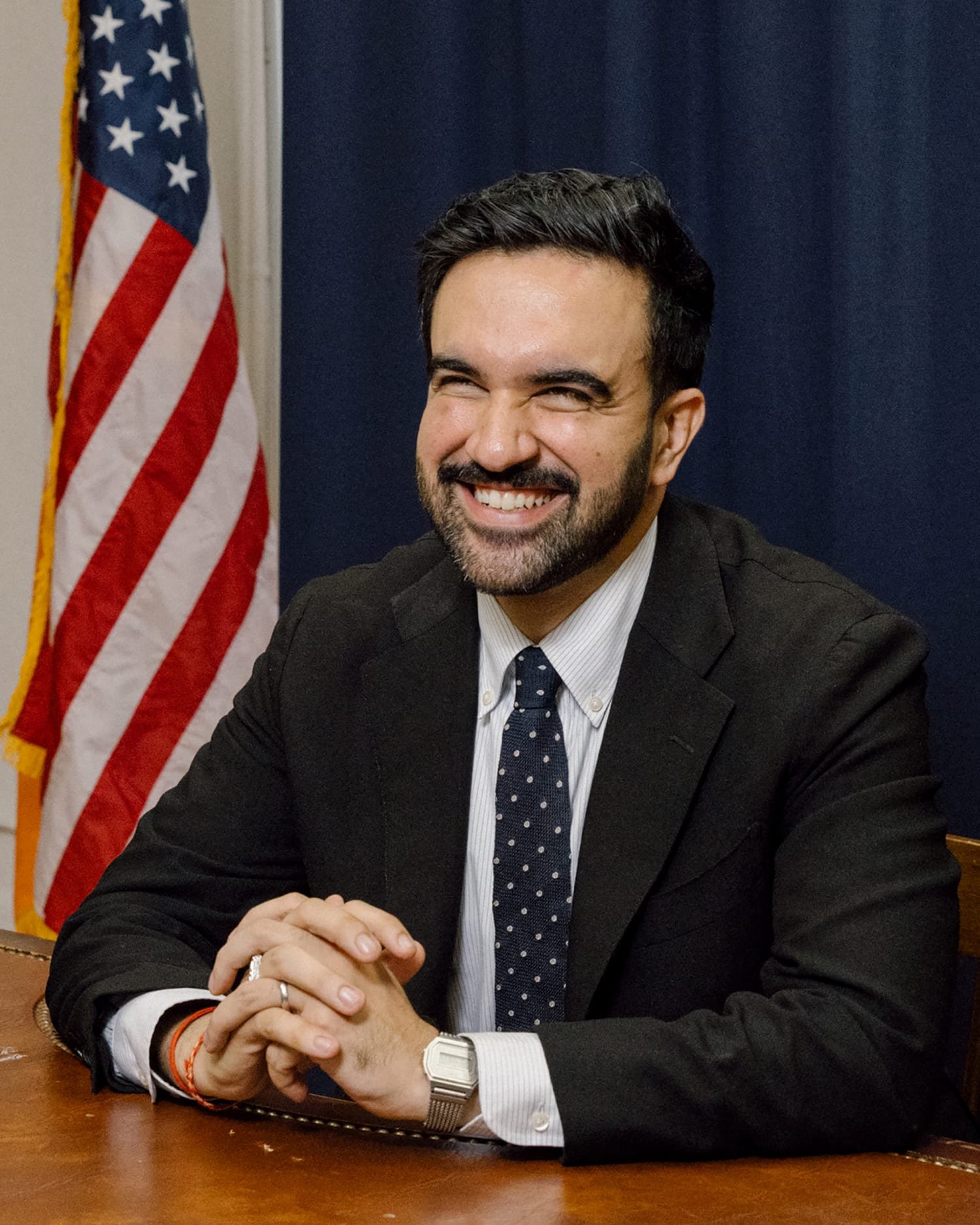
The “Click to Cancel” rule, announced by Mayor Zohran Mamdani in July, took effect October 1, 2026. The Department of Consumer and Worker Protection will enforce the rule, which requires businesses to provide a cancellation process as simple as the sign-up process.
“Starting today, you can submit complaints about businesses that make canceling subscriptions difficult,” the city announced. Complaints will be reviewed by DCWP, and mediators may be assigned to resolve matters.
What the Rule Does
Under the Click to Cancel rule, businesses offering automatic renewal or continuous service subscriptions must clearly disclose subscription terms and provide a straightforward cancellation process in the same method as sign-up.
Businesses cannot require consumers to pay to ship back items they received for free. They also cannot hang up on consumers attempting to cancel, obscure cancellation instructions, or misrepresent the consequences of cancellation.
The rule is projected to save New Yorkers between $21.5 million and $162.5 million annually, according to the Roosevelt Institute. Mayor Mamdani has said the average NYC family loses $3,200 a year to junk fees and hidden costs.
The Penalties
Businesses that violate the rule are liable for restitution to harmed consumers and civil penalties. Fines start at $525 per violation, rising to $1,050 for a second violation and $3,500 for third and subsequent violations.
Unlike New York State law, which caps penalties for multiple violations arising from a single act, the city imposes a fixed amount per violation. The city rule also lacks an express bona fide error defense.
The Broader Context
New York City is the first municipality in the nation to implement a Click to Cancel rule. The move comes as federal consumer protection efforts have stalled. The FTC’s own Click to Cancel rule was vacated by the Eighth Circuit in July 2025 on procedural grounds, though the agency continues to enforce subscription practices under the Restore Online Shoppers’ Confidence Act.
Mayor Mamdani has acknowledged he too has been trapped by subscriptions. “I’m currently subscribed to something that I didn’t even know my login for, but they have my credit card information, and I don’t know how to cancel it,” he said in July.
The Bottom Line
New York City has launched a portal for residents to report businesses that make it difficult to cancel subscriptions. The Click to Cancel rule, the first of its kind in the nation, requires businesses to provide cancellation as easy as sign-up. Fines start at $525 per violation. The rule is projected to save New Yorkers up to $162.5 million annually.
My Opinion
Subscription traps are not an accident. They are a business model. Companies make it easy to sign up and nearly impossible to cancel because they know that most people will give up before they get through. The average New York family loses $3,200 a year to junk fees and hidden costs. That is not a rounding error. That is rent money.
Mamdani’s Click to Cancel rule is a simple idea: if you can sign up with one click, you should be able to cancel with one click. That should not be controversial. It should not have taken a municipal government to make it happen. But the federal government has failed. The FTC’s own Click to Cancel rule was killed in court. Congress has done nothing. So New York City stepped in.
The business lobby will call this overreach. They will say it burdens small businesses and invites frivolous complaints. But let us be clear about who is actually being protected here. It is not the companies that design confusing cancellation processes and hope customers give up. It is the people who just want to stop paying for something they no longer use.
Mamdani admitted he has been trapped by a subscription he cannot cancel. If the mayor of New York City cannot figure it out, what chance does everyone else have? The portal will not fix everything. But it is a start. And it is more than Washington has done.