

Nigeria’s oil and gas space has entered another tense moment as the presidency moves to replace the heads of two powerful regulatory agencies, an action that already signals deeper control battles, policy direction questions, and worries about continuity in a sector that carries the country’s economic weight. This development around the leadership of the upstream and midstream regulators is not just routine government business; it touches the heart of how Nigeria manages its most important resource.
What Has Happened
The President has formally written to the Senate, asking lawmakers to confirm new chief executives for the Nigerian Midstream and Downstream Petroleum Regulatory Authority and the Nigerian Upstream Petroleum Regulatory Commission. This followed the resignation of the current heads of both agencies.
Farouk Ahmed stepped down from his role at the midstream and downstream authority, while Gbenga Komolafe also resigned from the upstream commission. Both men were appointed in 2021 under the previous administration, shortly after the Petroleum Industry Act became law.
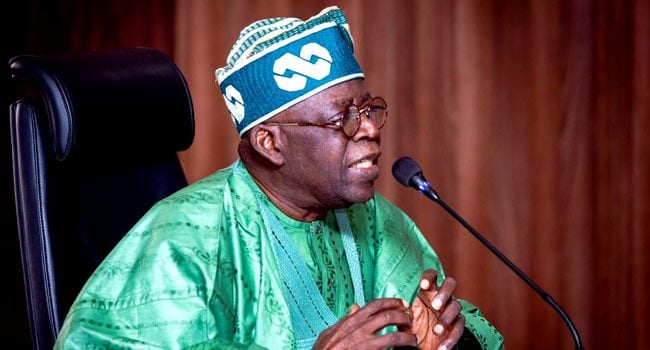
The letters sent to the Senate make it clear that the executive arm wants fresh leadership in these institutions, and it wants it quickly.
Why This Matters So Much
These two agencies control the engine room of Nigeria’s oil and gas sector. One oversees exploration and production, while the other regulates refining, fuel distribution, and pricing structures. Any leadership change here affects investors, fuel prices, government revenue, and public trust.
Nigeria is already struggling with low production, fuel subsidy backlash, rising costs of living, and public anger over how oil wealth has been managed. Changing the leadership at this time raises a simple question in the minds of many Nigerians: Is this about reform, or about control?
The Shadow of the Petroleum Industry Act
The Petroleum Industry Act was meant to bring stability, transparency, and professionalism into the sector. The outgoing executives were among the first set of leaders appointed to run the new system.
Now that they are leaving before many of the law’s promises are fully felt, there is concern about whether policies will be reset, slowed down, or quietly redirected. When institutions keep changing heads too often, consistency suffers.
Politics Cannot Be Ignored
It would be naïve to pretend politics is not involved. Oil regulation in Nigeria has never been neutral. Whoever controls these agencies controls licensing, approvals, compliance, and billions of naira in decisions.
For a president trying to tighten his grip on governance and signal authority, reshuffling key oil regulators sends a strong message.
What the Senate’s Role Should Be
The Senate now has a serious duty. Confirmation should not be a rubber stamp. Lawmakers must ask hard questions about competence, independence, and plans for the sector. Nigerians deserve to know whether the new nominees will protect national interest or simply follow political instructions.
This is not the time for quiet approvals and backroom deals. The oil sector is too important for that.
What Nigerians Are Watching For
People are not expecting miracles, but they want honesty, stability, and clear direction. They want regulators who will enforce rules, not bend them. They want leaders who understand that oil wealth should reduce suffering, not deepen it.
This moment goes beyond names sent to the Senate. It reflects how power is exercised, how reforms are treated, and whether Nigeria is serious about fixing its oil sector or just rearranging seats.