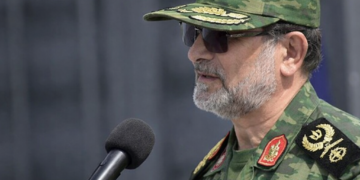

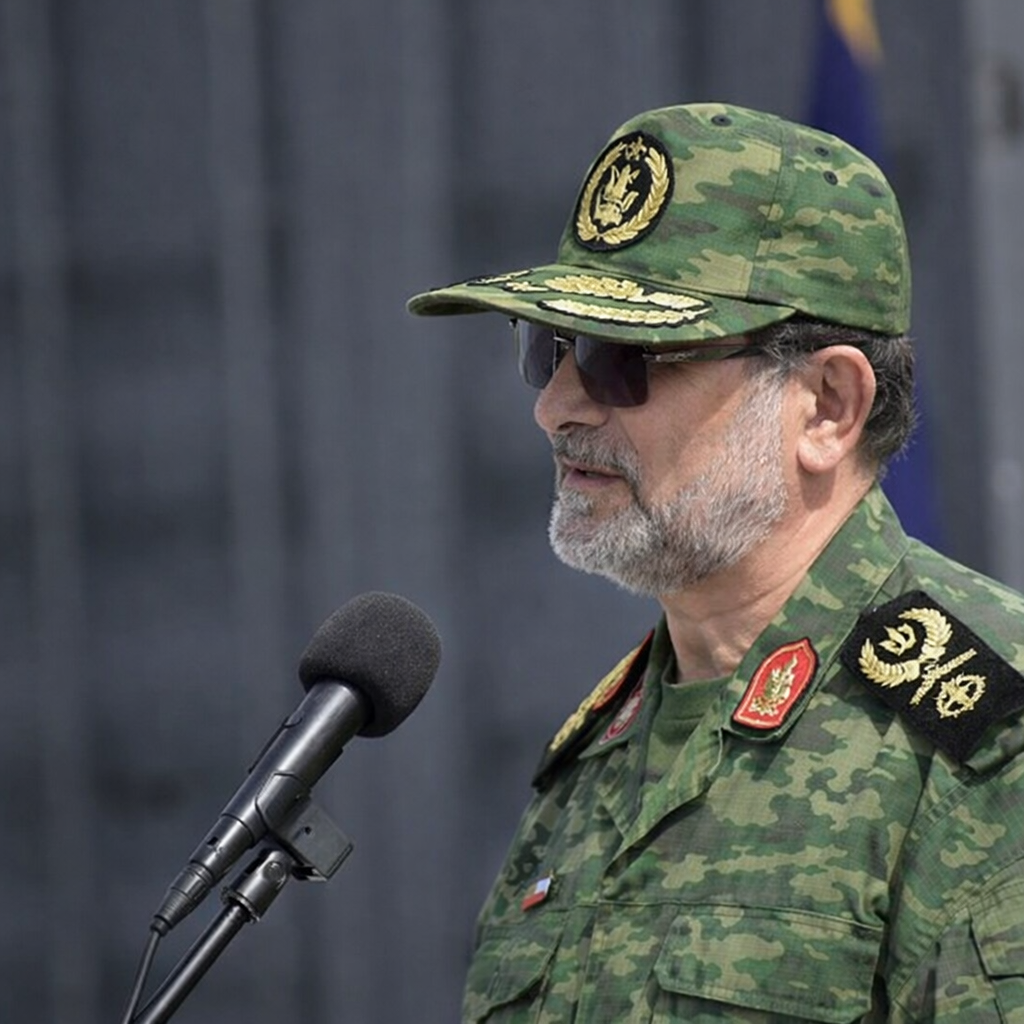
The Islamic Revolutionary Guard Corps confirmed Monday that Rear Admiral Alireza Tangsiri, the commander of its naval forces, has died from injuries sustained in Israeli strikes — the latest in a series of devastating blows to Iran’s military leadership following the February 28 assassination of Supreme Leader Ayatollah Ali Khamenei.
The IRGC issued a statement confirming Tangsiri’s death, calling it “martyrdom” and vowing to continue operations “until the complete defeat of the enemy”.
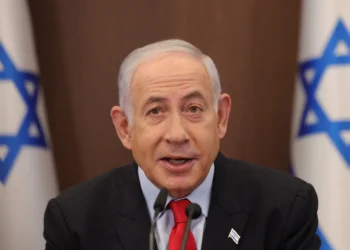
Israel’s Defense Minister, Israel Katz, claimed responsibility for the attack on March 26, announcing: “In a precise and lethal operation, the IDF eliminated the commander of the IRGC Navy, Tangsiri, along with senior naval command officials”.
The Strategic Loss
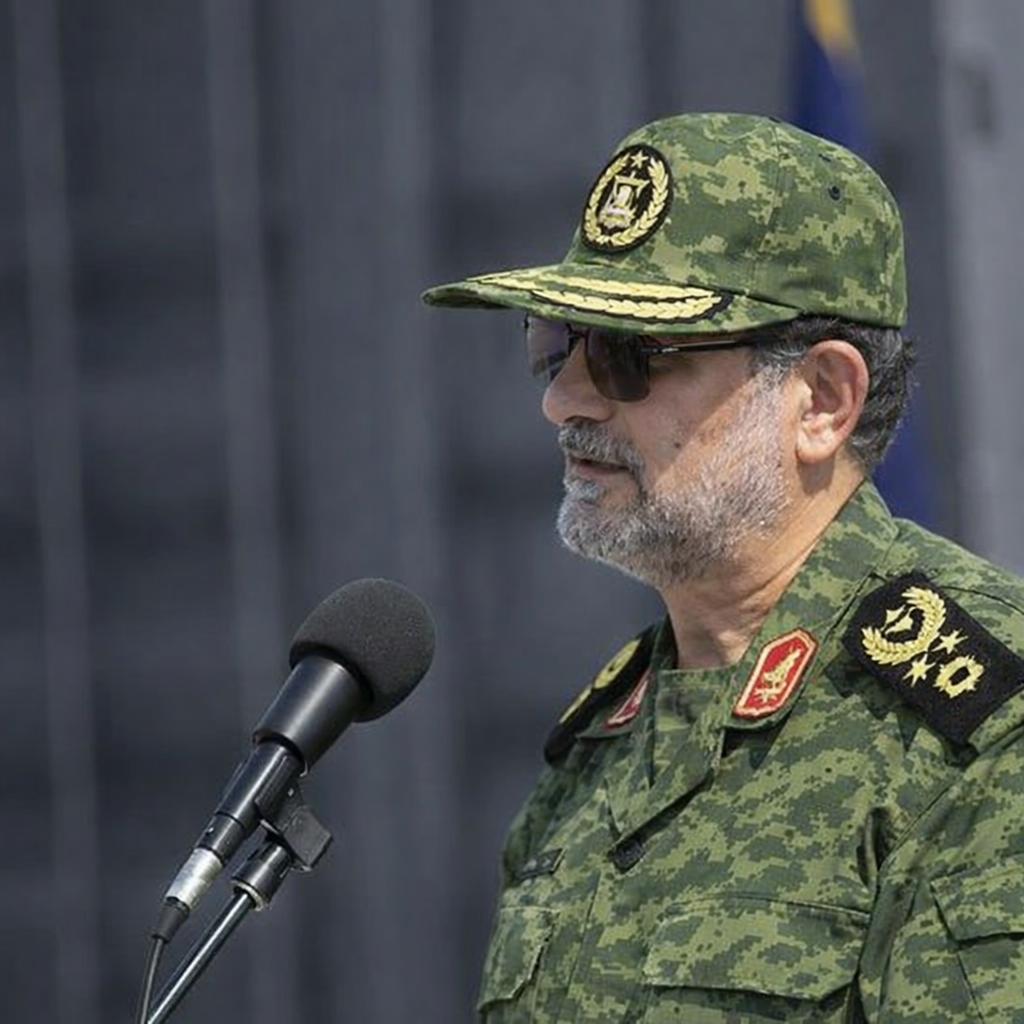
Tangsiri, 64, was one of Iran’s most senior military figures. As head of the IRGC Navy, he commanded the forces responsible for securing the Strait of Hormuz — the narrow waterway through which approximately 20% of the world’s oil passes. His death represents a significant operational blow to Iran’s ability to project naval power and threaten maritime traffic in the Gulf.
Under his command, the IRGC Navy was known for its aggressive tactics: harassing commercial vessels, seizing tankers, and conducting provocative maneuvers near American warships. His loss will likely disrupt these operations at a time when Iran’s military command structure is already reeling.
A Chain of Command in Crisis
Tangsiri’s death comes exactly one month after US and Israeli strikes killed Supreme Leader Ayatollah Ali Khamenei and several other senior IRGC commanders on February 28. The back-to-back losses have decapitated Iran’s military leadership in ways not seen since the 1980s.
The IRGC statement announcing Tangsiri’s death was notable for its defiance. “Each of our combatants is a Tangsiri,” the statement read, suggesting the organization will continue his mission despite his absence.
But the question hanging over Tehran is whether such rhetoric can compensate for the loss of a commander who spent decades building the naval forces that are Iran’s primary tool for asymmetric warfare in the Gulf.
What Comes Next
The confirmation of Tangsiri’s death comes as the US has moved additional naval assets into the region. The Pentagon announced earlier this month the deployment of the USS Abraham Lincoln carrier strike group to the Gulf “in response to heightened tensions”.
For Israel, the elimination of Tangsiri is a significant achievement in its stated goal of degrading Iran’s ability to threaten maritime shipping. For Iran, it is another wound in a month that has seen its leadership shattered.
The IRGC’s vow to continue fighting “until the complete defeat of the enemy” suggests that retaliation — whether through proxies, missile attacks, or naval harassment — is likely. But with its top commanders dead and its Supreme Leader gone, the question is no longer whether Iran will respond, but whether it still can.