• Home
  • News
  • Entertainment
  • Tech
  • Fashion & Lifestyle
  • Food & Nutrition
  • Health
Federal Character
No Result
View All Result
Federal Character
  • Home
  • News
  • Entertainment
  • Tech
  • Fashion & Lifestyle
  • Food & Nutrition
  • Health
No Result
View All Result
Federal Character
No Result
View All Result
One Year On, Israel’s Strike on Nasrallah Still Haunts Hezbollah

One Year On, Israel’s Strike on Nasrallah Still Haunts Hezbollah

Eriki Joan UgunushebyEriki Joan Ugunushe
7 months ago
in Government
Reading Time: 3 mins read
A A
0
Facebook ShareWhatsapp ShareX Share

One year has passed since Israel’s bunker-busting strike killed Hassan Nasrallah, the man who shaped Hezbollah into a regional force. Yet the shadow of that night in September 2024 still looms large. The group that once dictated Lebanon’s politics and projected Iranian power across the Middle East is now weaker, bruised, and struggling to recover its lost grip. One year on, Israel’s strike on Nasrallah still haunts Hezbollah, not just militarily but also politically and emotionally.

Table of Contents

Toggle
  • The End of an Era
  • Hezbollah’s Shattered Image
  • The Commemoration and the Anger
  • Israel’s Message Was Clear
  • A Future in Doubt

The End of an Era

Nasrallah was not just another leader. For more than three decades, he was the voice and the face of Hezbollah. His fiery speeches defined the group’s defiance against Israel, and his survival through countless wars made him a symbol of resilience to many Arabs.
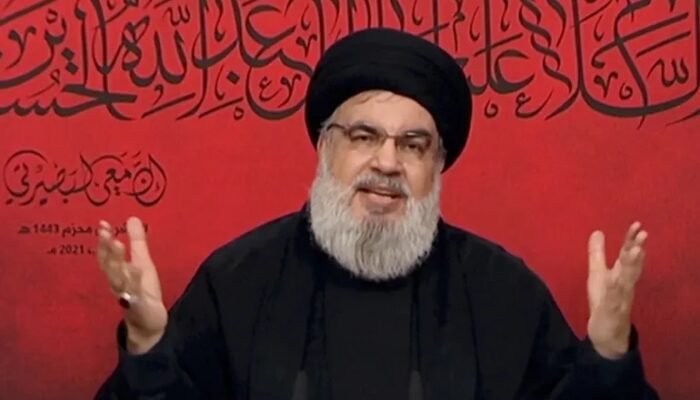
One Year On, Israel’s Strike on Nasrallah Still Haunts Hezbollah

His successor, Hashem Safieddine, didn’t last long either. Within weeks, he too was killed. The leadership vacuum cracked open Hezbollah’s aura of invincibility. By December, even Bashar al-Assad, the group’s long-time ally in Syria, had been toppled. Suddenly, Hezbollah’s carefully built regional network looked fragile.

Hezbollah’s Shattered Image

For years, Hezbollah enjoyed the reputation of being Lebanon’s strongest actor, stronger than the army, more respected than many politicians. That image is now in tatters. The war that followed Nasrallah’s death devastated Lebanese cities, killed thousands, and left the group overstretched. Even its supporters, once fiercely loyal, now feel the heavy cost.

The haunting part is not just the lives lost or the destruction left behind. It is the realisation that Hezbollah may never return to its peak power. Israel’s strike didn’t just eliminate a leader; it exposed vulnerabilities the group had spent decades hiding.

The Commemoration and the Anger

This week, Hezbollah is marking the one-year anniversary with rallies and tributes. Crowds are gathering at Nasrallah’s grave, and Secretary-General Naim Qassem will deliver a speech meant to remind followers that the struggle continues. Yet, the mood is not entirely victorious.

Tensions are already high. The decision to project Nasrallah’s face onto Beirut’s iconic coastal rocks defied government orders and reignited anger among opponents who accuse Hezbollah of holding the country hostage. What was meant as a tribute turned into another symbol of the group’s stubborn defiance and its refusal to compromise.

Israel’s Message Was Clear

The Israeli strike that killed Nasrallah was not just about one man. It was a message: no leader, however powerful, is beyond reach. By removing both Nasrallah and his heir, Israel shifted the balance in a way bombs alone rarely do. The psychological impact has lingered far longer than the rubble.

Even with a truce in place, Israeli strikes in Lebanon have not stopped. Each fresh attack reminds Hezbollah that the threat is constant, and that its enemies can strike when and where they choose. For an organisation built on the promise of strength and deterrence, this reality is devastating.

A Future in Doubt

One year on, Israel’s strike has left more than physical scars. It has shaken Hezbollah’s identity, its myth of resistance, and its claim to being Lebanon’s ultimate shield.

What remains is a weakened force trying to look unbroken, haunted by a strike that changed everything. And as crowds gather to chant Nasrallah’s name, the silence beneath the noise is telling: the man is gone, and Hezbollah has not yet figured out how to move forward.

Tags: federal characterForeign NewsgovernmentHezbollahIsraelNasrallahNewsstrike
Share234SendTweet146
Eriki Joan Ugunushe

Eriki Joan Ugunushe

Eriki Joan Ugunushe is a dedicated news writer and an aspiring entertainment and media lawyer. Graduated from the University of Ibadan, she combines her legal acumen with a passion for writing to craft compelling news stories.Eriki's commitment to effective communication shines through her participation in the Jobberman soft skills training, where she honed her abilities to overcome communication barriers, embrace the email culture, and provide and receive constructive feedback. She has also nurtured her creativity skills, understanding how creativity fosters critical thinking—a valuable asset in both writing and law.

Related Stories

Middle Finger To The U.S. - Ukraine Signs 10-Year Defense Deal With Middle East Countries

Middle Finger To The U.S. – Ukraine Signs 10-Year Defense Deal With Middle East Countries

byEriki Joan Ugunushe
0

In a move that highlights the shifting alliances of 2026, President Volodymyr Zelensky has bypassed the United States to sign decade-long defense export contracts with the Gulf's most...

Why the EU is Blacklisting Every Official Linked to the Hormuz Shutdown

Why the EU is Blacklisting Every Official Linked to the Hormuz Shutdown

byEriki Joan Ugunushe
0

The European Union is preparing to drop its diplomatic shield and join the economic offensive against Tehran, according to sources in Brussels and Paris. A political agreement has...

US Seizes Iranian Cargo Ship — Is the Mideast Ceasefire About to Die?

US Seizes Iranian Cargo Ship — Is the Mideast Ceasefire About to Die?

bySomto Nwanolue
0

The ceasefire was already fragile. Now it may be shattered. Concerns grew on Monday that the ceasefire between the United States and Iran might not hold after the...

Despite the Blockade, Over 20 Ships Made It Through Hormuz. Here's What Happened

Despite the Blockade, Over 20 Ships Made It Through Hormuz. Here’s What Happened

bySomto Nwanolue
0

The blockade was supposed to stop them. The Iranian military had declared the waterway closed. US warships were patrolling the exit. Yet on Saturday, more than 20 vessels...

Next Post
US Signals Iran Oil Sanction Relief—Could India Be the Biggest Winner?

Ukraine Burns Russian Oil Profits Funding the War

Leave a Reply Cancel reply

Your email address will not be published. Required fields are marked *

We bring to you precise and factual news

Recent Posts

  • Middle Finger To The U.S. – Ukraine Signs 10-Year Defense Deal With Middle East Countries
  • Naira Stalls Despite Stability as Dollar, Euro, Pound Maintain Grip
  • Why the EU is Blacklisting Every Official Linked to the Hormuz Shutdown

Categories

  • Business & Finance
  • Entertainment
  • Fashion & Lifestyle
  • Food & Nutrition
  • Government
  • Health
  • News
  • Politics
  • Sports
  • Tech

Weekly Newsletter

  • About
  • Advertise With Us
  • Cookie Policy

Copyright © FederalCharacter.com 2026 .

Welcome Back!

Login to your account below

Forgotten Password?

Retrieve your password

Please enter your username or email address to reset your password.

Log In
No Result
View All Result
  • Home
  • News
  • Entertainment
  • Tech
  • Fashion & Lifestyle
  • Food & Nutrition
  • Health

Copyright © FederalCharacter.com 2026 .