
Twelve Republican state attorneys general have begun efforts to revive President Donald Trump’s proposed restrictions on mail-in voting ahead of the 2028 US presidential election, despite the conclusion of this year’s midterm polls.
The officials on Thursday initiated an appeal against a September decision by US District Judge Carl Nichols, who blocked the United States Postal Service from implementing a new rule introduced in response to an executive order by Trump.
The Republican attorneys general represent Alabama, Florida, Indiana, Kansas, Louisiana, Missouri, Montana, Nebraska, Oklahoma, South Carolina, South Dakota and Texas.
However, uncertainty surrounds the duration of the legal challenge, as Democrats recorded victories across several states in the midterm elections. In Texas and Kansas, Democratic candidates are expected to assume control of the attorneys general’s offices in January.
In September, the Supreme Court declined to suspend a similar ruling issued by US District Judge Indira Talwani in Boston. Her decision prevented the USPS from proceeding with its revised regulations for federal election mail, although the restriction covered only the 2026 midterm elections.
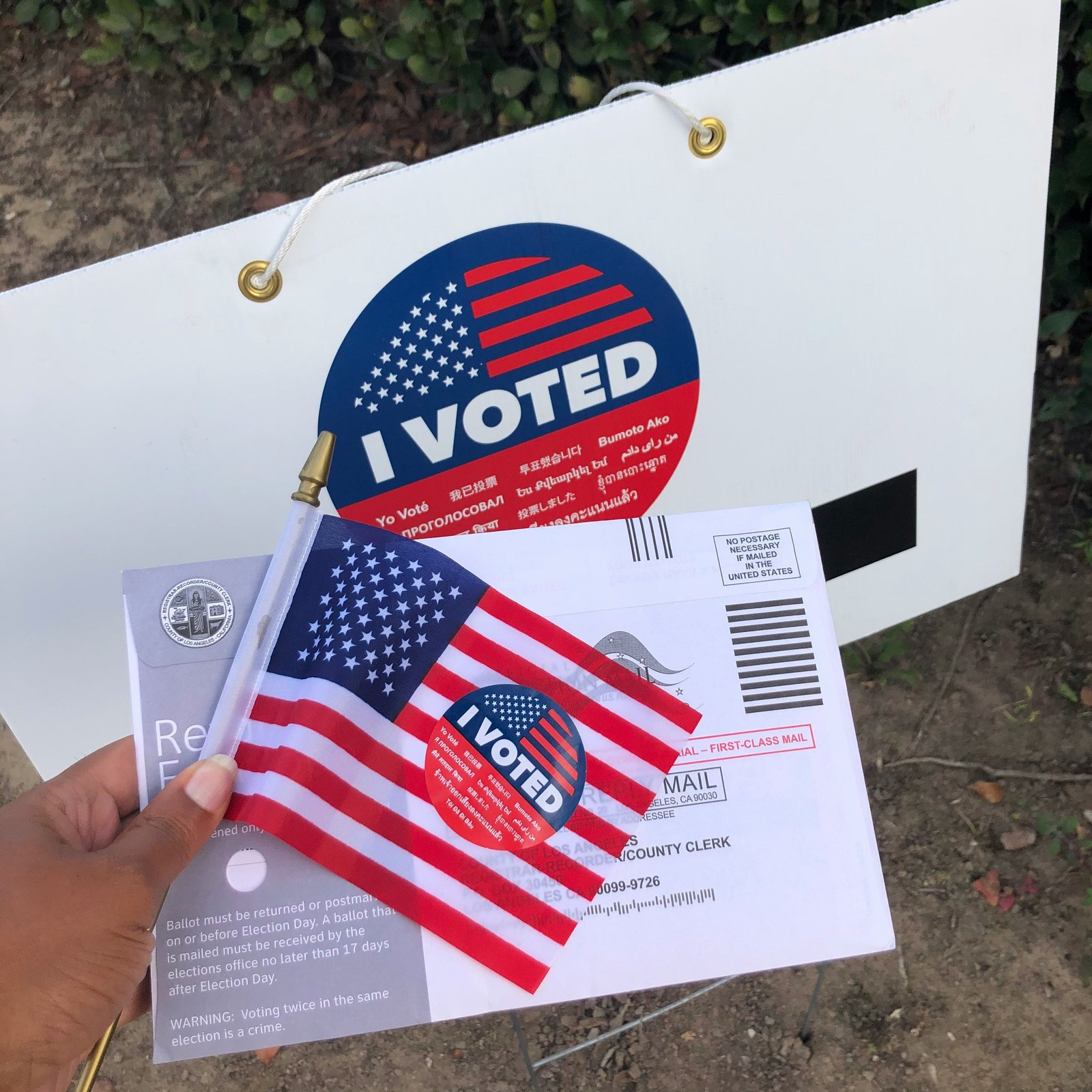
Nichols’ preliminary injunction, on the other hand, prevents the postal agency from enforcing the proposed policy in all federal elections, including the 2028 contest.
The Trump administration has not joined the latest appeal. In a court filing, Justice Department lawyers confirmed that the government would not challenge Nichols’ ruling, with Thursday marking the deadline for filing an appeal.
The proposed regulation, published by the Postal Service in late August, would have required states to submit lists containing voters’ names and addresses before their election mail could be delivered through the agency.
Nichols, who sits in Washington, DC, and was nominated to the bench by Trump, ruled that the USPS likely lacked the legal authority to impose such a condition on states.
In his ruling, he wrote, “As the Government concedes, the Postal Service could issue (and enforce) the Rule only if Congress gave it the authority to do so, but here no statute grants the Postal Service the power to issue key parts of the Rule.”
The administration’s attempt to introduce the restrictions ahead of the midterm elections had drawn concerns from election officials, who warned that changes made close to election day could disrupt voting arrangements for millions of Americans who rely on postal ballots.
Officials also feared that people living with disabilities and residents of areas without polling stations could face difficulties exercising their voting rights if the proposed requirements took effect.
A whistleblower report further raised concerns about the online platform election officials would have been required to use to comply with the revised USPS regulations. According to the report, the system had not undergone adequate testing and could have prevented eligible voters from receiving their mail-in ballots on time or altogether.
Although the Supreme Court ultimately prevented the Postal Service from implementing the rule for the midterms, Justices Samuel Alito and Clarence Thomas disagreed with the decision.
Another conservative justice, Brett Kavanaugh, supported the outcome in a concurring opinion, arguing that state and local election officials had insufficient time to “reasonably implement the rule” before the midterm elections.
However, Kavanaugh also observed that “there is at least a fair prospect that the final rule falls within the Postal Service’s statutory authority.”