The Trump administration credits its fraud control efforts for the disappearance of millions of people from Obamacare rolls. But policy experts say the real culprit is a sharp rise in premiums — and that many more Americans now find themselves without health insurance.
Enrollment in Affordable Care Act plans fell by nearly 3 million this year to about 19.2 million, following steep premium increases by insurers and the Republican-led Congress’s unwillingness to extend more generous premium subsidies. On average, ACA customers pay $178 a month in premium payments this year, a 58% increase from 2025, according to KFF. Deductibles have climbed 37% to nearly $3,800 a year.
“These are real people who are now forced to make impossible choices,” said Annalyse Keller, a spokesperson for Keep Americans Covered, a large coalition of lobby organizations for the healthcare industry.
The Administration’s Argument
A Department of Health and Human Services report released in June, written mostly by President Trump’s political appointees, asserts that 5.6 million people were fraudulently enrolled in ACA plans in 2025, and that the Trump administration removed 2.9 million of them — the same number as the 2026 drop in enrollment.
There is little dispute that the ACA suffers from some fraud, as do most government programs. The administration said it has taken actions to tighten the enrollment process to thwart brokers who fraudulently enroll people without their knowledge.
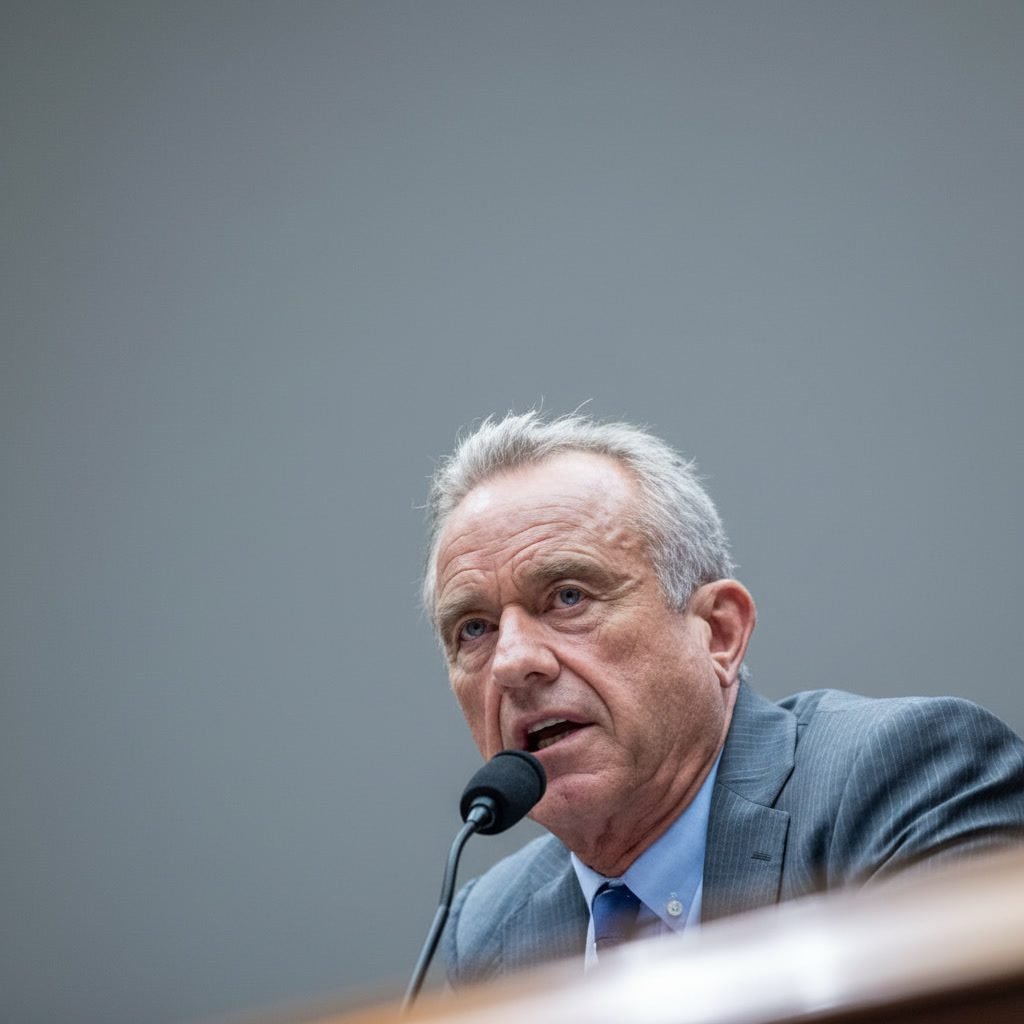
In a video HHS released June 27, HHS Secretary Robert F. Kennedy Jr. patted Mehmet Oz, the head of the Centers for Medicare & Medicaid Services, on the back for the number of canceled ACA plans so far. Oz threatened potential ACA hucksters: “Don’t walk away from us, run! Because we are going to find you.”
The Counterargument
But health policy experts say the administration is overstating the extent of ACA fraud and that the HHS report relies on debatable assumptions, such as that all sign-ups under the year-round enrollment program for low-income people were potentially fraudulent. ACA enrollment fell off a cliff because of escalating prices for insurance plans, policy analysts say, which the administration has done nothing to stem.
“The top-level claim that all the decline in enrollment since 2025 is because of improper or fraudulent enrollees leaving the market is not remotely credible,” said Matthew Fiedler, a senior fellow at the Brookings Institution. “We know that lots of people have seen higher premiums, and there’s really good evidence that when premiums go up, people drop coverage.”
The Politics of Healthcare
Healthcare costs are a big concern for voters ahead of November’s midterm elections. A recent KFF poll found that voters trust Democrats over Republicans to address healthcare costs (37% vs. 26%). The poll also found that 55% of Republican voters consider it extremely important for candidates to address healthcare fraud, more than any other issue, showing that the White House’s effort to shift focus from costs has had some success with its own supporters.
But Jonathan Oberlander, a professor of health policy and management at the University of North Carolina, questioned whether the fraud narrative will hold up as voters continue to struggle with rising costs. “It will be cold comfort to the very real persons who could no longer afford coverage and dropped their plans,” he said in an email to KFF Health News.
How We Got Here
Under President Joe Biden, Congress passed a law that included more generous tax subsidies for people enrolled in Obamacare, starting in 2021. Those enhanced subsidies lowered premium payments, with millions qualifying for a large enough tax credit to reduce their monthly payment to zero. ACA coverage essentially doubled, from just over 11 million Americans in 2021 to more than 22 million in 2025.
Republicans and conservative groups argue that the growth wasn’t driven only by people newly enrolling because of lower premiums. Instead, they say, the enhanced subsidies, along with other Biden-era policies — including easing income verification requirements — invited fraud. Unscrupulous brokers found it easier to sign people up for coverage without their knowledge.
The Administration’s Next Steps
CMS told insurers that the agency will send them files for ACA accounts it believes are potentially unauthorized. Each flagged consumer account will have used a sales broker to enroll, be in a zero-premium plan, and lack a Social Security or immigration documentation number — which Kennedy said is a glaring sign of fraud.
Insurers must try to contact enrollees to verify they signed up for coverage. After 60 days, insurers must report policies they were unable to verify to CMS, which will cancel them.
Policy experts note that the absence of a Social Security number doesn’t automatically prove fraud. While it could indicate a fake enrollee, a missing Social Security number might also be a simple oversight by the consumer or their broker.
The Bottom Line
The Trump administration credits its fraud crackdown for the nearly 3 million drop in ACA enrollment. But policy analysts say rising premiums — up 58% this year — are the real driver, not fraud. The HHS report asserts 5.6 million people were fraudulently enrolled in 2025, but experts question its assumptions. Democrats and Republicans are using the issue to appeal to voters ahead of the midterms. CMS is moving to verify suspicious enrollments and cancel unverified policies.