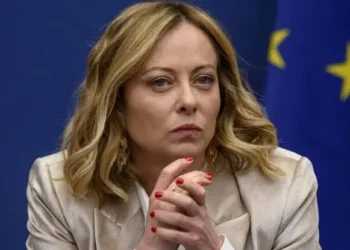

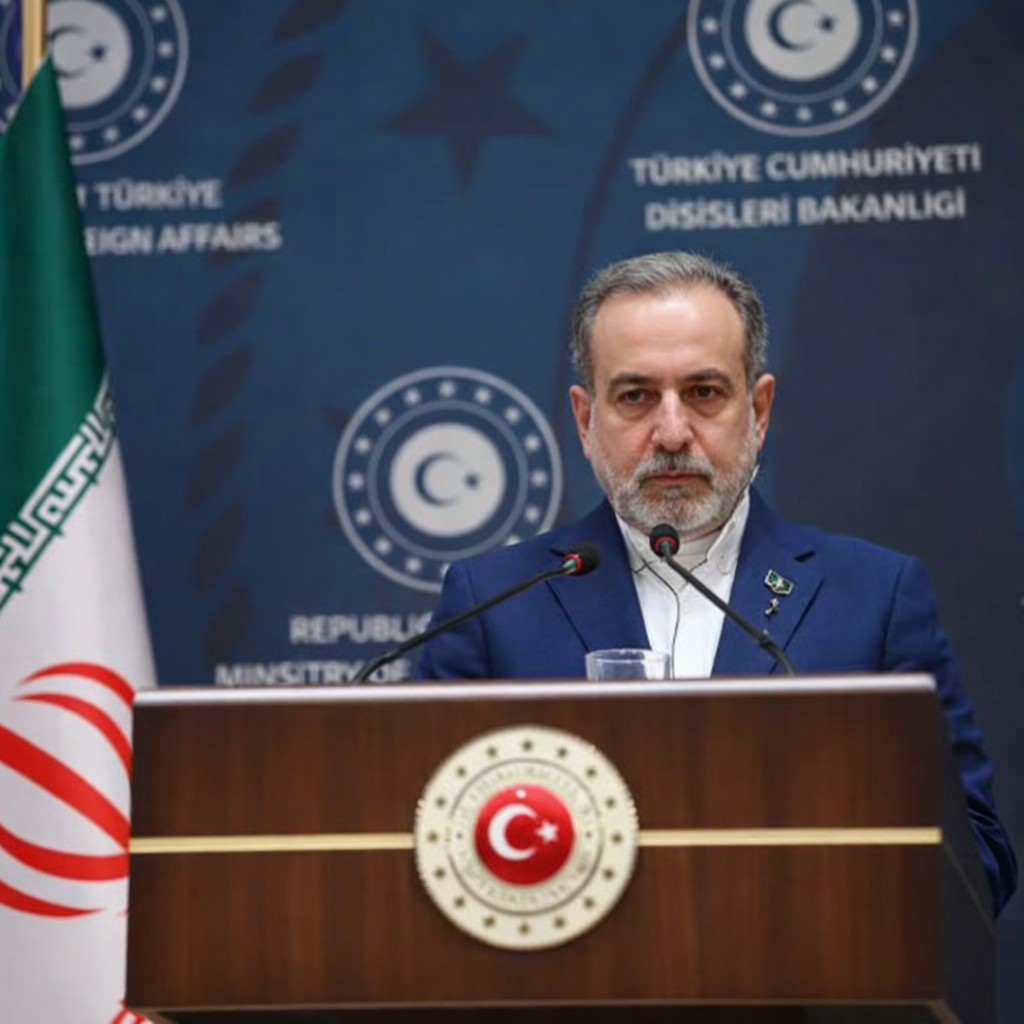
Russia warns as U.S. tightens its military grip on Iran, a situation now drawing global attention as tensions continue to rise across the Middle East. The latest developments have revived concerns about whether diplomacy can still hold, or if the standoff is drifting toward another military confrontation.
Russia Raises Alarm Over Growing Tensions
Russia issued a strong warning about what it described as an “unprecedented escalation of tension” surrounding Iran. The Kremlin urged restraint from all sides as the United States continues its military build-up in the region.
The warning reflects mounting unease over the pace and scale of recent deployments, with Moscow signalling that the situation risks becoming more volatile.
U.S. Expands Military Presence
The United States has increased its military footprint, sending aircraft carriers, warships, and fighter jets into the region.
U.S. President Donald Trump has repeatedly threatened military action against Iran unless an agreement is reached over Tehran’s nuclear programme. A senior American official said the build-up is expected to be completed by mid-March.
These movements have intensified speculation about Washington’s next steps.
Nuclear Talks Still Fragile
Recent diplomatic contacts have not fully eased concerns.
Iranian and U.S. negotiators met earlier this week. Iran’s Foreign Minister Abbas Araqchi said both sides agreed on “guiding principles.” However, the White House indicated that key differences remain unresolved.
Iran is expected to submit a written proposal addressing U.S. concerns, according to a senior American official.
Core Disputes Remain
At the centre of the dispute is Iran’s nuclear programme.
Washington suspects Tehran of pursuing capabilities that could lead to a nuclear weapon. The United States is pushing for Iran to abandon uranium enrichment entirely and halt its long-range ballistic missile programme.
Iran denies seeking a nuclear bomb, insisting its atomic programme is peaceful. Tehran has also rejected discussions beyond nuclear matters, calling restrictions on its missile arsenal a red line.
Military Activity Increases
Military signals from both sides have become more visible.
Satellite images have tracked Iranian efforts to repair and reinforce nuclear and missile sites. At the same time, U.S. military preparations at bases across the Middle East have drawn attention.
Iran has also expanded its naval drills, with Russian forces joining planned exercises in the Gulf of Oman, a key global energy route.
Oil Markets React
Energy markets have responded quickly.
Oil prices have risen amid fears that renewed conflict or fresh attacks could disrupt supplies. The Gulf of Oman remains a critical passage for global energy shipments, making any instability there particularly sensitive.
International Concern Grows
The rising tensions have triggered reactions beyond the region.
Poland urged its citizens to leave Iran, citing security concerns. Officials warned that evacuation windows could narrow rapidly if conditions worsen.
Such advisories underscore growing anxiety among governments monitoring the situation.
Memories of Previous Strikes
The current standoff unfolds against the backdrop of earlier military actions.
The United States and Israel bombed Iranian nuclear facilities and military sites last June. That episode continues to shape the strategic calculations of all parties involved.
Uncertain Path Ahead
Russia warns as U.S. tightens its military grip on Iran, but whether the crisis moves toward negotiation or confrontation remains unclear.
With military deployments increasing, diplomatic gaps unresolved, and global markets reacting, the situation continues to evolve. For now, the balance between pressure and diplomacy will likely determine what comes next.