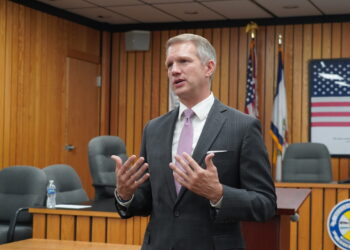

Europe faces a serious threat from Russia, and the warning from NATO’s top leadership is loud and clear, allies are being urged to act fast, because complacency could have devastating consequences, Mark Rutte highlighted that Russia may be ready to use military force against NATO within the next five years, and without urgent preparation, the continent could face a conflict on a scale not seen since the World Wars.
Urgency in Europe
Rutte’s speech in Berlin stressed that many nations underestimate the immediacy of the threat. Defence budgets and military production must increase quickly if NATO hopes to deter Russia. Delays or half-hearted measures could leave Europe vulnerable, and Rutte pointed out that waiting too long is a dangerous gamble.
Learning from history
The reference to wars endured by past generations is not just rhetoric. Europe has seen what under-preparedness can cost, and the warning is clear: strategic complacency is dangerous. Russia’s military expansion and aggressive posture make it essential for NATO members to strengthen cooperation, invest in defence technology, and maintain readiness.
Threat timeline
Russia’s potential use of force within five years means planning must start immediately. Rutte’s call is a reminder that strategic foresight is required. Military infrastructure, troop training, intelligence sharing, and stockpiling equipment cannot be postponed without risk.
The need for unity
Rutte also emphasized the importance of collective action. NATO’s strength comes from unity, but some members have been slow to commit resources or see the urgency. If this continues, the alliance’s deterrent power weakens, giving Russia a window to exploit. Europe cannot afford divided responses or delays in implementation.
Consequences of inaction
Failure to act could lead to widespread destruction, economic disruption, and loss of life on a massive scale. Rutte’s warning is a reminder that preparation is not optional; it is a necessity. Strategic investments today in defence and alliance coordination could prevent catastrophic consequences tomorrow.
Moving forward
The speech is a call for immediate, coordinated action. Nations must raise defence budgets, accelerate production, and enhance readiness. Public awareness and political commitment are equally critical. NATO cannot rely on assumptions about Russia’s intentions, it must prepare for the worst while hoping for peace.
Final thoughts
Europe is at a critical moment. The warnings about Russia’s potential aggression are serious, and the time for hesitation is gone. Allies must act decisively to protect the continent, avoid devastating conflict, and ensure that history’s lessons guide current policy. The clock is ticking, and only rapid, unified action can keep Europe safe.