
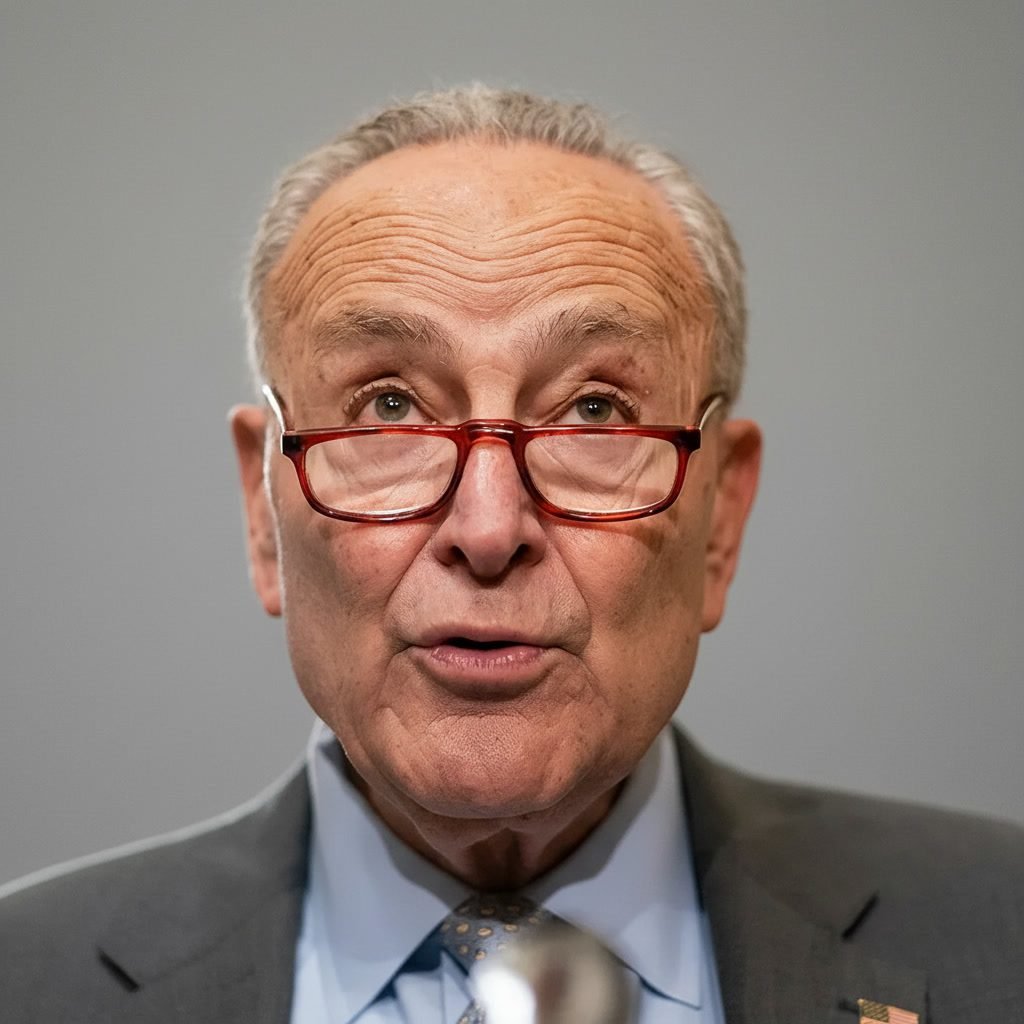
Democratic Senate leader Chuck Schumer is approaching a pivotal midterm election that could determine the future of his leadership, following calls from some members of his party for him to step aside and allow a new generation to take over.
Schumer, who has led Senate Democrats for a decade, has experienced both victories and setbacks in the battle for control of the chamber. However, this year’s elections could carry greater personal significance as his colleagues assess his leadership and the party’s prospects.
The New York senator has been involved in overseeing Democratic Senate campaign efforts for nearly two decades, either directly or indirectly. For now, he appears to have regained the confidence of many members of his caucus as Democrats look to gain seats despite an electoral map that favours Republicans.
Schumer’s allies say his standing within the party has improved considerably compared with last year, when Democrats were still struggling to recover from significant election defeats.
One of the most difficult periods for the Senate leader came in the spring of 2025, when Democratic supporters criticised him for voting to keep President Donald Trump’s government funded and open.
The decision triggered anger among sections of the party’s base and raised questions about his ability to maintain support from Democrats who wanted a stronger opposition to Trump’s administration.
However, interviews conducted in recent weeks with more than a dozen Democratic senators suggest that Schumer has since rebuilt much of his political standing within the caucus.
Several colleagues believe he would have little difficulty securing the support needed to remain leader if Democrats make gains in the midterm elections.
The party is expected to hold its internal leadership election shortly after Election Day, potentially during the following week. The contest would determine who leads Senate Democrats into the next phase of the congressional session.
Should Democrats win control of the Senate, a prospect previously considered unlikely, Schumer’s position would be even more secure, according to several lawmakers.
Both Democrats and Republicans choose their Senate leaders through secret ballots, allowing senators to vote without publicly disclosing their choices.
Despite the apparent recovery in Schumer’s standing, his future is not assured. No Democrat has formally emerged to challenge him, but an unexpectedly poor electoral performance could reignite calls for new leadership.
Some Democratic candidates have also publicly stated that they would not support Schumer, while others have declined to commit to backing him.
The outcome of the midterm elections could therefore shape not only the balance of power in the Senate but also the direction of the Democratic Party’s leadership.
For Schumer, the election represents an opportunity to consolidate the confidence he has regained among colleagues. However, the extent of Democratic gains or losses could prove decisive in determining whether he remains at the helm of the Senate caucus.