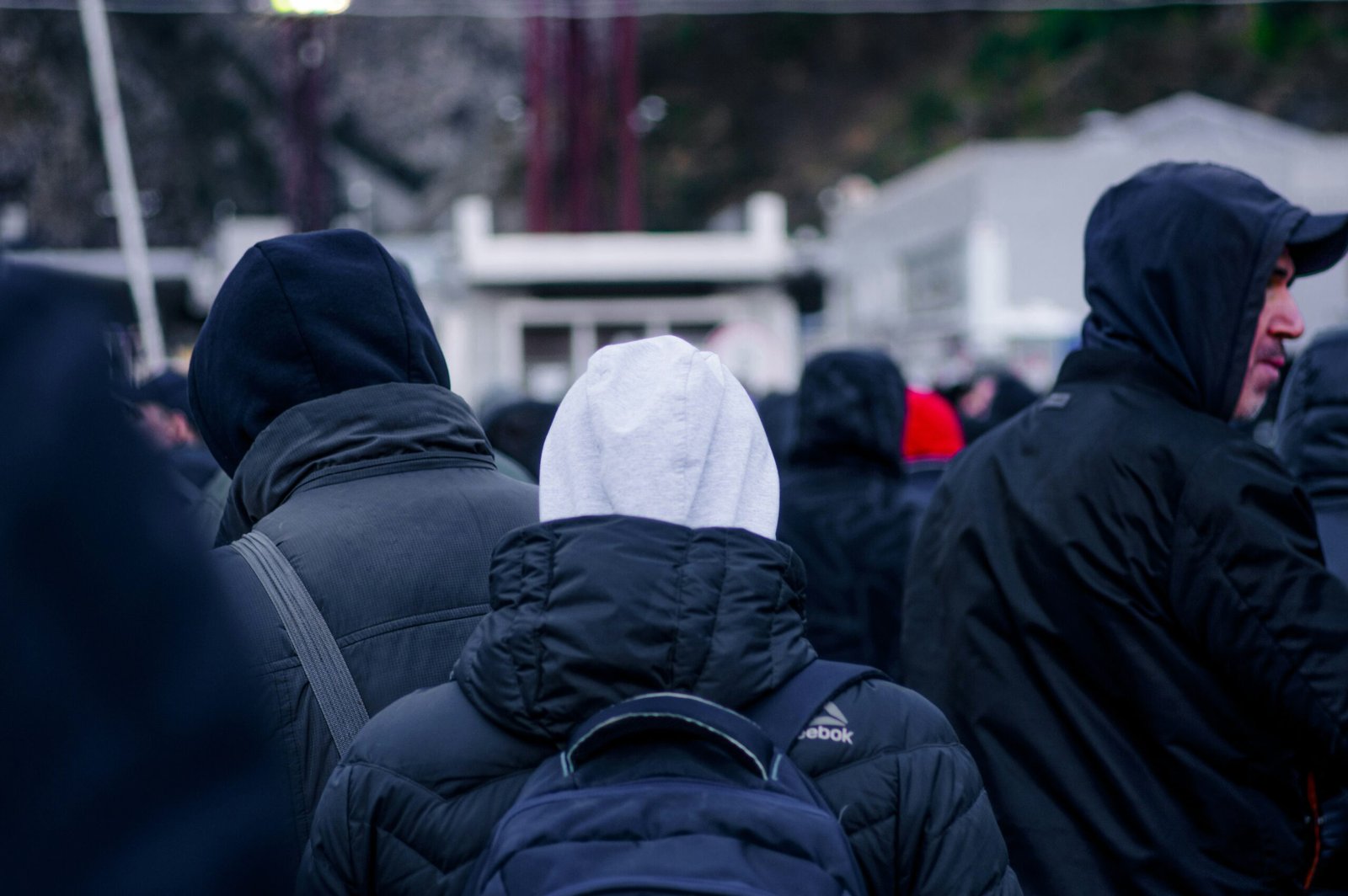

For years, the United States presented itself as a refuge for the persecuted. A place where those fleeing harm could find safety. A nation built on the promise of asylum for those who feared returning home.
That promise just became much harder to reach.
Applicants for visas to the United States will now have to affirm that they do not fear persecution in their home countries as the Trump administration seeks to further restrict potential asylum seekers from entering the country. The new rule, outlined in a diplomatic cable to all embassies and consulates this week, comes amid a sweeping shift in policies that have upended and restricted immigration to the US.
The directive is simple and harsh: say you fear persecution, and you will not get a visa.
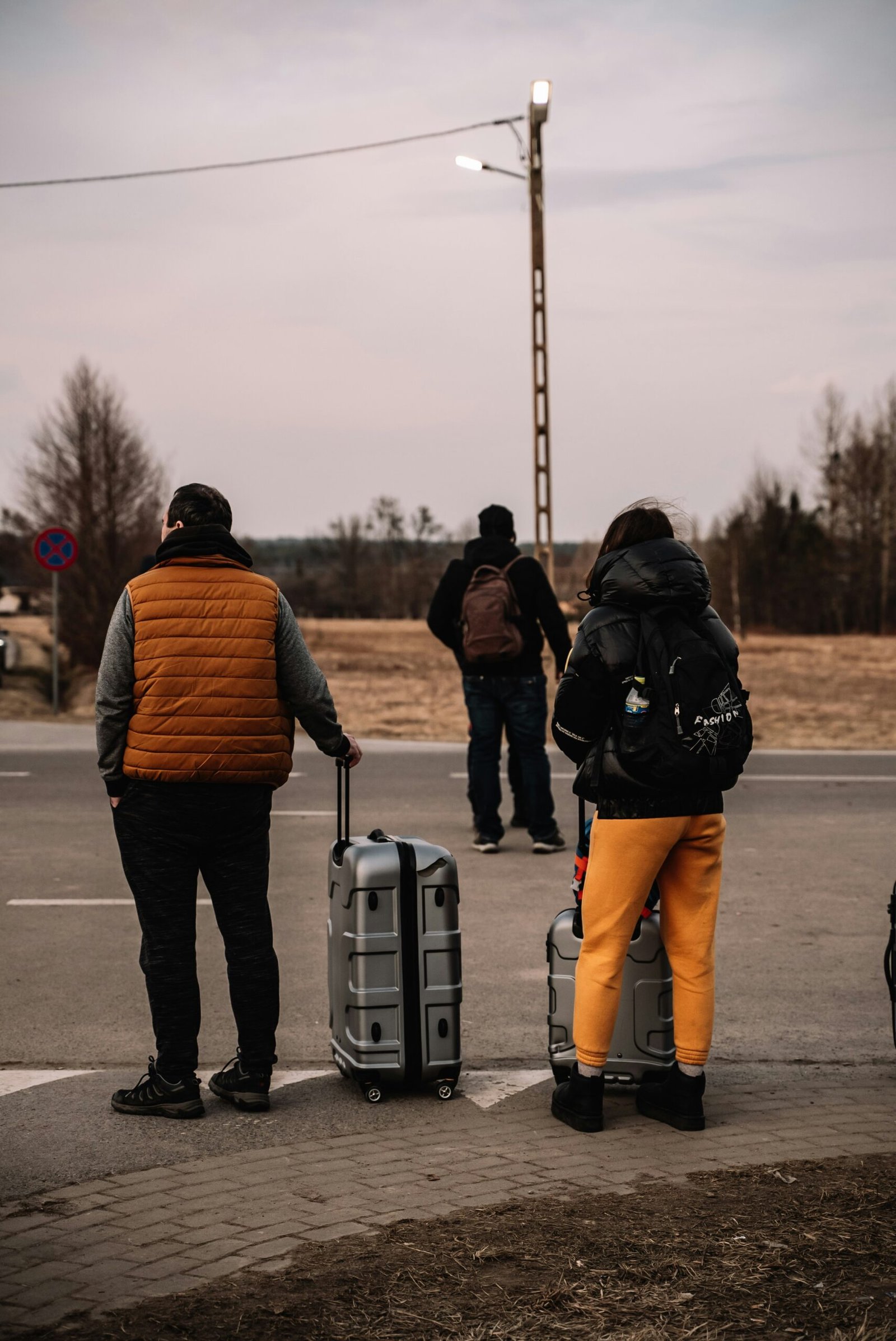
The New Questions
The cable instructs consular officers to ask nonimmigrant visa applicants two specific questions. First:
“Have you experienced harm or mistreatment in your country of nationality or last habitual residence?” Second: “Do you fear harm or mistreatment in returning to your country of nationality or permanent residence?”
The instruction leaves no room for interpretation. “Visa applicants must respond verbally with a ‘no’ to both questions for the consular officer to continue with visa issuance,” the cable states.
A “yes” to either question ends the visa process. The applicant is denied. The door closes.
The rule applies to those applying for nonimmigrant visas, which include tourists, students, and temporary workers. In January, the US suspended immigrant visa processing for 75 countries. That suspension targeted specific nations. This new rule targets specific claims. The effect is the same: fewer people get in.
The Rationale
A State Department spokesperson said, “Consular officers are the first line of defense for US national security,” and noted the department “uses all available tools and resources to determine whether each visa applicant qualifies under US law.”
The cable itself states that consular officers “must prevent abuse of the immigration system by visa applicants who misrepresent their purpose of travel, including those who attempt to obtain nonimmigrant visas for the purpose of claiming asylum upon arrival in the United States.”
The administration’s position is clear: it believes some applicants are using non-immigrant visas as a backdoor to asylum claims. Instead of addressing that concern through individual case reviews, the new rule simply bars anyone who expresses fear from obtaining a visa at all.
The administration had already increased vetting for student visa applicants and temporarily paused decisions on immigration applications to ensure they meet the newly rolled out security check guidance. This latest move goes further. It does not just increase scrutiny. It presumes bad faith.
The Asylum Paradox
In order to seek asylum, a person must be physically present in the US and be fleeing political, racial, or religious persecution in their home country. The new rule effectively prevents many of those people from ever reaching US soil. If you cannot get a visa because you express fear, you cannot travel to the US. If you cannot travel to the US, you cannot apply for asylum. The asylum process remains technically available. In practice, the pathway has been blocked.
Camille Mackler, an immigration policy consultant, told CNN that the new directive “is going to put people in really bad, terrible positions of having to make choices that ultimately affect their and their family’s safety.” She added, “I also think this pushes people to unsafe pathways and unsafe routes, because if you need to leave, you leave, and you do whatever you need to do.”
That is the likely consequence. Desperate people will not simply stay home because the visa process has become harder. They will find other ways — irregular crossings, smuggling networks, dangerous overland routes. The new rule does not eliminate the demand for safety. It eliminates a legal pathway to obtain it.
The Broader Shift
The rule is not an isolated policy. It is part of a pattern. The Trump administration has systematically narrowed legal immigration pathways since returning to office. Student visas face increased vetting. Immigrant visa processing for 75 countries is suspended. Decisions on immigration applications are paused pending new security checks.
The diplomatic cable is the latest tool in that campaign. It targets the very act of expressing vulnerability. An applicant who tells the truth about fearing persecution is now penalized. An applicant who lies to get a visa risks future deportation or denaturalization charges. There is no safe option for someone who genuinely fears returning home.
The State Department’s framing — “prevent abuse of the immigration system” — is designed to sound reasonable. But the effect is sweeping. A system that once allowed asylum seekers to present their cases now demands that they deny their fears before they can even board a plane.
The Bottom Line
The Trump administration has issued a new rule requiring nonimmigrant visa applicants to affirm that they do not fear persecution in their home countries. Consular officers must ask two questions — whether the applicant has experienced harm or mistreatment, and whether they fear harm or mistreatment upon return — and applicants must answer “no” to both for the visa process to continue. A “yes” to either question results in denial.
The rule applies to tourists, students, and temporary workers. It follows the suspension of immigrant visa processing for 75 countries in January. The administration says the rule is necessary to prevent abuse of the asylum system. Critics say it forces vulnerable people into impossible choices or dangerous alternatives.
The United States was once a refuge for the persecuted. Now, to get a visa, you must swear you have nothing to flee from.