

Anambra State woke up to a familiar silence again on Monday, even with government pressure and official directives; the sit-at-home order still shaped the day. The streets told their own story. Shops stayed shut, roads were empty, and movement slowed to a crawl in many parts of the state.
This was not a surprise. It was more like confirmation that, in Anambra, the sit-at-home order still has power, even after years of debate, enforcement attempts, and economic losses.
A Market Reopens, But the Streets Stay Empty
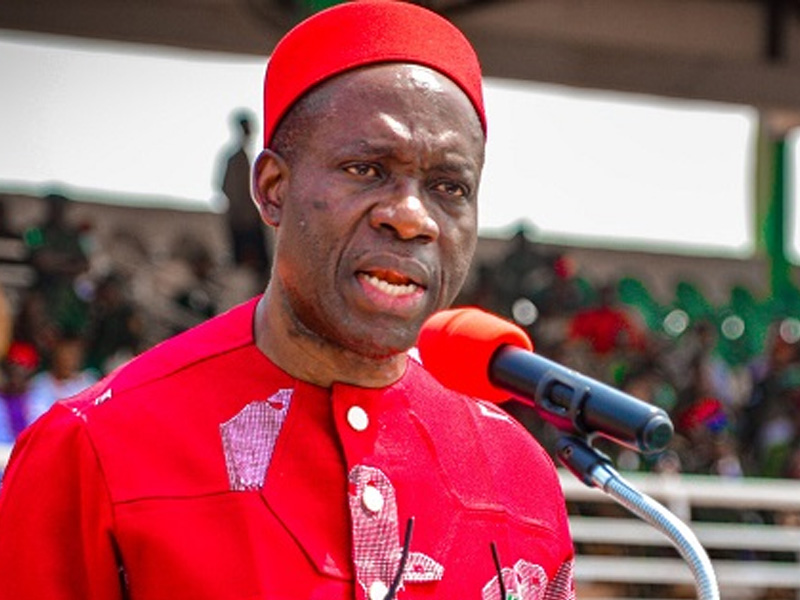
At the Onitsha Main Market, traders returned to business after a one-week shutdown. This followed a clear order from Governor Chukwuma Soludo, who had earlier closed the market when traders refused to ignore the Monday sit-at-home directive.
Inside the market, activities resumed. But outside, it was a different picture.
Major roads like Onitsha-Owerri Road, Upper Iweka, Onitsha-Awka-Enugu Road, and Onitsha-Oba-Nnewi Road were largely deserted. Banks, schools, motor parks, and filling stations did not open. Roads that are usually packed with vehicles and traders were quiet.
Fear Still Shapes Monday Life
Since August 2021, Mondays have remained uneasy in Anambra. The sit-at-home order directed by the Indigenous People of Biafra has become more than a protest tool. It has turned into a routine many residents obey, not always out of belief, but out of fear.
Residents stayed indoors. Some gathered quietly at corners and junctions to talk. But there was no real movement. No normal rush. No daily hustle.
Soludo’s Authority Meets a Hard Wall
Governor Soludo has been clear. He wants a normal economic life restored. Closing the Onitsha Main Market last week was meant to force compliance with state directives.
The reopening of the market looked like a win for the government on paper. But the empty roads suggest something else. Authority does not end at market gates. It must be felt on the streets, and right now, it is not.
This is the core problem. Government orders say one thing. Reality says another.
IPOB Claims Victory, Again
The Indigenous People of Biafra wasted no time responding. In a statement on Monday, its spokesman, Emma Powerful, praised residents for what he called “total and overwhelming compliance” with the sit-at-home order.
He described the shutdown as a historic show of unity and loyalty to Nnamdi Kanu. He said threats and intimidation have failed, and that the people had spoken with one voice across the South-East.
The language was strong, emotional, and confident. From IPOB’s point of view, Monday was proof that its influence remains solid.
Between Loyalty and Survival
For many residents, this is not about politics or statements. It is about survival. Traders lose money every Monday. Workers miss pay. Students miss school. Businesses suffer. Yet people still stay home.
That tells you something important. Fear, not agreement, is driving many of these decisions. When people believe leaving home could cost them their lives, economic sense no longer matters.
The Bigger Question Nobody Is Solving
The sit-at-home order has lasted for years now. It has damaged trust, drained the economy, and trapped residents between the state and a separatist movement.
Each Monday that Anambra shuts down sends the same message: the problem is not resolved. It is only being managed badly.
Until fear is removed from the streets and confidence is restored, sit-at-home will continue to win, no matter how many markets reopen. And on days like this, Monday, Anambra reminds everyone that silence can be louder than any government order.