China offered Somaliland more than a quarter of a billion dollars to drop its recognition of Taiwan. The breakaway African territory said no.
Getting to Somaliland was once easy for diplomats, businessmen, and tourists. Ethiopian Airlines and Fly Dubai offered direct connections. That changed just over a year ago.
While the White House celebrated Taiwan’s July 2020 decision to recognize Somaliland, China was furious. Beijing had spent decades consolidating control over Africa. Somaliland, a small breakaway territory in the Horn of Africa, refused to play along.
The Offer and the Rejection
According to both Somalilander and Taiwanese officials, the Chinese embassy in Mogadishu sought an urgent meeting with Somaliland authorities and promised more than $250 million in assistance. Somaliland held firm.
While the country is impoverished, it is also principled. Both its clan structure and vibrant democratic culture make bribery more difficult, since secrecy is harder to maintain. Exposure of any leader taking bribes would stigmatize tens of thousands through clan association.
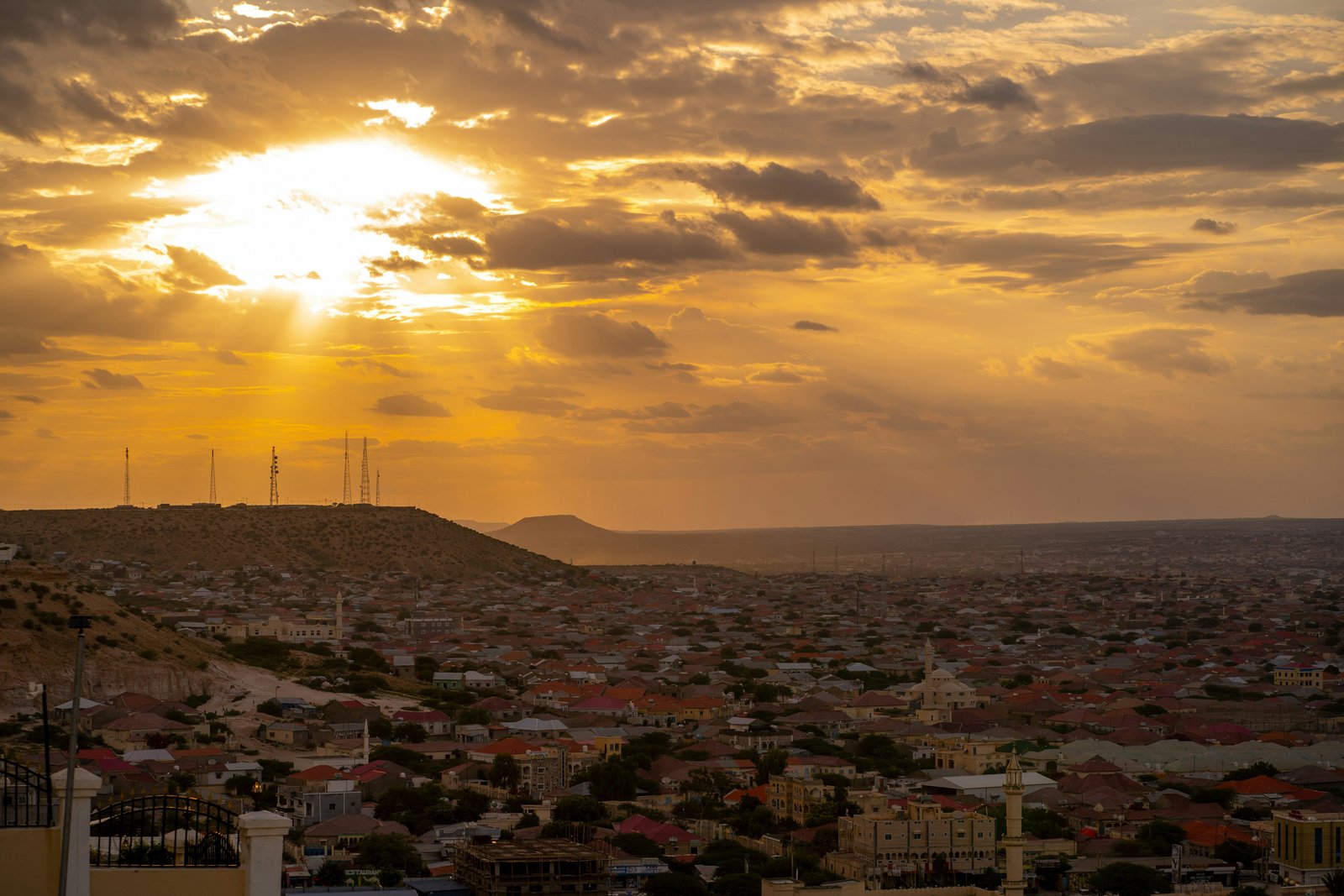
Somaliland officials also view neighboring Djibouti and Ethiopia as cautionary tales of the dangers of China’s debt-trap diplomacy.
China’s Retaliation
Unable to pry Somaliland away from Taiwan with carrots, China turned to sticks. Beijing instigated an insurgency in a far-flung Somaliland province and encouraged the Somali government to overturn a 35-year status quo.
Beginning in April 2025, China pushed Mogadishu to extend its Air Defense Identification Zone over all of Somaliland, requiring all aircraft to identify themselves for national security. Beijing also demanded denial of overflight and landing rights to aircraft carrying Taiwanese businessmen and development specialists.
The Somali government also instituted an e-visa scheme requiring anyone entering Somalia or Somaliland to first obtain a Mogadishu-issued e-visa, and subsequently outlawed Taiwanese and Israeli passports.
By October 2025, as Americans, Brits, and Israelis began visiting and investing in Somaliland, China pressured Mogadishu to ban e-visas for all “Non-Somalia-born foreigners.”
The Consequences
The airspace restrictions have made travel to Somaliland significantly more difficult. Americans, Israelis, and Taiwanese now fly into Jigjiga, a small Ethiopian town, and drive 90 minutes to the land border.
Hackers meanwhile accessed Somalia’s e-visa system and stole the data of 35,000 applicants, including their names, addresses, financial information, and photos. This poses an immediate risk to American servicemen and investors, especially given Mogadishu’s ties to China and Al-Shabaab’s infiltration of Somali security forces.
There are also military implications. With US Africa Command increasingly interested in the Berbera airfield, the State Department’s acceptance of China and Somalia’s expanded Air Defense Identification Zone could undercut American efforts to counter the Houthis or run counter-terror operations in the Horn of Africa.
The Broader Warning
What happens in Somaliland does not stay in Somaliland. China’s relative success in strangling pro-Western Somaliland provides a playbook for elsewhere.
Wedged between South Africa and Mozambique, Eswatini depends entirely on one airport. Given its neighbors’ pro-China orientation and the State Department’s unwillingness to stand up for Taiwan, Israel, and even Americans in Somaliland, strangling Eswatini is a real threat.
The danger also extends to Latin America. Paraguay’s importance grows given its location and critical mineral wealth. Like Somaliland, Paraguay unapologetically embraces Taiwan and Israel. Beijing could seek to deny flights carrying Americans or Taiwanese into Paraguay’s main airport.
The Bottom Line
Somaliland rejected China’s $250 million offer to drop its recognition of Taiwan, choosing principle over a massive financial payout. China retaliated by weaponizing airspace and visa systems, making travel to Somaliland significantly more difficult. The case serves as a warning for other countries — Eswatini, Paraguay — that maintain ties with Taiwan, as Beijing continues to use economic and diplomatic pressure to isolate them.