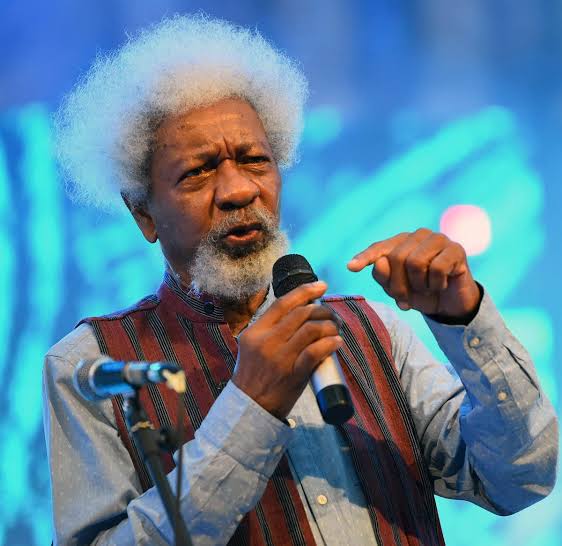

When the news broke that the United States had revoked the visa of Nobel Laureate Wole Soyinka, it stirred mixed reactions across Nigeria and beyond. While some saw it as an insult to one of Africa’s greatest minds, others considered it a long-overdue response to Soyinka’s own disregard for American laws and values. The simple truth is this: Wole Soyinka’s visa revocation was deserved.
The U.S. consulate in Lagos confirmed the decision to cancel Soyinka’s visa after inviting him for a reassessment interview, which he boldly refused to attend. The consulate cited its right to revoke a nonimmigrant visa “at any time, in its discretion.” Soyinka, however, appeared unbothered. He publicly stated that he was “content” with the decision and even described the consulate’s letter as a “curious love letter.” But beneath the humour and confidence lies a fact that cannot be ignored, this is the direct consequence of actions he took years ago.
Destroying the Green Card Was a Disrespect to America
In 2016, when Donald Trump won his first election, Soyinka made headlines not for a new book, but for a dramatic political statement. He destroyed his American green card, a document that signifies permanent residency and the right to live and work in the United States. For context, that green card was not just a piece of paper, it was property issued by the United States government. Destroying it publicly was, in essence, a symbolic act of defiance and disrespect.
Many applauded his “principled stand,” but principles come with consequences. You cannot publicly destroy a country’s official document and then act surprised when that same country later revokes your visa. The United States did not forget. Soyinka, despite being one of the most celebrated African intellectuals, still had to operate under the same immigration laws as everyone else. Destroying his green card was not an act of bravery; it was a reckless display that has now circled back to haunt him.
Election Interference Disguised as Protest
What Soyinka did in 2016 went beyond personal protest. By declaring that he would tear his green card if Donald Trump won, he inserted himself into another nation’s electoral politics. Whether he meant it as a joke or not, that public declaration was a form of election interference. It sent a message, that the election of a particular candidate would not just displease him but would lead to a symbolic rejection of America.
Such statements might have seemed harmless at the time, but in global politics, words matter. No country takes lightly the idea of a foreign national, especially a Nobel Laureate with international influence, making public comments that could sway opinions in their elections. Now that he is facing visa revocation, it feels more like a logical follow-up to his past behaviour than an arbitrary punishment.
Comparing Trump to Idi Amin
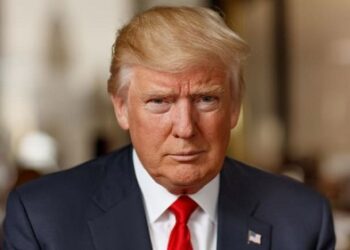
Fast forward to recent years, Soyinka again took aim at Donald Trump, comparing him to Uganda’s late dictator Idi Amin. He said he was paying Trump “a compliment,” calling him “a man of international stature.” That statement, whether sarcastic or not, once again showcased Soyinka’s long-standing habit of provocation. Comparing a U.S. president to one of Africa’s most infamous tyrants was never going to go unnoticed — especially after already offending American sensibilities years earlier.
In diplomacy, words can either build bridges or burn them. Soyinka’s constant criticism of America’s leadership might have won applause from local fans, but it undoubtedly weakened his standing with Washington. It is no surprise that when the consulate invited him for a visa reassessment, they were likely trying to evaluate his attitude and intentions. He refused to show up. That refusal sealed his fate.
Silence on Nigeria, Loudness Abroad
Perhaps what makes this whole situation more ironic is Soyinka’s silence on Nigeria’s own political failures. He has been vocal about the faults of America and Trump, but unusually quiet about the worsening state of his own country. Nigeria faces insecurity, corruption, and bad governance daily, issues that deserve his legendary intellect and moral outrage. Yet, instead of using his global voice to demand accountability at home, he spends it criticizing a foreign government that once gave him shelter and a platform.
At 91, Soyinka remains one of Africa’s greatest writers, but even legends can misstep. The same man who fought dictators and spoke truth to power has, over time, turned his criticism into selective outrage. When you refuse to speak against tyranny at home but condemn it abroad, it begins to look less like activism and more like showmanship.

Actions Have Consequences
The U.S. decision to revoke Wole Soyinka’s visa is not an act of persecution, it is a reminder that even Nobel Laureates are accountable for their choices. The green card he tore was not his property to destroy. The political statements he made about an American election carried diplomatic weight. And refusing to honour a consulate’s invitation was an unwise move.
Soyinka may see the visa revocation as insignificant, but it stands as a symbolic conclusion to a long chapter of disregard. He built his name challenging systems of oppression, but in this case, the system simply followed procedure. America did not snub Soyinka, it merely responded.
Wole Soyinka’s visa revocation was not a random act. It was the consequence of years of provocative gestures, disrespect for U.S. laws, and refusal to play by the same rules he once held others accountable to.