
Steve Perkins has been vacationing here with his wife since 2012. He always felt safe — until Sunday morning, when he stepped onto his hotel terrace and saw explosions and black smoke rising around the city.
“People suddenly started running down the streets, screaming and shouting,” Perkins, 57, told CNN. “Everyone was told to return to their hotels immediately”.
His flight home to Oklahoma was canceled. He’s now rebooked for March 1 — more than a week later. And he says he won’t be coming back.
“There’s a lot of Americans trapped here,” Perkins said.
Perkins is one of thousands of tourists caught in the crossfire of a cartel war that, for once, didn’t stay in the shadows.
When Cartels Break Their Own Rules
Mexican drug cartels have long operated by an unwritten rule: leave tourists alone. Targeting the golden geese that fuel Mexico’s economy invites unwanted government scrutiny and scares away the dollars that keep resorts afloat.
The Jalisco New Generation Cartel broke that rule.
After Mexican forces killed its leader, Nemesio “El Mencho” Oseguera Cervantes, in a weekend raid, cartel loyalists unleashed retaliatory violence that directly targeted tourist infrastructure. They blocked highways with burning cars and buses. They torched stores. They created such chaos that major airlines canceled flights and governments issued shelter-in-place orders for popular destinations.
The result: thousands of travelers stranded, spring break plans in limbo, and a multi-billion-dollar tourism industry staring at an uncertain future.
Flights Canceled, Tourists Stranded
By Monday, major U.S. and Canadian airlines — including United, American, Delta, Southwest, Alaska, Air Canada, and WestJet — had canceled flights to Puerto Vallarta and Guadalajara. Some planes turned around mid-flight.
Aeromexico gradually resumed service, but Air Canada said it wouldn’t fly to the affected cities until later in the week. Flair Airlines tentatively rebooked flights for Tuesday, pending developments.
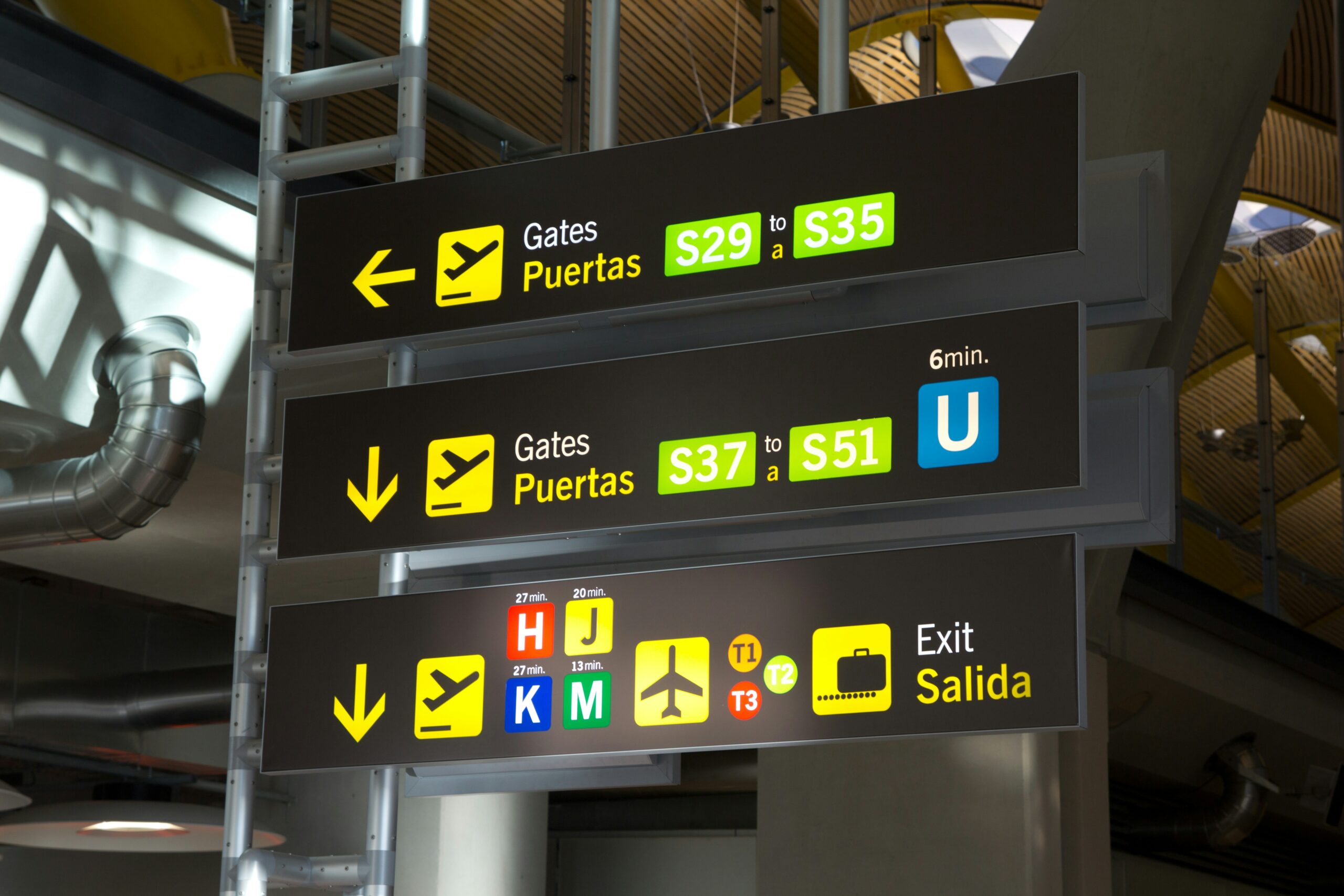
At Puerto Vallarta’s airport, stranded travelers crowded terminals, unsure when — or how — they’d get home. Some cruise lines simply skipped their scheduled stops. Royal Princess and Holland America’s Zuiderdam bypassed Puerto Vallarta entirely.
The World Cup Question
The violence has raised urgent questions about Guadalajara, one of three Mexican cities set to host matches in the 2026 FIFA World Cup this June. If cartels can paralyze the country’s second-largest city now, what happens when the world’s eyes are on Mexico this summer?
Maria Dolores Aguirre, a shopkeeper in the mountain town of Tapalpa where El Mencho was killed, put it bluntly:
“The entire world just saw what happened ,and, of course, people are going to think twice about coming”.
Governments Issue Warnings
The U.S. State Department expanded its shelter-in-place orders to multiple regions, including Cancún, Playa del Carmen, Cozumel, Tulum, Tijuana, and Puerto Vallarta — some of Mexico’s most visited destinations.
Canada advised its 26,000+ registered citizens in Mexico to “keep a low profile” and follow local authorities’ instructions. The Belgian embassy urged travelers to avoid unnecessary journeys in Jalisco.
Former DEA agent Mike Vigil was blunter: “Postpone any planned trips into Mexico”.
The Economic Toll
The violence hit Mexican markets immediately. Shares of Volaris and airport operators GAP and ASUR fell more than 4%. The damage extends beyond tourism — Jalisco is a hub for electronics, semiconductors, agriculture, and tequila production.
Kimberley Sperrfechter, an economist at Capital Economics, warned that prolonged unrest could threaten these industries.
Back in Tapalpa, Aguirre runs her family’s corner store with her 15-year-old son, whose classes were canceled due to violence. She doesn’t know who controls the roads outside her town — the military or the cartel.
“We don’t know if these people are permanently here or not,” she said. “If they really did kill this leader, it could be that they fight between each other to win control”.
For tourists hoping to visit Mexico this spring, the same uncertainty applies. The violence may stabilize in the coming days, as President Claudia Sheinbaum insists. But as Kent Webber, a former Pentagon officer, told the New York Times:
“No travel to Mexico is ever risk-free. The environment can shift quickly when senior cartel figures are killed”.