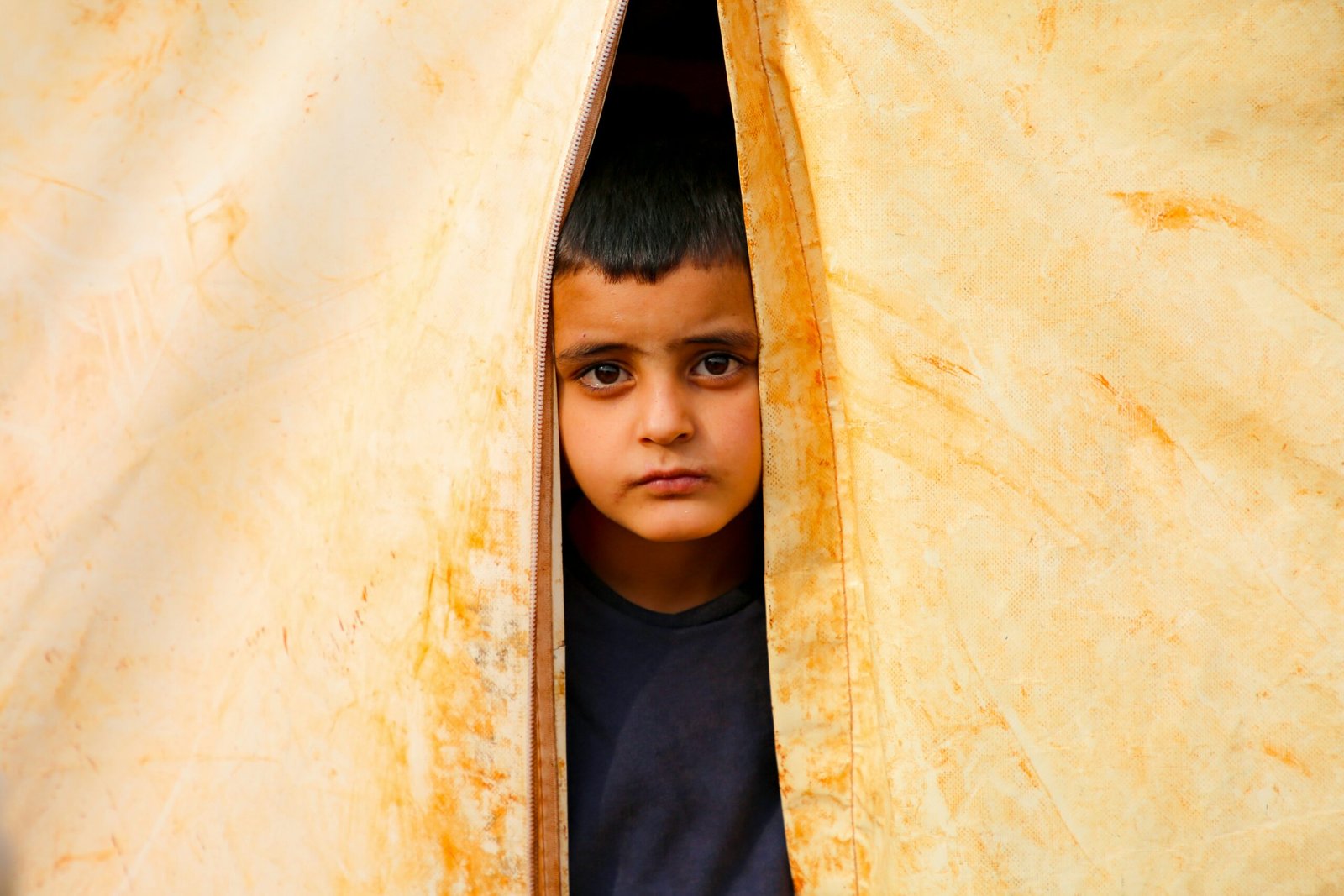

A massive humanitarian crisis is rapidly worsening across the Gaza Strip as severe food, fuel, and flour shortages force thousands of displaced Palestinians into long, desperate queues for basic bread. Despite a ceasefire agreement reached last October, Israel has placed strict new limits on essential imports, raising deep fears that extreme hunger and famine will return to the territory.
Why the October Ceasefire Failed to Stop Hunger
The current crisis stems directly from strict import limits that began when Israel and the United States launched a joint military campaign against Iran on February 28. Following the start of that conflict, Israel shut down the main border crossings into Gaza. While those crossings have since partially reopened, the amount of aid and commercial goods allowed through is heavily restricted by Israeli authorities.
Under the terms of the October ceasefire agreement, Israel was legally required to ease its long-standing blockade and allow a steady flow of supplies into the enclave.
However, local authorities state that Gaza needs roughly 450 tonnes of flour every single day to feed its population, but current Israeli restrictions allow only 200 tonnes to enter. According to Israeli media reports, the U.S.-led Board of Peace, the international group tasked with monitoring Gaza, is refusing to hold Israel accountable for breaking these ceasefire terms unless Hamas agrees to completely disarm first.
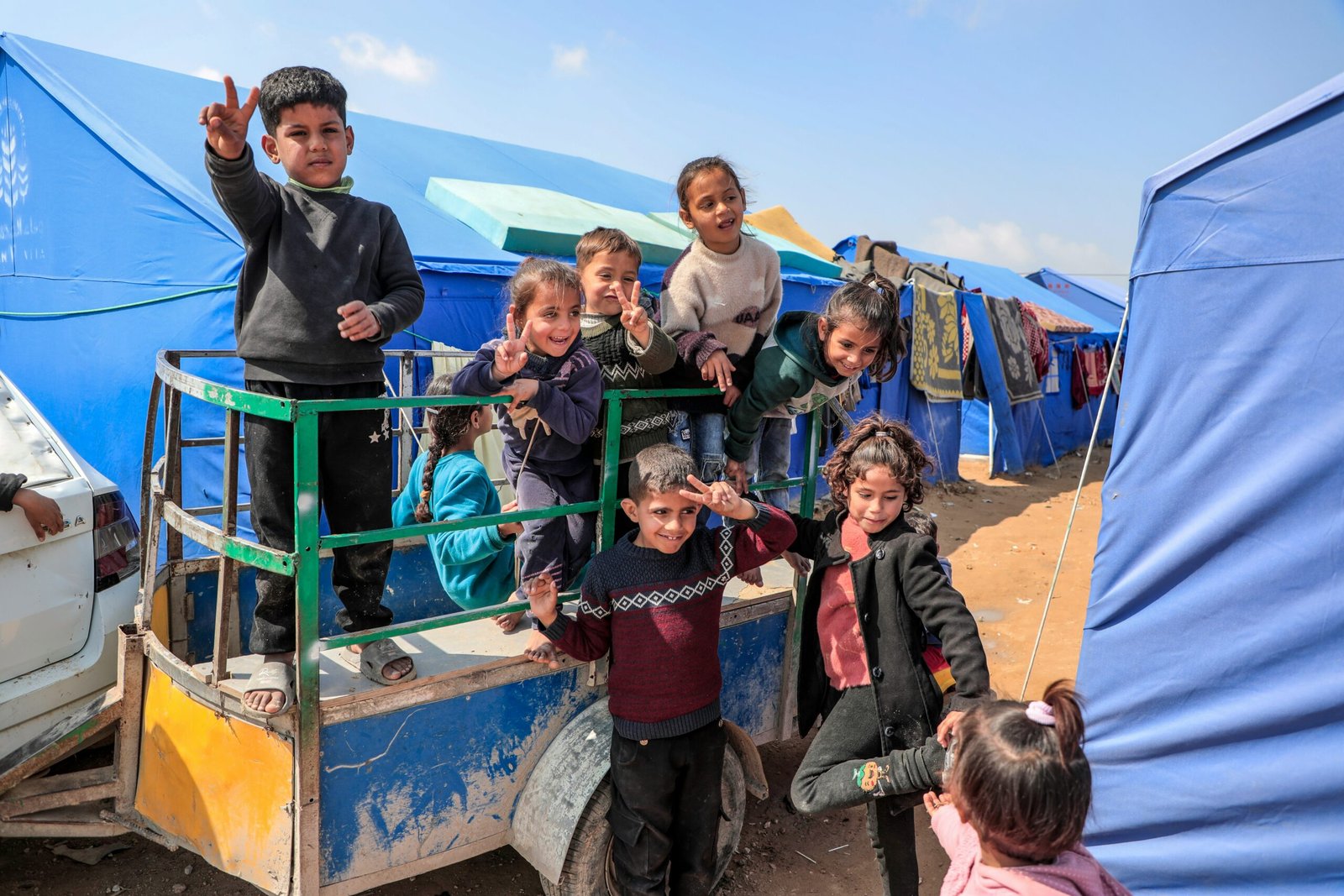
Failing Generators and Shocking $689 Oil Prices
The extreme blockades have created a chain reaction that makes it nearly impossible for local businesses to produce food. The World Food Programme (WFP), which provides subsidized bread to more than one-third of Gaza’s population, has been forced to cut its flour deliveries to local bakeries due to the lack of imports.
Families who cannot stand in line for hours are forced to buy bread from illegal traders. A basic package of bread that used to cost $1 has skyrocketed to between $3.45 and $5.17, an impossible amount for displaced families with zero income. Because Gaza’s main power plant was destroyed early in the war, bakeries rely entirely on diesel generators to run their ovens. Due to the strict blockades, the specialized motor oil needed to keep these generators running has hit a mind-boggling price of 2,000 shekels ($689) per single liter, forcing many bakeries to shut down entirely.
On top of the bread shortage, cooking gas deliveries have slowed to a crawl. Families used to receive gas refills once every six weeks, but Israeli restrictions have pushed that timeline to once every three months, forcing people to hunt for expensive firewood just to cook.
Using Human Hunger as a Political Bargaining Chip Is a War Crime
Cutting off flour, fuel, and basic cooking gas to an entire population of displaced civilians is not a military strategy; it is the deliberate weaponization of starvation. To watch 14-year-old children and elderly widows stand for hours under a burning sun just for a handful of pitas, only to go home empty-handed, is an absolute failure of international law and basic human decency.
The role of the U.S.-led Board of Peace in this situation is deeply hypocritical. A ceasefire is a binding agreement meant to protect human lives, not a one-way street. Giving Israel a free pass to choke off food and fuel imports under the excuse of political leverage completely undermines the credibility of international peacekeeping.
When a single liter of generator oil costs nearly $700 because of an artificial blockade, the system is intentionally designed to make human survival impossible. The global community stood by last year and watched people die of literal starvation before the October truce was signed. Allowing the exact same artificial famine to return just because global political attention has shifted to a new war with Iran is a disgusting violation of human rights. Food should never be used as a weapon of war, period.