

President Donald Trump’s push toward confrontation with Iran has sparked warnings from his own advisors, who insist that now is the time to “stop the forever wars.”
Trump has ordered a major U.S. military buildup near Iran, including aircraft carriers, fighter jets, and warships, preparing for the possibility of a multi-week strike. Yet, his aides caution that rushing into a war could create a “death trap” for American forces.
Despite the show of force, the president has not offered detailed reasons to the American public for such an aggressive posture, leaving many questioning whether military action is truly the most urgent path forward.
Advisers Push Focus Back to Economy
Inside the administration, officials have repeatedly urged Trump to prioritize voter concerns like inflation, housing, and prescription drug costs. Republican strategists fear that another drawn-out foreign conflict would overshadow the economic message crucial for midterm campaigns.
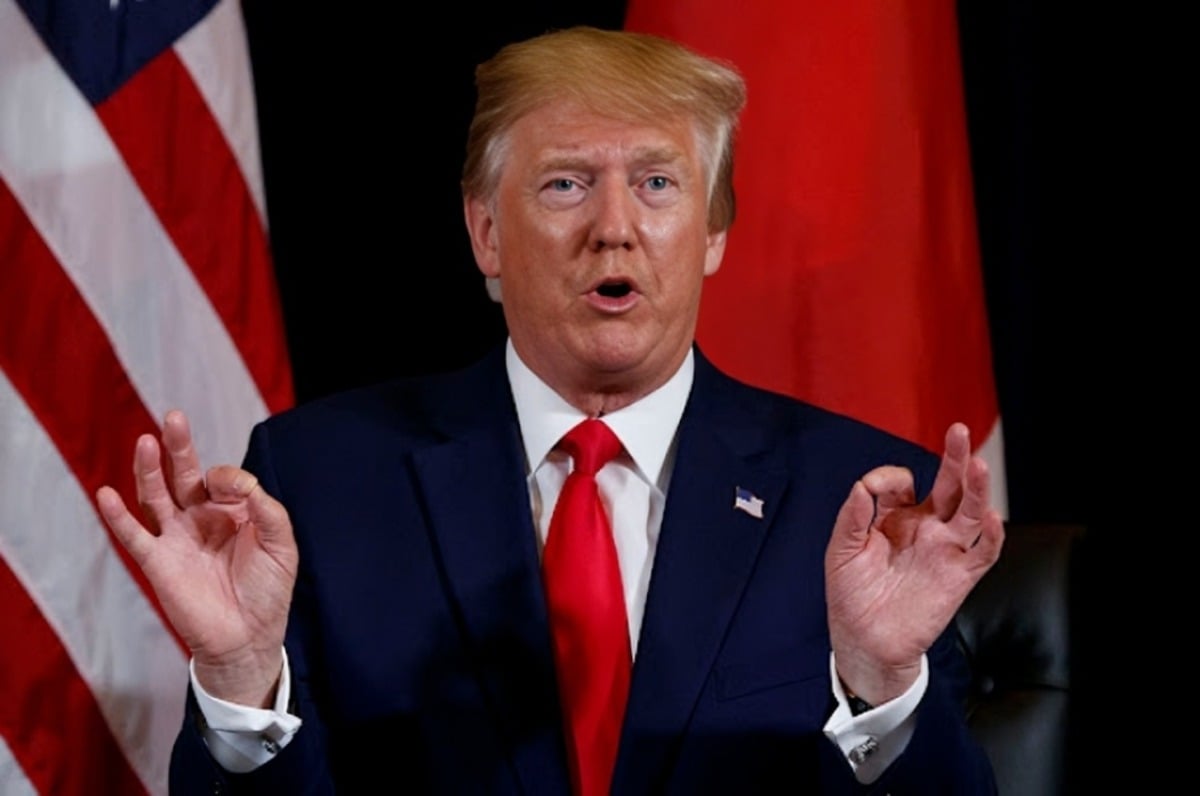
Rob Godfrey, a senior Republican strategist, summed up the warning succinctly: “The president has to keep in mind the political base that propelled him to the nomination three times, which still believes in ending the era of forever wars.
The MAGA Base and Military Action
While Trump’s “America First” supporters have cheered decisive operations like the recent raid in Venezuela, Iran presents a much tougher challenge. The country is larger, better armed, and capable of regional retaliation. MAGA strategists argue that even limited strikes could escalate into a wider conflict that the U.S. may not be ready to sustain.
Trump has reiterated that Iran must “negotiate a fair deal” over its nuclear program or face consequences, but aides worry that vague threats and an ambiguous military objective could harm both U.S. credibility and the economy.
Political Stakes Ahead of Midterms
November’s midterm elections loom large, and the potential political fallout from a conflict with Iran is a major concern. Advisors are acutely aware that a distracted or war-focused administration may lose the messaging battle on domestic issues.
Lauren Cooley, another strategist, emphasized: “Even if a small portion of the base supports action against Iran, the White House must clearly connect it to protecting American security and economic stability.
A Risky Balancing Act
The president’s foreign policy agenda, with its focus on raw military force, now sits at odds with his campaign promise to end U.S. entanglements abroad. power and avoiding a costly distraction from domestic governance.
While some voices within the administration support decisive action, others stress diplomacy, urging Trump to give negotiations a final window before committing to military escalation. The next days will be critical in determining whether Trump prioritizes strategic restraint or the aggressive posture that has characterized his second term.
Avoiding the Death Trap
The repeated message from advisers is clear: avoid stepping into a trap that could lead to a prolonged war. How Trump responds in the coming weeks could define his second term, the midterm election results, and the future of U.S.-Iran relations for years to come.