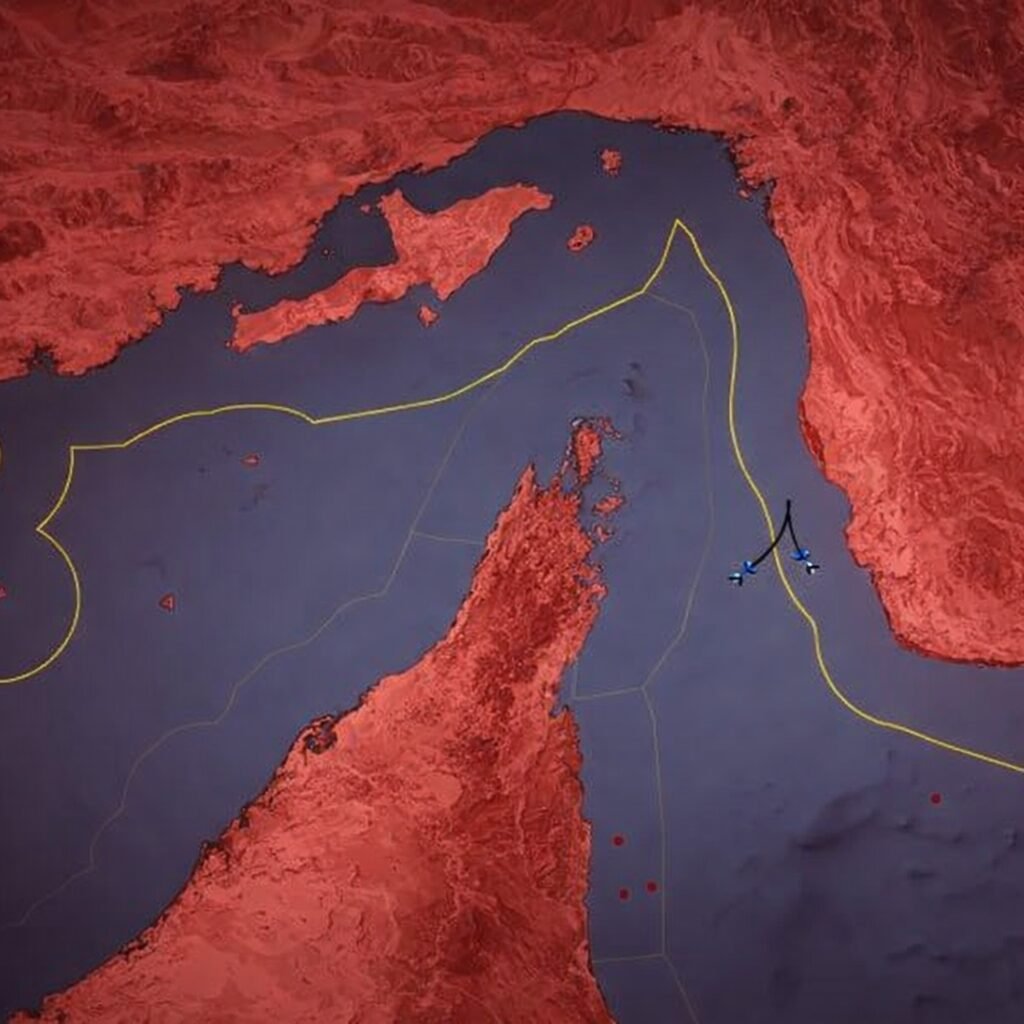

A tentative agreement was reached early Monday between the United States and Iran to prolong their fragile ceasefire and facilitate the reopening of the Strait of Hormuz. However, concerns soon arose, with Israel maintaining that it would keep hold of territory it has seized in Lebanon as fighting with Hezbollah continues.
Information about the deal’s full terms, which could allow urgently needed oil and natural gas supplies to re-enter global markets via the strategic waterway, was not immediately disclosed. Iran said the agreement would only take effect after formal signing, with Pakistani officials—acting as key mediators—stating that the signing ceremony is expected on Friday in Switzerland.
However, the memorandum of understanding on the war had already encountered significant obstacles. Continued fighting between Israel and the Iran-backed Hezbollah movement in Lebanon—including Israeli strikes on Beirut’s southern suburbs on Sunday—almost derailed the negotiations. Israel had also participated alongside the United States in launching the conflict on February 28.

Defense Minister Israel Katz said that in his first official response following the announcement of the deal, Israel would not withdraw from territories it has captured in Lebanon while the interim agreement remains unresolved. He added that Israeli forces intend to maintain a long-term, potentially indefinite presence in areas under their control in Lebanon, as well as in parts of Syria and the Gaza Strip.
Iran, meanwhile, has linked the interim understanding to an end to Israeli military operations against Hezbollah in Lebanon.
Katz warned that if Iran responds to Israeli strikes in Lebanon with an attack, Israel would retaliate with what he described as “great force.”
In the past 2½ years, Israel has expanded its control across parts of Gaza, Lebanon, and Syria, taking over about 1,000 square kilometers (386 square miles) of land—an area a little smaller than New York City.
The agreement also includes a 60-day timeline to resolve the status of Iran’s stockpile of highly enriched uranium and its nuclear programme. This process had previously taken years to negotiate under Tehran’s 2015 nuclear deal with global powers.
U.S. President Donald Trump later withdrew the United States from that agreement during his first term, a move that contributed to the escalation of tensions that eventually led to the conflict.
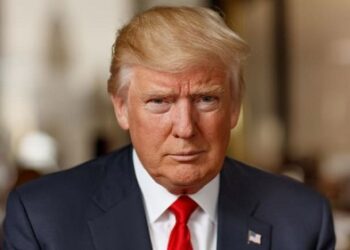
Trump wrote “Congratulations to all!” on social media as he celebrated his 80th birthday on Sunday, which included a UFC cage match event held at the White House.
He added that the United States would fully authorize the toll-free opening of the Strait of Hormuz and immediately lift the naval blockade, which he said had been imposed in response to Iran’s control over the key waterway.
He later qualified his remarks, saying the Strait of Hormuz would only reopen after the formal signing scheduled for Friday.
Kazem Gharibabadi, Iran’s deputy foreign minister, confirmed the agreement on state television but said implementation would not begin until it is formally signed on Friday. He added that the deal was reached following discussions involving Qatar, which acted as a mediator.
From China to Europe, leaders have welcomed the announcement. The shutdown of the Strait of Hormuz has shaken global markets, triggering sharp increases in fuel prices and driving up the cost of key goods, including food.
Chinese Foreign Ministry spokesperson Lin Jian said China “hopes the U.S. and Iran will sign the initial memorandum of understanding as scheduled,” and added that Beijing also expects the resumption of safe and free navigation through the Strait of Hormuz as soon as possible.