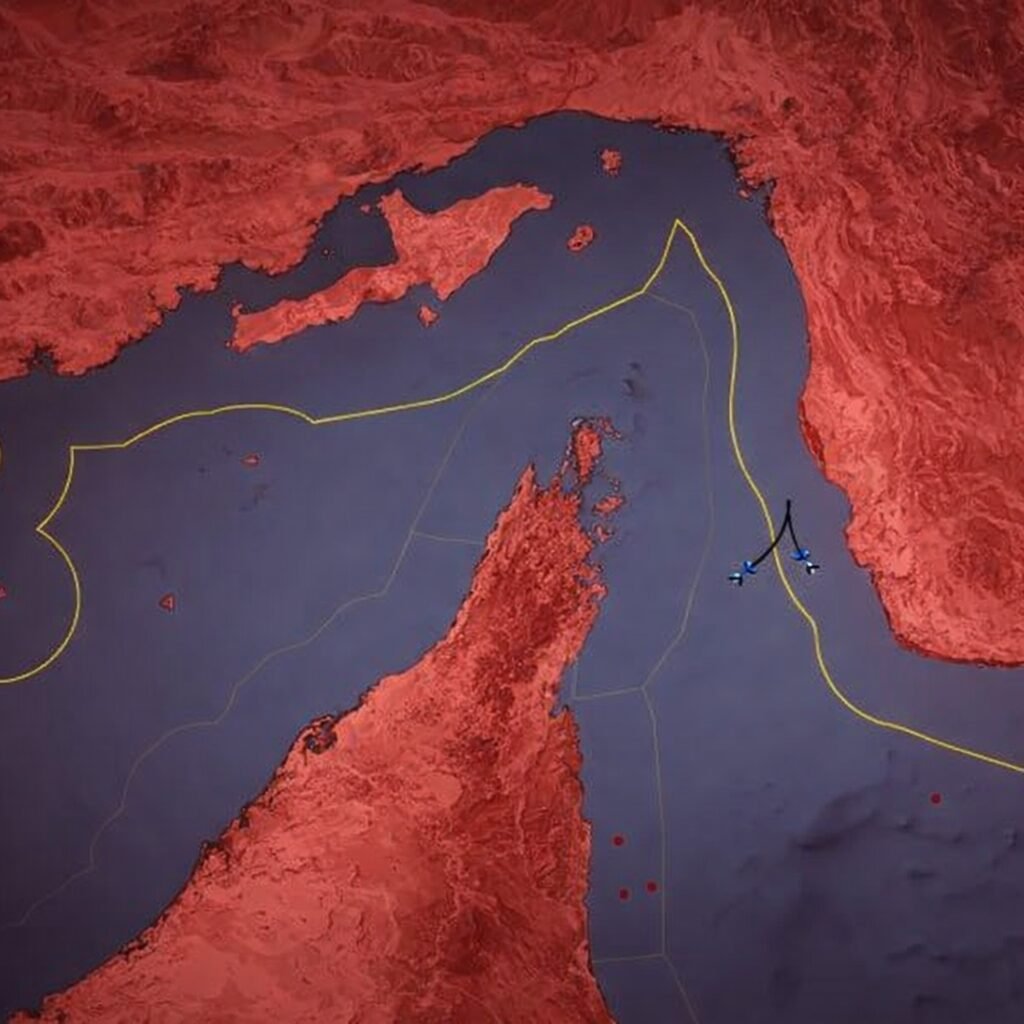

Iranian Foreign Minister Abbas Araqchi announced on Friday that the Strait of Hormuz is now “completely open” for commercial vessels. The announcement, a direct result of the U.S.-brokered 10-day truce in Lebanon, triggered an immediate 11% tumble in oil prices and a surge in global stock markets as investors bet on an end to the “worst oil shock in history.”
The Controlled Opening
While the announcement is a victory for global trade, the reopening comes with significant Iranian caveats. A senior Iranian official confirmed that ships must stay within “safe lanes” designated by Tehran. The opening is strictly for commercial transit; naval vessels remain barred, ensuring Iran maintains a level of tactical control over the waterway.

Despite the news, major shipping giants like Hapag-Lloyd are remaining cautious, citing the unconfirmed presence of sea mines that may have been deployed during the height of the conflict.
Trump’s “Transaction” Logic
President Donald Trump was quick to take credit, posting on Truth Social that the “Strait of Iran” was ready for passage. However, he made it clear that the pressure is not off. The U.S. military blockade of ships heading to Iranian ports remains in full force. Trump stated this will only end when the nuclear deal is “100% complete.” Trump reiterated his claim that the U.S. has already “obliterated” Iran’s enriched uranium stocks, a claim Iran’s state media, Mizan, continues to call a fabrication.
The Price of Peace
Behind the scenes of the reopening is a massive financial incentive. Iranian sources claim the agreement to reopen the Strait is linked to the unfreezing of billions of dollars in Iranian assets held globally.
Diplomats in Islamabad suggest a Memorandum of Understanding could be signed this weekend, leading to a comprehensive peace deal within two months.
Internal Friction in Tehran
Despite the reopening, the political atmosphere in Iran remains combustible. During Friday prayers, high-ranking clerics struck a tone of fierce resistance, telling worshippers that Iran “does not negotiate while being humiliated.” This suggests that while the military may be stepping back at the Strait, the hardline religious leadership is far from ready to surrender.
As the 10-day clock on the Lebanon ceasefire ticks, the global economy is breathing a sigh of relief. But with Trump’s blockade still choking Iranian ports and “gaps” remaining in nuclear negotiations, the peace at the Strait remains as fragile as the glass-bottomed tankers that carry the world’s energy.
Is reopening the Strait in exchange for billions in assets a brilliant de-escalation, or has the U.S. essentially paid a “ransom” to a regime that still refuses to admit its nuclear program is finished?