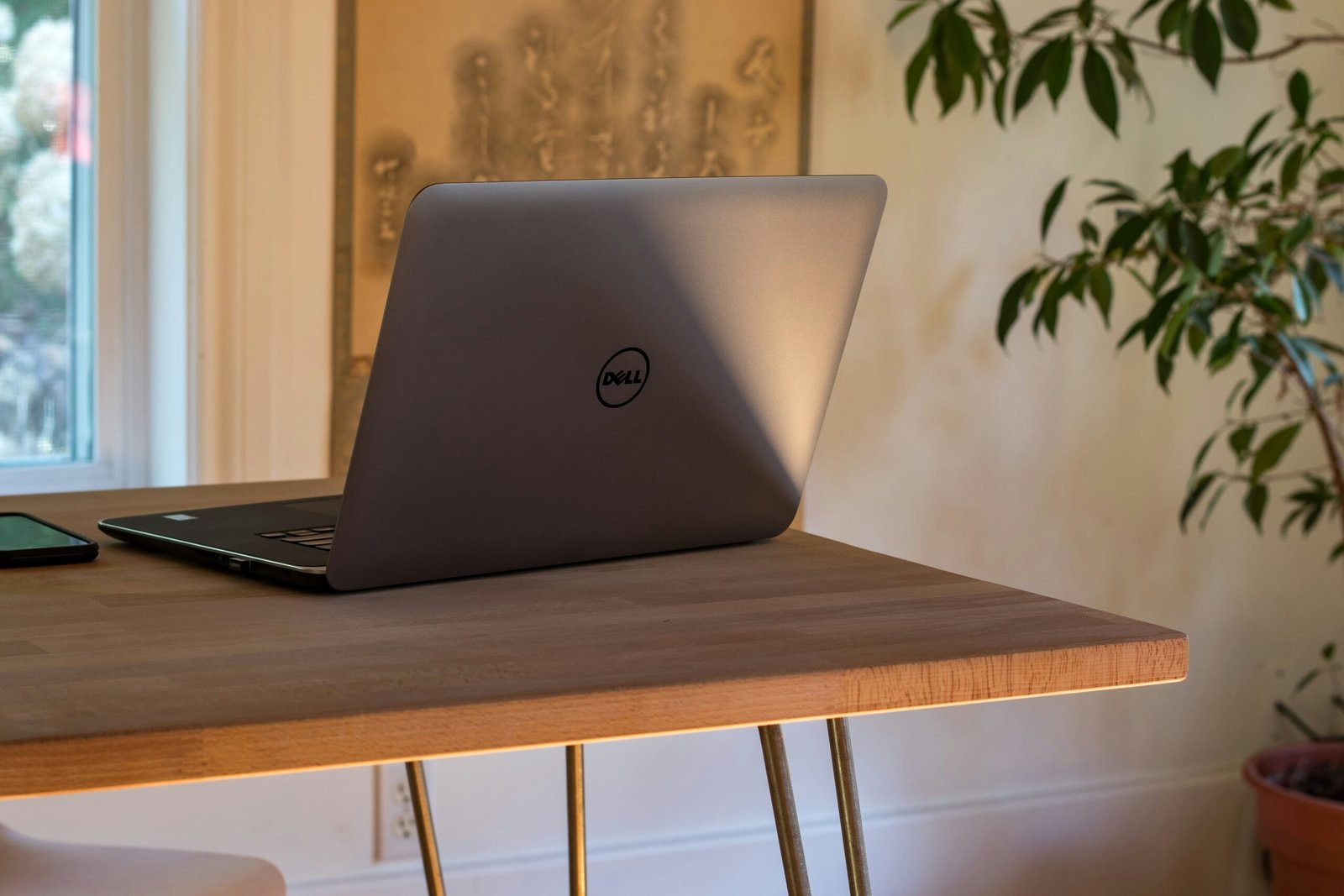

First: The Pentagon announced that Dell has been granted a $9.7 billion government contract.
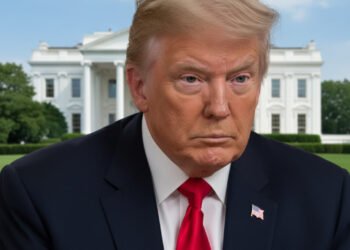
Second: President Donald Trump recently acquired stock in Dell and has publicly praised the company.
Government ethics watchdogs are now sounding the alarm. They say the sequence creates the appearance of a conflict of interest. The president stands to gain financially from a deal his own administration awarded.
The question is not whether Trump broke the law. The question is whether anyone will investigate.
The Timeline That Raises Eyebrows
The Washington Post reported that Trump’s stock transactions in Dell came before the Pentagon contract was announced. He also praised the company publicly. Then the $9.7 billion deal landed.
Ethics experts say that sequence matters. Even if no laws were violated, the appearance of impropriety is damaging. A president who profits from companies that win government contracts — contracts his administration controls — creates a perception that the system is rigged.

The Pentagon has not commented on whether Trump’s stock holdings influenced the decision. Dell has not commented on whether the president’s praise helped secure the deal. But the optics are brutal.
The ‘Appearance of Evil’ Standard
Government ethics rules are not just about actual corruption. They are also about the appearance of corruption. Federal employees are prohibited from participating in matters that would create the appearance that they are acting in their own financial interest.
For the president, the rules are looser. The president is not bound by the same ethics statutes as career officials. But the standard of public trust is higher. When the leader of the free world stands to profit from a government contract, the public has a right to ask questions.
Trump has not disclosed how much Dell stock he owns. He has not said whether he sold it before the contract was awarded. He has not explained why he praised the company. The silence is not comforting.
A Pattern of Behavior
This is not the first time Trump’s finances and government business have intersected. During his first term, his hotels hosted foreign diplomats. His properties benefited from his political travel. His name appeared on stimulus checks.
Critics have long argued that Trump blurs the line between public service and private profit. Supporters say he is a businessman who brings private-sector efficiency to government. The Dell contract will likely follow the same pattern: defenders call it smart leadership; critics call it self-dealing.
The $9.7 billion deal is too large to ignore. Dell is a major technology supplier to the military. The contract will create jobs and provide critical equipment. None of that is inherently problematic. What is problematic is that the president who approved the contract has a financial stake in the company that won it.
What Happens Now?
Ethics watchdogs have raised the alarm. The Washington Post has reported the story. Congress could investigate. The Pentagon could review the contract. The president could disclose his stock holdings.
Or nothing could happen.
The Trump administration has shown little interest in policing its own conflicts of interest. Congress is controlled by Republicans who have largely defended the president. The public is distracted by inflation, the Iran war, and the midterms.
The Dell contract will likely move forward. Trump will likely keep his stock. And the appearance of a conflict will linger, unresolved.
The Bottom Line
The Pentagon awarded Dell a $9.7 billion government contract. President Trump recently acquired Dell stock and publicly praised the company. Ethics experts say the sequence creates the appearance of a conflict of interest.