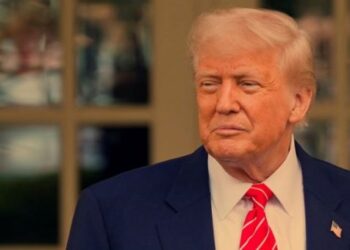


The Supreme Court’s decision on the fate of Trump tariffs is a big moment for both the United States and the global economy. Everyone who trades with America, from small businesses to large corporations, is watching closely. The tariffs President Trump imposed have been controversial since the start, and how the court rules could change trade rules for years.
What the Tariffs Mean
Trump’s tariffs hit nearly every foreign trading partner. He used a law from 1977 meant for national emergencies to justify them. Some people say it was an overreach of power, while Trump claims it made the U.S. financially stronger. For ordinary Americans, this meant higher prices on imported goods, but for U.S. producers, it offered protection from foreign competition.

Lower courts already said Trump exceeded his authority with the tariffs. That is why the case is now in the Supreme Court. Both conservative and liberal justices have expressed doubts about the legality. The decision could limit or expand the president’s power to act alone in matters of trade.
Stakes Are Huge
If the court rules against Trump, it could reverse years of tariff policy and shake global markets. Countries like China, Canada, and Mexico, which were heavily affected, are watching the case closely. The ruling could also set a precedent for how much the president can act without Congress in the future.
Businesses hit by tariffs, along with 12 U.S. states, challenged the president’s actions. Many of these states are run by Democrats. They argue that Trump’s broad use of the law hurt the economy and disrupted markets. Corporations say the uncertainty makes planning and investment harder.
Political Angle
Trump’s supporters argue that the tariffs protect American jobs and industries. Opponents say they are an abuse of power and hurt everyday Americans. How the court rules will not only affect the economy but also signal how far a president can go using emergency powers.
Beyond Tariffs
The Supreme Court is also handling other major cases, including a challenge to part of the Voting Rights Act and a law in Colorado about conversion therapy. The court’s decisions in all these cases will shape U.S. law and policy for years.
For now, the nation waits. The Supreme Court set to decide fate of Trump tariffs is about more than trade. It is about the balance of power between the president and Congress, and how far one leader can go using emergency laws. The outcome will be felt in boardrooms, stores, and government halls across the country and beyond.