In a humiliating rebuke to American diplomacy, Thailand has defiantly vowed to continue its border war with Cambodia, publicly rejecting a “ceasefire” claim made just hours earlier by former U.S. President Donald Trump and throwing a fragile regional peace process into chaos.
The stunning declaration exposes a fatal rift in international mediation efforts and reveals that a conflict rooted in a century-old territorial dispute has spiraled beyond the control of outside powers. While Trump touted a diplomatic victory, military commanders on the ground were preparing for the next artillery barrage.

Trump’s “Deal” vs. Thailand’s Battle Cry
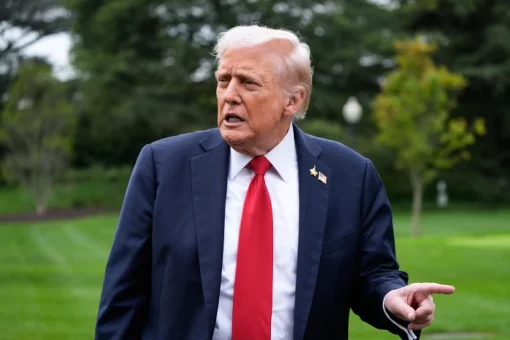
The crisis erupted when Trump, speaking at a rally, announced he had brokered a “beautiful ceasefire” between the two Southeast Asian nations, claiming credit for halting the fighting that has killed dozens and displaced hundreds of thousands this year.
Within hours, the Thai government issued a blistering correction. A top national security official stated bluntly that “there is no ceasefire” and that Thai forces retained the “sacred duty” to defend every inch of disputed territory. The Cambodian government echoed the sentiment, accusing Thailand of “bad faith” and vowing a proportional military response.
“The claims of peacemakers abroad do not change the facts on the ground for our soldiers,” read a statement from the Royal Thai Army. “We will not stand down while Cambodian forces occupy Thai land.”
A Conflict of Pride, Not Just Territory
Analysts say Thailand’s public rejection is about more than border maps; it is about national sovereignty and pride. Accepting a ceasefire dictated by a foreign power, especially one announced unilaterally, is seen as a profound loss of face. The conflict over the ancient Preah Vihear temple and surrounding land is a visceral issue in both nations, making compromise politically toxic for leaders.
“Trump may have thought he was making a deal, but he misunderstood the conflict,” said a regional security analyst. “This isn’t a corporate negotiation. It’s a blood feud over history and national identity. You can’t tweet it away.”
The Real Mediators Scramble
The incident has severely damaged the credibility of the United States as a neutral broker and has sent the actual mediators—namely the Association of Southeast Asian Nations (ASEAN)—scrambling to prevent a full-scale war.
ASEAN officials, who have been painstakingly hosting closed-door talks, were blindsided by Trump’s announcement. “This sets the real diplomatic process back months,” lamented one diplomat involved in the talks. “It gives hardliners in both militaries an excuse to escalate, claiming their national will is being disrespected by outsiders.”
What Comes Next: More Bloodshed
With Thailand vowing to fight and Cambodia pledging to retaliate, the trajectory points toward intensified conflict. Both nations have moved heavy artillery and troops to the border region, and skirmishes have increased in frequency and severity.
Trump’s failed ceasefire claim has not brought peace; it has provided both sides with a new rallying cry. Thailand fights to prove it cannot be ordered to stop. Cambodia fights to prove it cannot be bullied. And caught in the middle are the villagers whose homes have become the battlefield, for whom the promise of a “beautiful ceasefire” was just another broken promise from afar.
The guns, it seems, will have the final say.