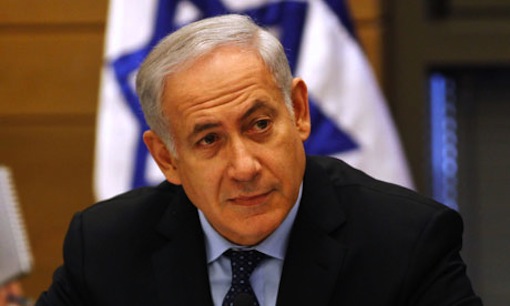

For over three decades, Israeli Prime Minister Benjamin Netanyahu built his entire political identity around a single, unyielding doctrine: he was “Mr. Iran,” the global statesman who insisted that only overwhelming military force and relentless economic isolation could crush the Iranian regime and halt its nuclear ambitions. When American and Israeli fighter jets launched a massive joint bombardment of Iran on February 28, Netanyahu celebrated it as a historic culmination of his life’s work.
Today, that legacy is in tatters. Three months after the opening strikes, what Netanyahu envisioned as a regime-collapsing war has been abruptly halted by an American-led diplomatic process. Left completely sidelined by a surprise U.S.-backed ceasefire, Netanyahu is facing an existential crisis both for his country and his political career, as close allies privately lament that President Donald Trump has thrown Israel “under the bus.”
Chasing Regime Collapse
The operational gap between Washington and Jerusalem reflects a fundamental misreading of American politics by the Israeli government. While Netanyahu’s administration was deeply invested in using prolonged military action to spark a total regime collapse in Tehran, Trump viewed the conflict through a purely domestic lens. Recognizing that the political narrative of Israel “wagging the American dog” into a prolonged, unpopular Middle Eastern war was damaging his standing at home, Trump moved aggressively to reassert control and force a diplomatic exit.
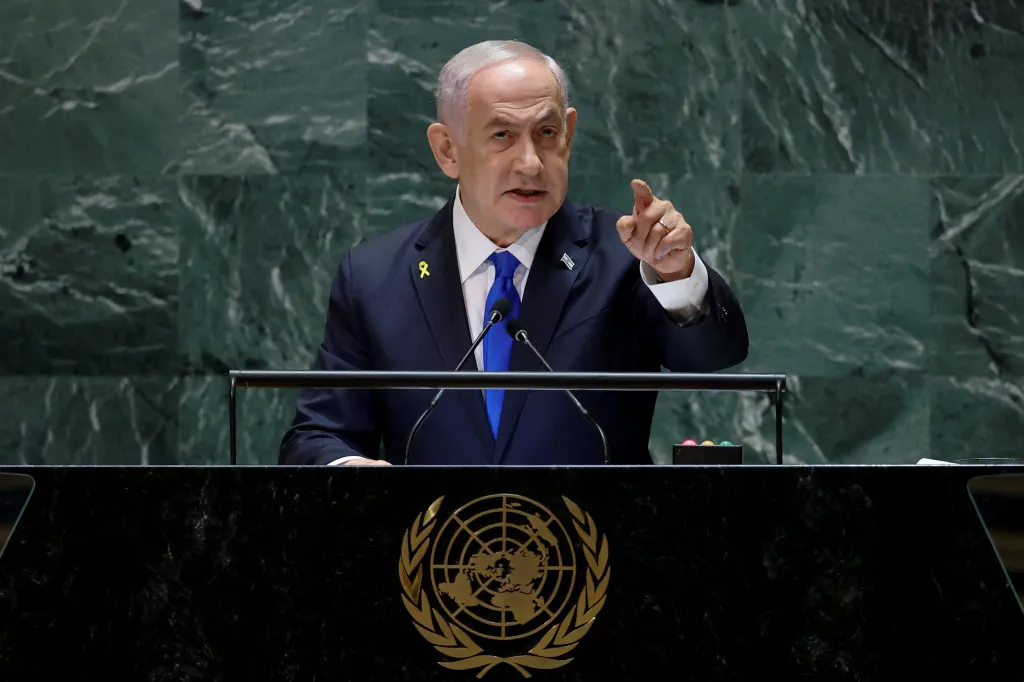
Behind closed doors, Netanyahu has frantically pressed Trump to resume full-scale military operations, arguing that lifting the naval blockade on Iranian ports will inject billions of dollars into Tehran’s economy, effectively funding the regime’s recovery.
However, U.S. negotiators, led by Jared Kushner, Steve Witkoff, and Vice President JD Vance, have chosen an economic off-ramp over an existential military campaign. The emerging interim deal reportedly leaves Israel’s core security threats completely unaddressed: Iran’s massive stockpile of near-weapons-grade enriched uranium will remain on Iranian soil, its ballistic missile programs will stay intact, and its regional proxy network will remain fully operational.
The Lebanon Sticking Point and Domestic Fury
The crisis has been further compounded by the escalating conflict along Israel’s northern border. As part of the ceasefire negotiations, Iran is pushing for a mandatory cessation of hostilities in Lebanon. While the U.S. has successfully restrained major Israeli ground operations, Hezbollah has capitalized on the diplomatic gridlock by intensifying devastating drone and rocket attacks on Israeli troops and northern border communities.
This trapped position has resulted into a fierce mutiny within Netanyahu’s right-wing governing coalition. Far-right ministers Itamar Ben Gvir and Bezalel Smotrich have publicly revolted, demanding an aggressive, unilateral military campaign in Lebanon regardless of Washington’s warnings. Ben Gvir has explicitly urged the prime minister to publicly confront the White House, declaring that Israel cannot tolerate being dictated to by American negotiators.
Yet, unlike his aggressive public campaign against Barack Obama’s 2015 Iran nuclear deal, which featured a controversial, defiant speech to a joint session of Congress—Netanyahu cannot afford to publicly break with Trump. Having poured all of his political capital into his relationship with the current president, an open feud with Trump right before upcoming Israeli elections would be political suicide. Instead, Netanyahu has resorted to using pro-government media channels to attack Kushner and Witkoff, shielding the president from direct blame while accusing his team of abandoning Israel.
The Death of a Doctrine
The sudden end of the war threatens to permanently dismantle the central narrative of Netanyahu’s political career. The military campaign against Iran was intended to be the ultimate shield to restore his legacy following the intelligence failures of the October 7, 2023, Hamas attacks. Netanyahu had planned to market himself to voters as the visionary leader who finally neutralized Israel’s greatest existential threat.
Instead, a recent poll conducted by Israel’s Institute for National Security Studies (INSS) reveals a deeply pessimistic Israeli public: 45% of Israelis believe the country’s strategic situation regarding Iran has actually worsened since October 7, while only 31% believe it has improved.Nearly half of the country believes that Israel will either fail to win or has already lost the war against Iran, compared to just 41% who remain optimistic about a favorable outcome.
To soften the blow, Trump has attempted to offer Netanyahu “political compensation” by pressuring Saudi Arabia and other Gulf states to fast-track normalization agreements and expand the Abraham Accords. But Israeli intelligence remains highly skeptical of a genuine breakthrough, given that the Saudis still strictly demand a credible pathway to Palestinian statehood, a concession that Netanyahu’s right-wing coalition partners would instantly use to collapse his government.
Ultimately, Trump’s blunt public reminder that “Bibi’s a good guy, he’ll do what I tell him,” has exposed the true power dynamic of the alliance. By forcing a halt to operations in Gaza, Lebanon, and now Iran, Trump has systematically demonstrated that Netanyahu has lost the ability to dictate the terms of his own conflicts, exposing his long-standing defense doctrine as a resounding strategic failure.
Should the Israeli government comply with the White House’s diplomatic restrictions to preserve its foundational alliance with the United States, or must Israel launch independent military strikes against Iran’s nuclear infrastructure to defend its own existential survival?