
In a move that critics say cements a permanent state of exception, Tunisian President Kais Saied has officially extended the nation’s state of emergency for another 11 months, maintaining sweeping executive powers until at least December 31, 2026, and prolonging a security regime that has been in place for over a decade.
The extension, published in the official state gazette on Friday, marks the latest renewal of emergency powers first imposed in November 2015 following a deadly suicide bombing that killed 12 presidential guards in Tunis. What began as a temporary response to a terrorist threat has become a near-permanent feature of Tunisian governance, renewed by successive governments nearly every year.
Under the state of emergency, the president retains the authority to restrict movement, ban strikes and public gatherings, and impose media censorship — powers that human rights organizations argue have been increasingly used to suppress political dissent and peaceful protest rather than combat genuine security threats.
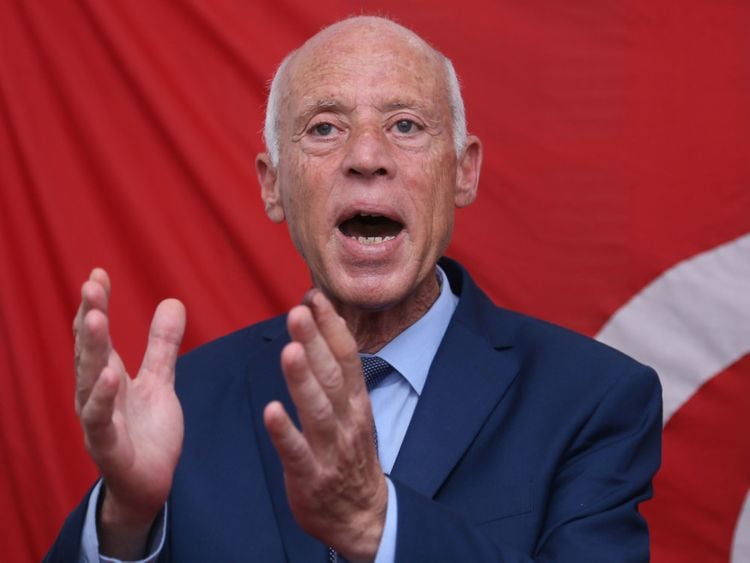
A Tool for Consolidating Power
The renewal comes amid a continuing political and economic crisis triggered by President Saied’s July 2021 power grab, in which he suspended parliament, dismissed the prime minister, and began ruling by decree. He later oversaw the passage of a new constitution in 2022 that significantly expanded presidential powers, a process opponents have labeled an “autocratic coup.”
Analysts view the endless extensions of the state of emergency as a key legal tool in this consolidation of authority, allowing the presidency to bypass normal legislative and judicial checks. The government maintains that the measure is essential for maintaining “public security” against persistent terrorism risks and social unrest stemming from a severe economic downturn.
For many Tunisians, however, the perpetual emergency symbolizes the slow unravelling of the democratic promises of the 2011 Arab Spring revolution that began in their country. With the emergency now set to last for an eleventh consecutive year, the line between temporary crisis management and permanent authoritarian rule has all but vanished.