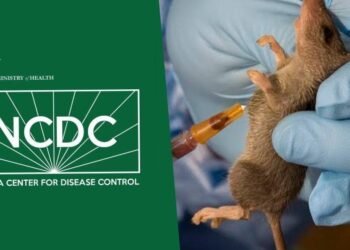


An outbreak of the deadly Nipah virus in India has triggered a coordinated international monitoring effort, with health authorities across three continents issuing warnings and activating border controls to prevent the high-mortality pathogen from spreading beyond its current zone.
The World Health Organization classifies the Nipah virus among its top 10 priority pathogens—a list that includes COVID-19 and Ebola—due to its epidemic potential. The virus, which spreads from fruit bats to humans and can be transmitted between people, is associated with a fatality rate between 40% and 75% and has no approved vaccine or specific treatment. Severe infection can cause fatal encephalitis (brain swelling).
The Outbreak Under the Microscope
Indian authorities have confirmed two laboratory-verified cases in West Bengal state since December, both among healthcare workers. A total of 196 contacts have been traced and tested, with no evidence yet of transmission outside of India. However, the presence of cases has been enough to trigger a global health alert.
A Global Response at Airports and Borders
Beyond India’s borders, a containment protocol has swung into action. Neighboring countries Thailand and Nepal have begun screening passengers at airports receiving flights from West Bengal, as well as at key land border crossings.
Across the world, Jersey’s Health Department has officially warned travelers, urging anyone who develops symptoms overseas—or after returning home—to seek immediate medical advice and declare their travel history. Jersey’s Director of Public Health, Prof. Peter Bradley, stated, “We will continue to monitor the situation closely alongside our colleagues at agencies in other jurisdictions.”
Preparing for the Worst, Hoping for the Best
The heightened vigilance reflects lessons learned from past outbreaks. The UK Health Security Agency (UKHSA) revealed it received funding in 2022 to create the UK’s first diagnostic model for testing Nipah infections, having studied the virus for years to prepare for a potential imported case. While Prof. Bradley asserts the risk to tourists is “very low” with standard precautions, the global health apparatus is now on standby, treating the West Bengal cluster as a potential spark that must be contained before it can ignite a larger fire.