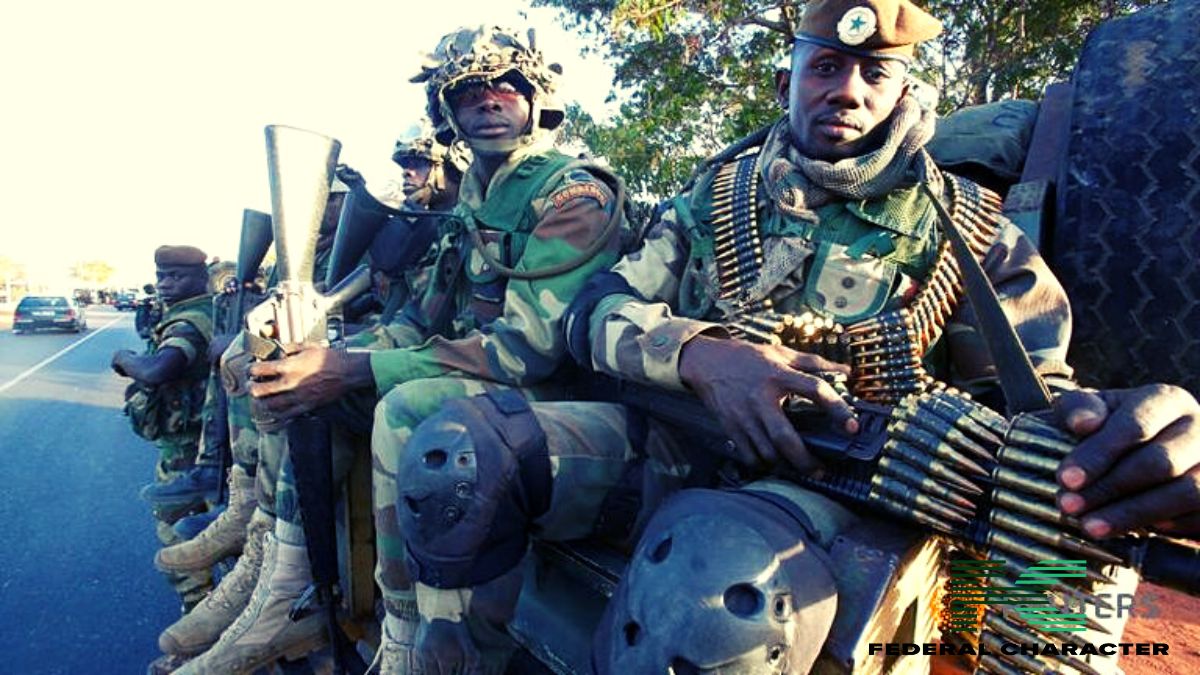
A secretive military flight, an emergency landing in the dead of night, and the brief detention of eleven elite Nigerian officers have ignited a fiery diplomatic crisis in West Africa, exposing the razor-wire tensions between rival blocs in the region.
The incident, which Burkina Faso’s military government has branded an “unfriendly act” and a blatant violation of sovereignty, has left officials in Ouagadougou seething and raised the specter of an accidental armed clash in the volatile Sahel sky.
The Contradiction in the Sky
The facts are shrouded in opposing narratives. According to a terse joint statement from the Alliance of Sahel States (AES)—the military junta-led alliance of Burkina Faso, Mali, and Niger—a Nigerian Air Force C-130 aircraft entered Burkinabè airspace “without prior authorisation” on Monday and was subsequently forced to land in the western city of Bobo-Dioulasso.
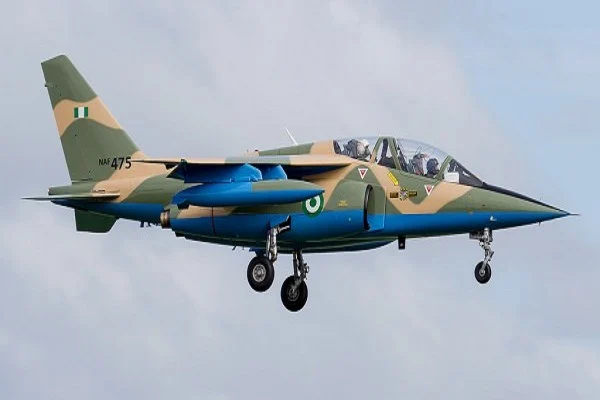
An onboard investigation revealed two crew and nine passengers, all Nigerian military officers, on a mission whose ultimate purpose remains unclear. The AES called it a hostile breach and immediately placed the air forces of all three nations on “maximum alert,”authorizing them to “neutralise any aircraft” violating their collective airspace.
The Nigerian account tells a different story. The Nigerian Air Force insists the aircraft, en route to Portugal, suffered a sudden technical failure. Bobo-Dioulasso was simply the nearest airfield for an emergency safety landing, a standard aviation procedure. They acknowledged the crew was treated cordially but pointedly omitted any mention of their detention.
A “Cordial” Detention and a Silent Standoff
Burkinabè security sources, however, confirm to the BBC that the eleven officers were indeed briefly detained for questioning before being released and allowed to depart. This gap between “cordial treatment” and formal detention lies at the heart of the escalating distrust.
For the AES junta, the unauthorized entry was a provocation, proof of disrespect from their larger neighbor and former ally within ECOWAS, the West African bloc from which all three nations withdrew earlier this year. For Nigeria, it was an unfortunate technical glitch met with disproportionate suspicion and aggression.
The Shadow of a Wider Conflict
Analysts see this as far more than a procedural dispute. The incident comes just days after Nigeria, leading an ECOWAS mission, swiftly deployed fighter jets to help crush an attempted coup in neighboring Benin. That show of force has left the AES juntas, who have pivoted towards Russia and away from Western influence, deeply unsettled and hyper-vigilant.
The simultaneous “maximum alert” order across three nations signals a new, hardened reality. The Sahel is now divided into armed camps: the Russia-aligned AES versus the traditionally Western-backed ECOWAS, led by Nigeria. An unannounced military flight, for any reason, is now viewed through the lens of potential intervention or espionage.
Why It Matters
While the Nigerian officers have flown home and plans continue for their original mission to Portugal, the diplomatic damage is done. The AES statement is not an apology but a warning shot—a public declaration of their right to defend their skies by force.
The secret breach has been revealed, but the full mission of the flight remains classified. In the tense silence that follows, the only certainty is that the next unknown aircraft to cross into Sahelian airspace may not be met with questions, but with missiles.