

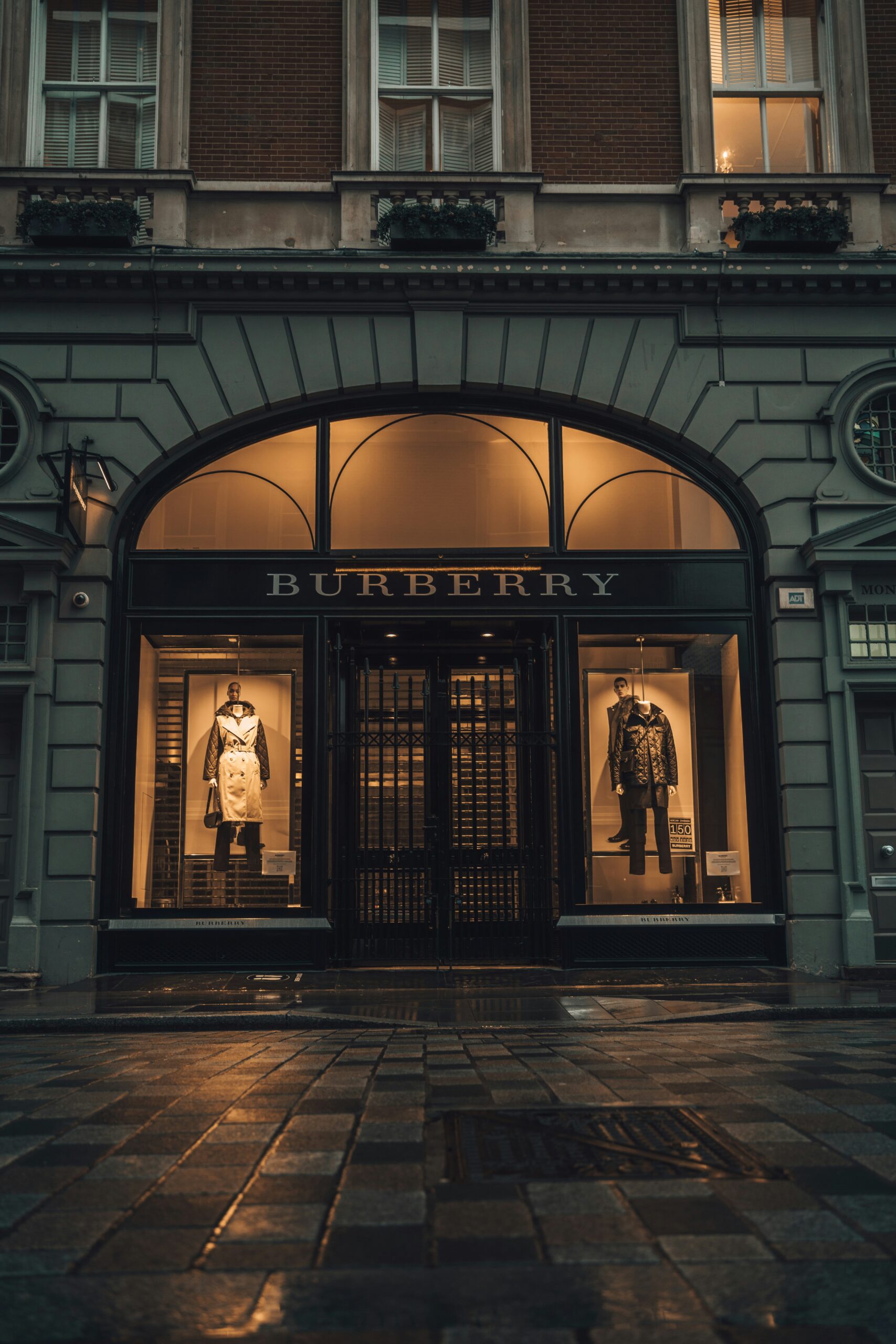
In a surprise holiday season coup, British heritage brand Burberry has engineered an unexpected revival, beating sales forecasts by unlocking the elusive spending power of China’s Gen Z shoppers, a move that sent its shares soaring and defied the pervasive gloom in the global luxury sector. The 168-year-old label, which had been struggling with sliding sales and industry-wide headwinds, reported a crucial 3% rise in comparable store sales for the key quarter, driven by a 6% surge in China, where sales to young consumers grew by “double digits.”
This “revival” is the early fruit of a high-stakes turnaround strategy orchestrated by CEO Joshua Schulman, who took the helm in July 2024. Facing a brutal two-year luxury slump, Schulman pivoted sharply by refocusing on core icons like trench coats and scarves, slashing the workforce by 20%, and executing a marketing blitz in China that successfully localized the brand’s British heritage for a young, digitally-native audience. “In China in particular, we were really driven by the growth in Gen Z,” Schulman emphasized, noting an acceleration during peak outerwear season.
The Secret Weapon: Localized Storytelling and Experiential ‘Stunts’
Burberry’s victory was not achieved through traditional advertising alone, but through a series of clever, immersive “stunts” designed to go viral and create cultural currency with China’s youth. The brand installed a branded ice rink with a pop-up store in a Beijing mall and created a ski slope pop-up in Chongli, complete with a ski lift wrapped in the iconic Burberry check.
This was paired with a savvy influencer strategy and a timely Lunar New Year campaign celebrating the Year of the Horse, which perfectly aligned with Burberry’s equestrian knight logo. “We’ve increased localization of the storytelling, and we’ve introduced new influencers,” Schulman said. This hyper-local, experience-driven approach transformed Burberry from a distant British institution into a participatory, cool brand within China’s crowded social media landscape.
Beating the Odds in a ‘Challenging’ Global Market
The success stands in stark relief against a dismal industry backdrop. For two years, luxury giants have watched consumers slash spending on handbags and clothes, making any growth a notable achievement. Burberry’s report was hailed by J.P. Morgan analysts as a potential “relief on the state of the luxury consumer, in China in particular.”
Crucially, the growth was driven by healthier full-price sales. The company revealed its markdown period was “shorter and shallower” than the previous year, a key indicator of brand strength and pricing power. While store traffic remains “challenging,” Chief Financial Officer Kate Ferry noted “strong conversion everywhere,” meaning customers who entered were more likely to buy—a sign the product and marketing mix is working.
A Revival With a British Accent, But a Chinese Heart
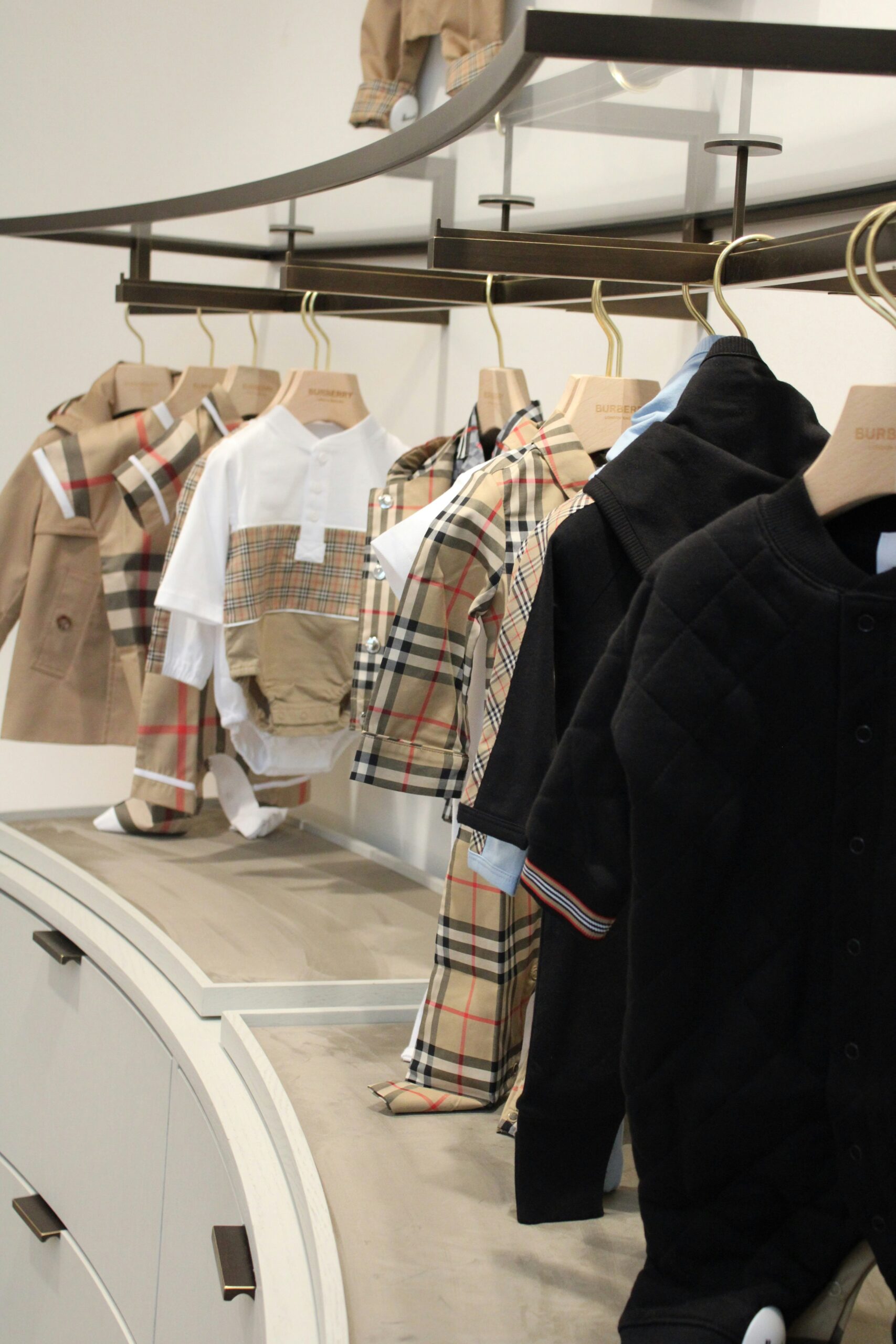
Schulman’s strategy represents a conscious doubling down on “Britishness” but with a critical twist: it is Britishness packaged specifically for a Chinese Gen Z sensibility. Global campaigns featuring British stars like Olivia Colman provide prestige, but the on-the-ground experiences in Beijing and Chongli create desire. The focus on timeless outerwear—trench coats and scarves—provided a practical, seasonally-relevant entry point for new young customers.
The “unexpected” nature of this revival lies in its timing and method. In an era where many heritage brands are seen as outdated, Burberry leaned into its history but made it interactive, local, and shareable. By winning over China’s youth—the most influential and discerning cohort in luxury’s most important future market—Burberry hasn’t just posted a good quarterly number. It has potentially rediscovered its playbook for relevance in the 21st century, proving that even a “grandma” brand can earn a second life with the right generation.