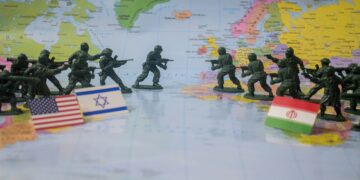

Wars are fought with missiles, drones, and fighter jets. The spoils, sometimes, go to countries that fire none of them.
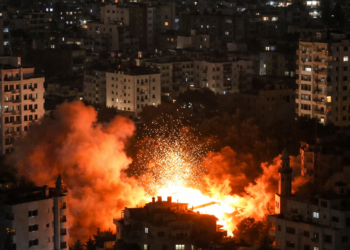
As the conflict between Israel and Iran enters its fourth week, the economic fallout is rippling across the globe. Heating bills are soaring in Yorkshire. Schools are closing in Pakistan. Factories in South Korea are bracing for a chipmaking crisis.
But amid the catalogue of losers, a few unexpected winners are emerging. And one of them—Russia—has not fired a single shot in this war.
Winners: Russia, Norway, and Canada
When oil prices spike, producers typically win. But this is not your usual oil price shock.
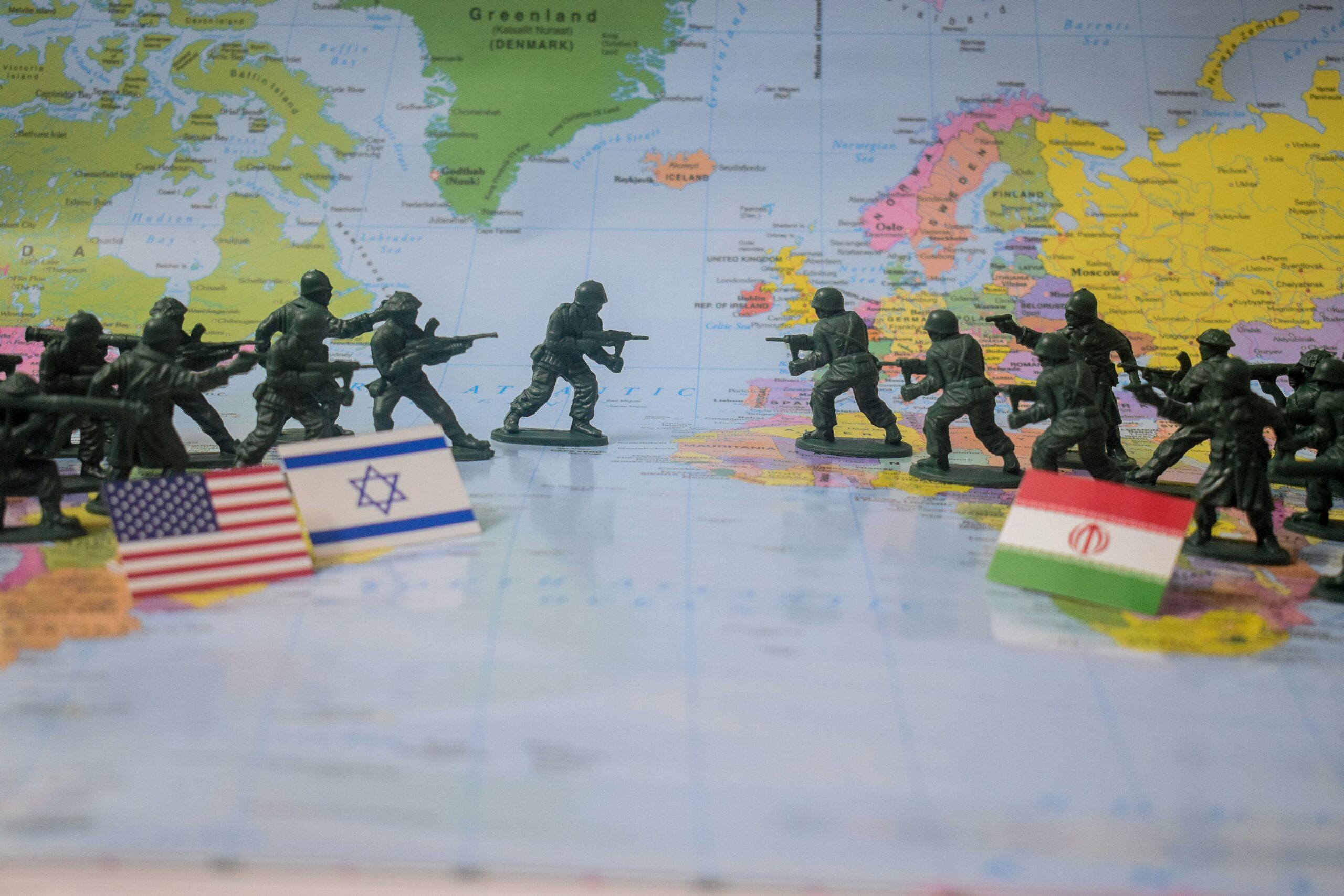
The Strait of Hormuz—the narrow Gulf chokepoint through which nearly 20% of global oil passes—is effectively closed. Gulf producers like Qatar and Saudi Arabia have been hit hard as Iran targets America’s allies. Tankers are being diverted. Production at Qatar’s Ras Laffan industrial hub, one of the world’s largest LNG export facilities, has been shut down since early March after Iranian missile attacks caused “extensive damage.”
As customers scramble for alternative sources, the winners are those outside the Gulf.
Norway is already ramping up. After Russia invaded Ukraine in 2022, Oslo became Europe’s largest gas supplier, replacing Moscow’s pipeline flows. Now, with Middle Eastern supplies disrupted, Norwegian energy exports are set to soar again.
Canada is positioning itself as the stable alternative. Energy Minister Tim Hodgson has been quick to market his nation as “a stable, reliable, predictable, values-based producer of energy.” There are questions about how quickly it can raise production, but the pitch is landing.
But the biggest winner? Russia.
As Washington eases sanctions to cool global prices, Russian crude is flowing. India—which has been given a temporary green light to buy from Moscow—has ramped up purchases by 50%. Some estimates suggest Russia could earn up to $5 billion more by the end of March, putting Moscow on track for its biggest year of fuel-related revenues since 2022.
The irony is brutal: America, in its effort to contain Iran, is handing its biggest strategic rival a financial lifeline at the expense of its Gulf allies.
Losers: The US, UK, and Europe
President Trump insists that when oil goes up, the US “makes a lot of money.” It’s not that simple.
American oil producers could make tens of billions in extra revenues this year. But many are heavily exposed to the same Gulf disruptions they’re trying to bypass. ExxonMobil has operations at Qatar’s Ras Laffan. And after years of cutting capacity in the face of low prices, many shale producers cannot ramp up quickly.
More importantly, Americans are the world’s biggest per-capita consumers of oil and gas. From Midwest winters to the summer driving season, they are acutely vulnerable to price spikes. Economists at Oxford Economics warn that if oil prices surge to $140 and stay there, the U.S. economy risks shrinking.
Europe and the UK are in the same boat—worse, in some ways. Their reliance on imported gas means any disruption hits them directly. Market developments over the past few weeks could add roughly 0.5% to inflation later this year, as price increases filter through to fertilizer, shipping, and manufacturing costs.
The good news: the West is more energy-efficient than in the 1970s. But with oil and gas still making up more than half of UK energy consumption, drivers, households, and manufacturers remain exposed.
Governments are hesitant to offer large-scale bailouts. Their own finances are under fire, with bond markets threatening to add billions to the costs of already-indebted nations.
Asia’s Uneven Pain
Asia gets 59% of its crude from the Middle East. South Korea, a semiconductor superpower, gets 70%. Shares have slumped. Politicians have warned of risks to the chipmaking industry—South Korea produces more than half the world’s memory chips.
Elsewhere, the pain is more immediate. Fuel rationing, four-day workweeks, and school closures are now a reality in Sri Lanka, Bangladesh, and the Philippines.
But China and India have been somewhat insulated—through planning, diplomacy, and a willingness to buy from whoever will sell.
China is sitting on reserves equal to several months of usage and has reportedly ramped up purchases from Iran. India is taking advantage of the temporary green light to buy Russian crude.
What’s Next
Exactly what happens next depends on how long this war lasts. But one thing is already clear: the U.S., in launching this conflict, did not fully foresee its economic consequences.
The Gulf allies it sought to protect are losing revenue. The rivals it sought to contain—Russia and China—are gaining influence and economic leverage. And ordinary people, from Yorkshire to Seoul to Karachi, are paying the price.
If the war is protracted, the risk is not just damage to individual countries, but contagion. And the winners—those who fired no missiles at all—may end up controlling the future of global energy.