

In a sweeping new border proposal that privacy advocates warn could cripple digital rights and deter tourism, the United States is quietly moving to demand five years of private social media history from millions of foreign tourists before they even set foot in the country.
A new document filed by Customs and Border Protection (CBP) and the Department of Homeland Security (DHS) outlines a radical expansion of screening for visitors from roughly 40 allied nations—including the UK, France, Australia, and Japan—who currently enjoy visa-free travel. The plan would turn the simple Electronic System for Travel Authorization (ESTA) into a deep digital background check, requiring applicants to hand over a half-decade of their online lives.

A New Digital Border Wall
The proposal, buried in the official Federal Register, goes far beyond social media. It would also mandate the collection of: Every telephone number used over the last five years, every email address used over the last ten years, and expanded information about an applicant’s family members.
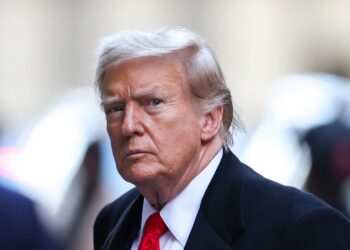
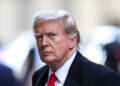
The text cites a January executive order from President Donald Trump titled “Protecting the United States From Foreign Terrorists and Other National Security and Public Safety Threats.” It follows existing policies that require social media disclosures from student and skilled worker visa applicants. A senior State Department official defended the approach, stating, “It is an expectation from American citizens that their government will make every effort to make our country safer.”
“Exacerbate Civil Liberties Harms”
Digital rights organizations are sounding the alarm, calling the plan a massive overreach that will have a chilling effect. “It could exacerbate civil liberties harms,” Sophia Cope of the Electronic Frontier Foundation told the New York Times. Immigration experts warn that it will lead to longer processing delays and act as a significant deterrent to travel.
The timing is particularly sensitive. The U.S. is preparing for a major influx of visitors for the 2026 FIFA World Cup and the 2028 Los Angeles Olympics. This policy could directly impact the success of these global events and further harm an already struggling tourism sector.
Why It Matters
This digital border fortification is part of a broader Trump administration effort to toughen entry requirements. Officials recently signaled an expansion of the existing travel ban affecting 19 countries, following a shooting attack in Washington, D.C. The administration has also dramatically hiked fees for skilled worker visas.
The economic impact is already being felt. The World Travel & Tourism Council predicts the U.S. will be the only major economy to see a decline in international visitor spending in 2025. Canadian travel to the U.S., which traditionally accounts for a quarter of all visitors, has declined for ten consecutive months amid boycotts over Trump’s tariffs—a loss of billions in annual revenue.
The public has 60 days to comment on the proposal. But the message from the administration is clear: the new price of entry to America may soon be your most private digital self.