
Trade tensions between the United States and Canada have intensified after negotiations between both countries broke down, with agricultural machinery manufacturers and farmers facing fresh uncertainty from retaliatory tariffs.
Talks between Washington and Ottawa collapsed on August 21, shortly before new US tariffs came into effect. Canadian officials said the US had introduced additional demands during the negotiations, including restrictions relating to French-language use and provisions that would have given Washington broad powers to block Canada from entering trade agreements with other countries.
Canadian Prime Minister Mark Carney said the demands made an agreement impossible.
“While we believed, earlier this week, that we were moving toward a mutually beneficial agreement, in recent days, the U.S. proposed new terms that were uneconomic, unfair, and undermined the net benefits to Canada, calling into question the reliability of any deal. In short, they asked too much and offered too little,” Carney said.
In response, Canada announced approximately $20 billion in retaliatory tariffs on selected American products, with the measures scheduled to take effect on September 8.

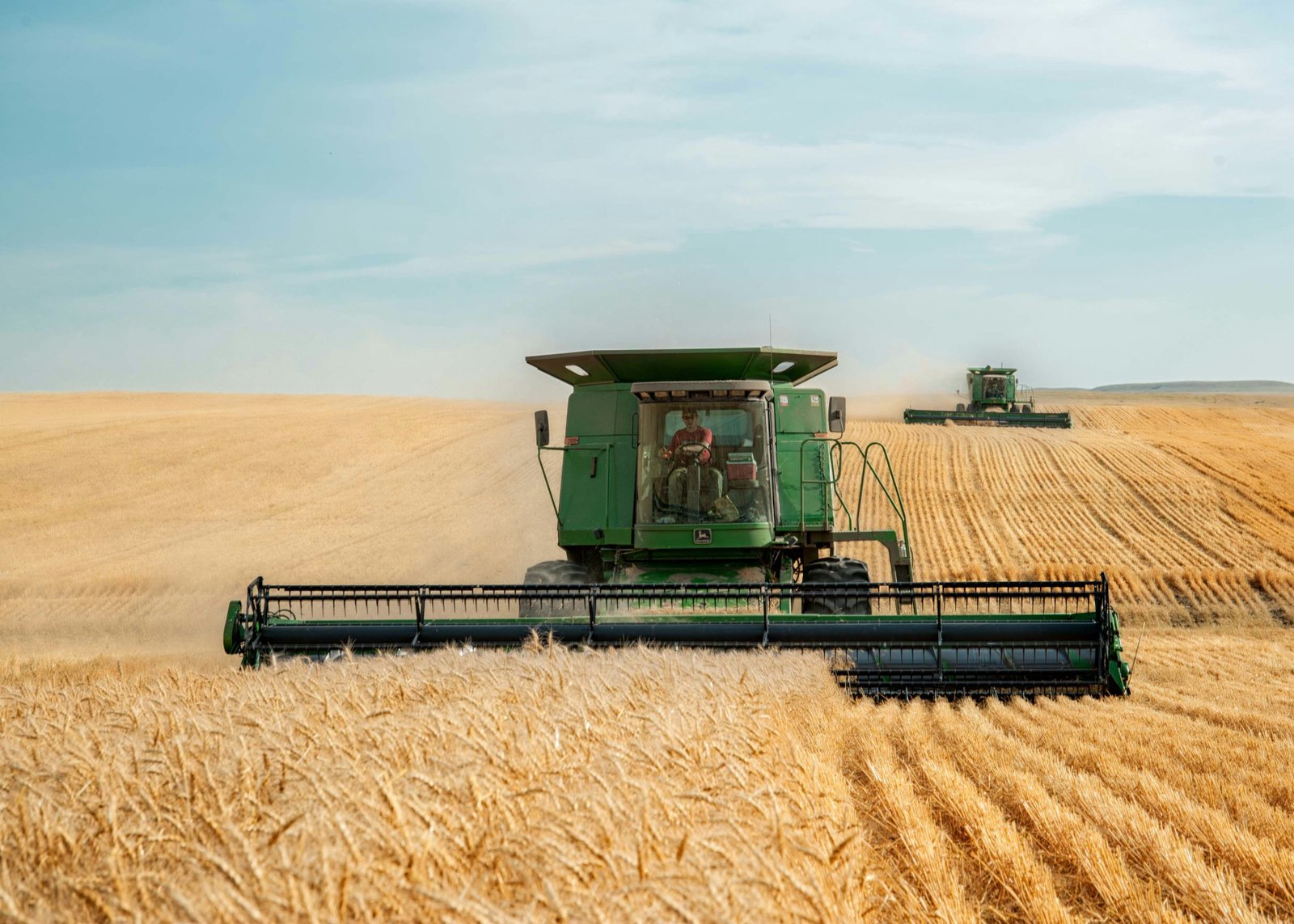
The affected agricultural machinery includes combines and header components, some mowing and hay equipment, livestock transporters, agricultural semi-trailers and other specialised machinery. Certain US dairy and steel exports are also covered.
Carney said the measures were designed to match the US tariffs on the affected Canadian goods.
“We take this step reluctantly. Reluctantly, because we recognize that it will raise costs and reduce choice for Canadians. Reluctantly, because we recognize that some U.S. companies and states are innocent bystanders in a dispute they did not want. Reluctantly, because this trade dispute is preventing Canada and America from doing so much good that we could do together,” he said.
The latest escalation comes at a difficult time for the agricultural machinery industry, which is already dealing with weak farm incomes and rising production costs.
Manufacturers are also facing the wider economic effects of US tariffs imposed on other countries and disruptions linked to the conflict involving Iran. Higher oil and fertiliser prices have added further pressure on farmers and agricultural businesses.
The new tariffs could have a significant impact because the US and Canadian agricultural machinery industries are closely connected. Manufacturers on both sides of the border depend heavily on components and supplies from the neighbouring country.
As a result, equipment and parts could face additional costs whenever they cross the US-Canada border. Tariffs on steel could further increase manufacturing expenses, putting additional pressure on farmers who are already dealing with higher operating costs.
American manufacturers could be particularly affected because the US exports considerably more agricultural equipment to Canada than it imports. The difference is estimated at about $5.5 billion.
Equipment manufacturers have been attempting to absorb some of the additional costs, but companies have warned that there is a limit to how much of the tariff burden they can carry.
During CNH’s August earnings call, Chief Financial Officer Jim Nicholas said tariffs were offsetting some of the financial benefits the company had achieved through operational improvements.
The dispute has also raised concerns about the future of the broader US-Canada trade relationship.
Carney said Canada would seek to strengthen its commercial relationships with other parts of the world rather than rely heavily on the US market.
“Over the next six months, we will double that number through new trade deals, from ASEAN to India,” Carney said. “This fall, we will begin discussions with the European Union — the world’s second-largest economy — to build a much stronger and deeper security and economic partnership.”
Trump, meanwhile, defended his administration’s approach and argued that Canada remains heavily dependent on the US economy.
“Without the United States, Canada could not survive. Canada sends roughly three-quarters of all its goods exports to America — and the U.S. market is where Canada gets the overwhelming majority of its money and economic oxygen,” Trump said.
The White House subsequently accused Canada of choosing retaliation instead of negotiation and compared Ottawa’s approach to that of China.
One of the central issues in the dispute is Canada’s restrictions on US dairy imports. Washington has criticised Canada’s tariff-rate quota system, under which a limited quantity of American dairy products can enter without tariffs, while products exceeding the quota face duties ranging from about 250% to 390%, depending on the product.
The US dairy industry has largely supported Trump’s tougher trade measures, while agricultural machinery organisations have strongly opposed the escalating tariffs.
Kip Eideberg, senior vice president of government and industry relations at the Association of Equipment Manufacturers, warned that the dispute was putting deeply integrated supply chains at risk.
“The United States and Canada have built the world’s most integrated manufacturing ecosystem, supporting jobs, driving investment, and powering economic growth across North America. Continued trade uncertainty and escalating tariffs create serious challenges for manufacturers and businesses that depend on cross-border supply chains. We urge U.S. and Canadian officials to return to the table, get the tariffs removed and strengthen the USMCA,” Eideberg said.