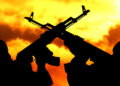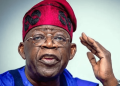


Nigerian authorities have confirmed that a group of officers will face trial for allegedly plotting to overthrow the government of President Bola Tinubu—a government whose own policies are widely seen as creating the very conditions that fuel such instability.
The Armed Forces arrested 16 officers last October but publicly dismissed rumors of a coup, attributing the detentions only to vague “acts of indiscipline and breaches of service regulations”. After a three-month investigation, the military now states some of these officers will be tried for plotting to overthrow the state.
The shift from a minor internal matter to the gravest crime of treason raises immediate questions: was the initial story a containment strategy, or has the definition of their alleged crimes evolved under political pressure to present a firm response to dissent?
A military spokesman stated that trying to unseat an elected government was “inconsistent with the ethics, values and professional standards” of the service. Yet, a glaring legal contradiction undermines this process.
Prominent human rights lawyer Frank Tietie has warned that the Nigerian military lacks jurisdiction to try anyone for treason or coup plotting, arguing such charges must be handled by civilian courts. This suggests the trial may be more about demonstrating control and delivering punishment within a closed military system than upholding the rule of law.
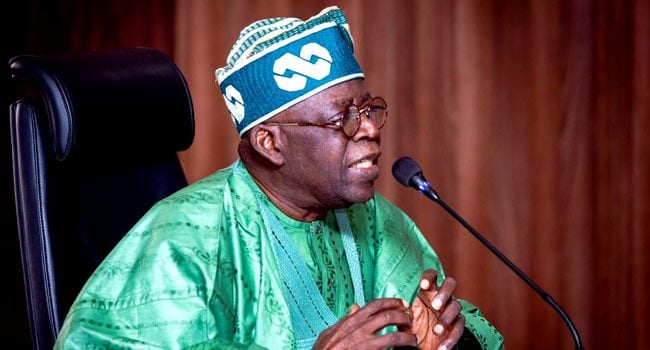
Worsening Hardship and a Crackdown on Dissent
The trial unfolds against a backdrop of severe public discontent. Analysts and reports directly link the alleged plot to “worsening hardship due in part to the government’s austerity measures”. President Tinubu’s controversial economic reforms, including the removal of fuel subsidies and the floating of the national currency, have triggered a severe cost-of-living crisis, with inflation soaring above 30% before a recent decline. Despite official claims of “steady economic progress,” many households still struggle to afford basic food and commodities.
Instead of addressing these grievances, the Tinubu administration has intensified a crackdown on those who voice them. In a stark example, Nigerian authorities have charged peaceful protesters with treason—a crime that carries the possible death penalty.
Human Rights Watch condemned this, stating the government is “sending a troubling message about their intolerance for dissent” by equating protest with an attempt to overthrow the state. This pattern of suppressing opposition creates an atmosphere where discontent, unable to find a peaceful outlet, may fester dangerously within other institutions, including the military.
A Military Under Dual Strain
The Nigerian military itself is buckling under the strain of being the primary instrument for tackling the nation’s multi-front security crises—from jihadist insurgencies to rampant banditry. This operational burnout, combined with the same economic hardships plaguing civilians, creates a dangerous pressure cooker within the ranks. Experts note that such pressures “put the spotlight on discipline within the armed forces”.
The trial also unfolds amid a regional coup epidemic in West Africa, where soldiers have seized power in Mali, Burkina Faso, Niger, and Guinea in recent years, often citing failures of civilian governance as justification. While the African Union’s inconsistent enforcement of its own anti-coup rules has inadvertently made military takeovers more attractive, Nigeria has positioned itself as a democratic bulwark against this trend.
The closed-door military tribunal will render a verdict on the accused officers. But its proceedings, legally questionable and set against a climate of economic pain and suppressed dissent, will also serve as an indirect indictment of a political establishment whose governance has pushed the nation—and the soldiers sworn to defend it—to a breaking point.