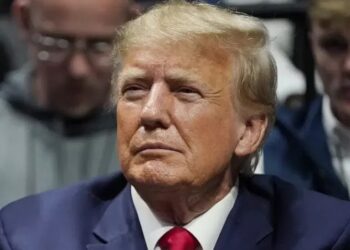

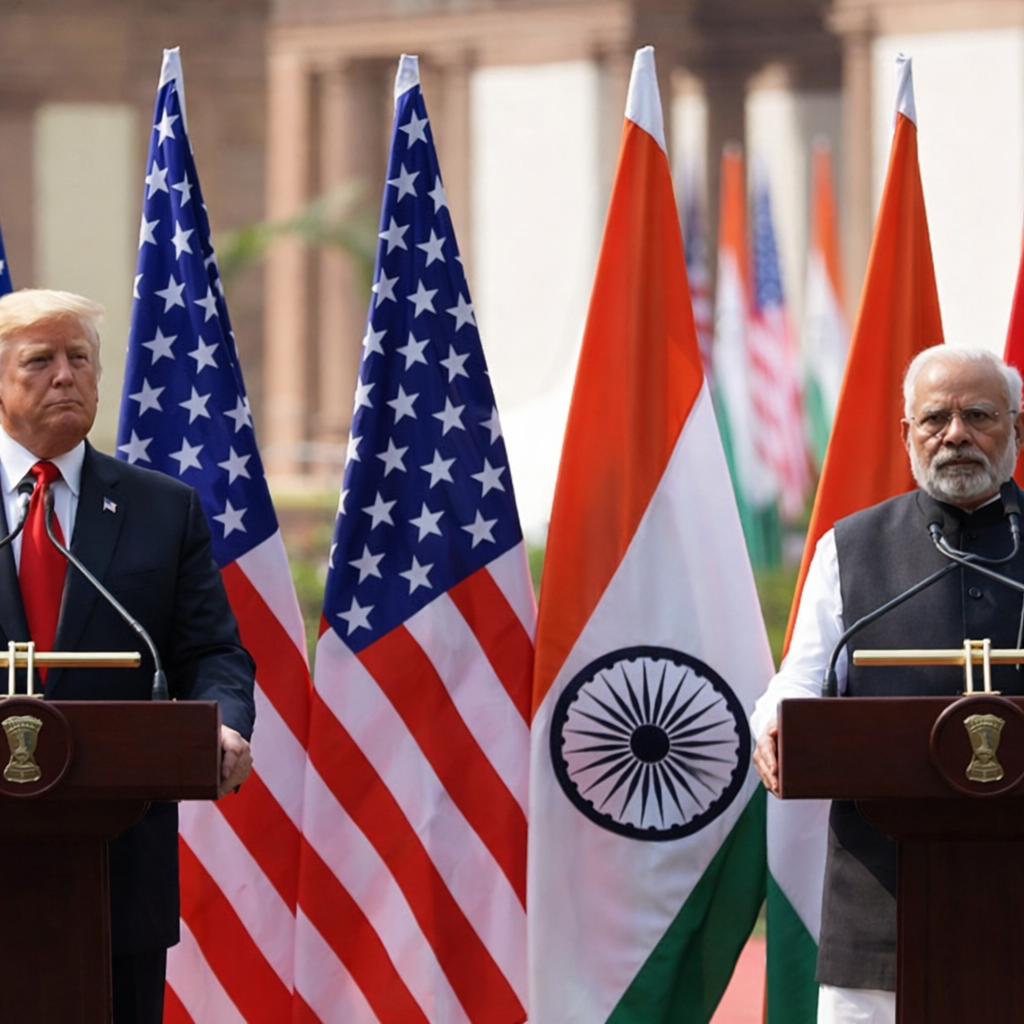
The trade fight between the United States and India has taken a sharp turn. What started as one of the toughest tariff actions by President Donald Trump has now ended with a deal that clearly favours Washington. India gets lower tariffs. The U.S. gets what it wanted on oil.
This shift did not happen quietly. It followed months of pressure, rising duties, and public warnings from Trump. In the end, the message was simple: change course, or pay the price.
How Pressure Became Policy
Trump confirmed that the U.S. had agreed on a trade deal with India. The key part is the tariff cut. Duties on Indian products going into the U.S. will drop to 18%, down from 25%. That is a big relief for Indian exporters.
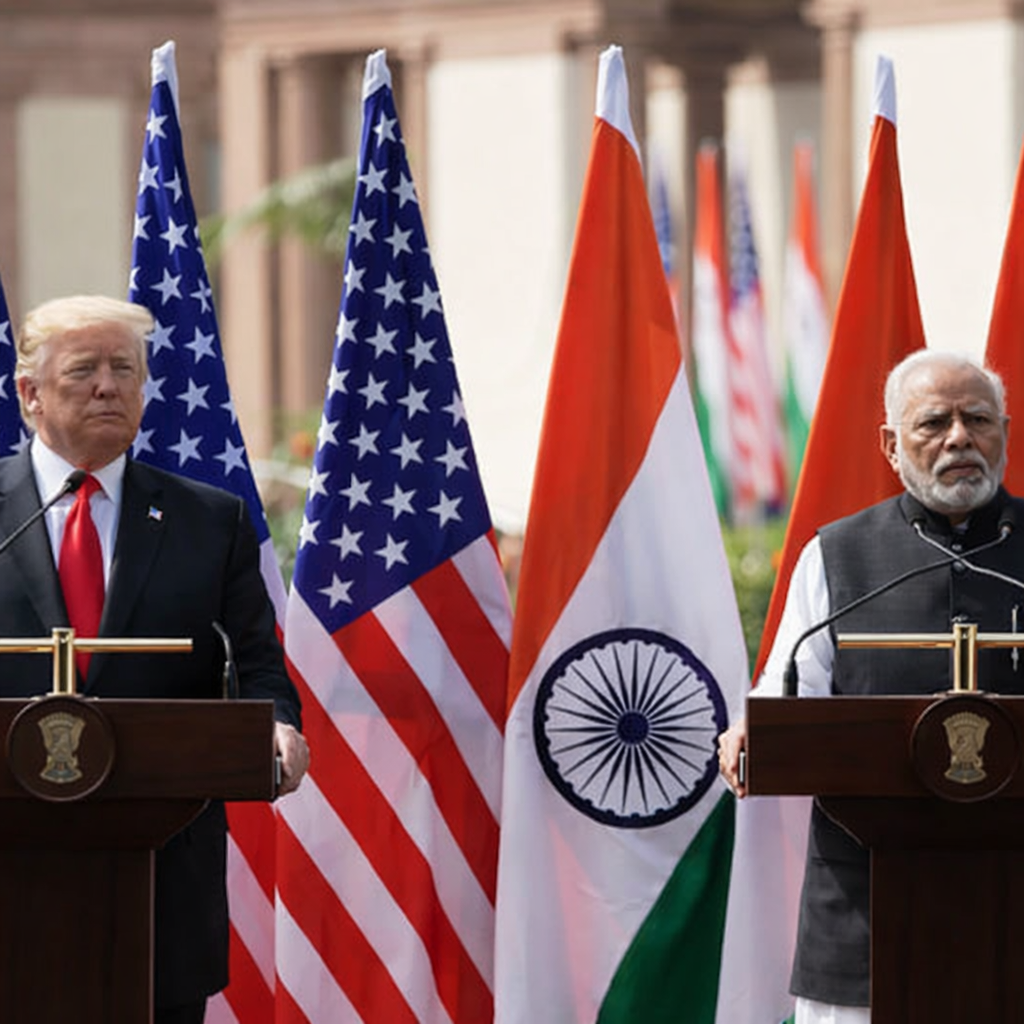
Indian Prime Minister Narendra Modi welcomed the announcement and described it as “wonderful.” But the tone of the deal suggests this was not a friendly handshake. It was the result of sustained pressure.
Trump said clearly that Modi agreed to stop buying Russian oil. Once that condition was met, Washington moved fast to ease trade penalties.
The Oil Issue That Changed Everything
The heart of this story is oil. Trump had repeatedly warned India over its continued purchase of Russian oil. To him, this was not just a trade issue but a political one.
At one point, the U.S. imposed a separate 25% tariff penalty tied directly to India’s oil dealings with Russia. That penalty has now been dropped.
A Timeline of Escalation
The road to this deal was rough and deliberate. In April 2025, the U.S. imposed a 26% “reciprocal tariff” on several Indian imports as part of Trump’s wider tariff actions. Days later, Trump paused the move for 90 days but kept a 10% duty in place.
By July 31, the pressure returned. Trump announced a 25% tariff on all Indian goods and warned of penalties if India kept buying Russian oil.
On August 7, the hammer fell harder. Tariffs were raised to 50%, the highest imposed on any U.S. trade partner. The reason was clear: India had not changed its oil policy.
Now, with India agreeing to stop buying Russian oil, tariffs have dropped sharply.
Who Really Won?
On paper, both sides can claim success. India avoids crushing tariffs. The U.S. secures a major policy shift.
But the balance of power is clear. The tariffs were imposed, raised, and removed on U.S. terms. India reacted at every stage. Trump applied pressure, waited, and then eased off once he got the outcome he wanted.
This is classic Trump trade strategy: push hard, escalate fast. Offer relief only after compliance.
A Signal to Other Countries
This deal sends a message far beyond India. It tells other countries that U.S. trade policy under Trump is closely tied to political loyalty and global alignments.
Tariffs are no longer just economic tools. They are leverage. And oil, especially Russian oil, is now firmly part of the equation.
For India, the immediate pain is over. For the rest of the world, the lesson is clear: under Trump, trade comes with conditions, and the cost of saying no can be very high.