During a pre-recorded video address celebrating America’s 250th birthday at an event in Brussels, the administration openly celebrated an encrusted, custom-made piece of gold jewelry. However, according to multiple government oversight watchdogs, Trump has broken ethics rules with this lavish Belgian diamond ring acceptance by ignoring long-standing White House customs designed to prevent foreign entities from using ostentatious gifts to curry favor or reward favorable trade policies.
The custom-built token was crafted by Antwerp designers and formally presented to the U.S. Ambassador to Belgium, Bill White, to deliver directly to the president.
Anatomy of the “Freedom 250” Ring
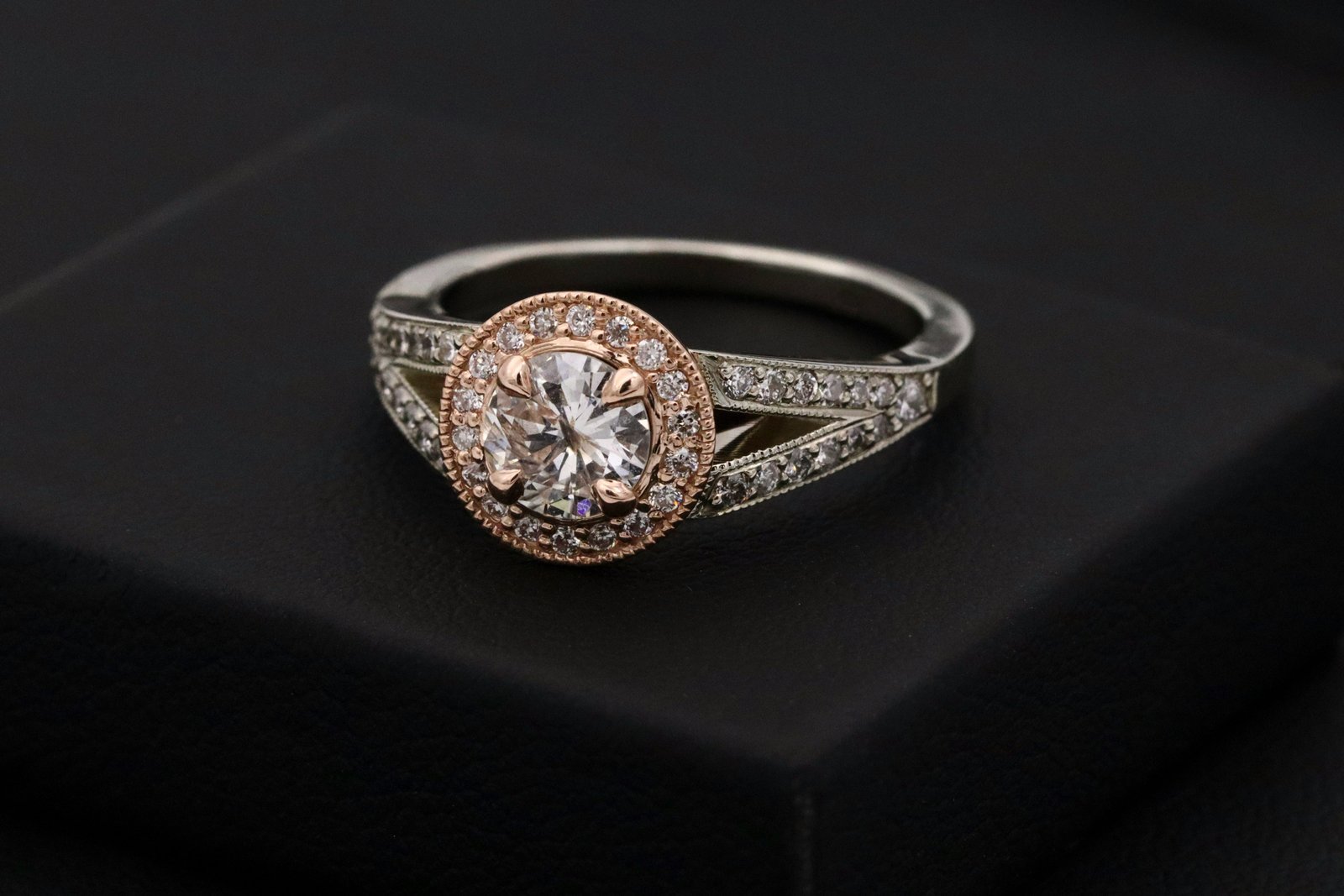
The gold piece features a massive, watch-sized design that explicitly references the president’s political branding and the nation’s semiquincentennial milestone. According to independent luxury jewelers, the item’s material and labor value is estimated between $25,000 and $33,000.
The exterior is heavily encrusted with 321 natural diamonds, 56 sapphires, 13 emeralds, and six rubies. Dozens of diamonds spell out twin letter “T” insignias alongside the Stars and Stripes, the historical markers “1776” and “2026,” and a diamond-winged eagle carrying a ruby shield. The numbers “45” and “47” are framed by diamonds inside the shape of a Superman logo, while the interior is personally engraved with “Crafted in Antwerp for Donald John Trump.”
The Tariff Relief Connection
The controversy surrounding the piece goes far beyond its garish aesthetics. The gift was officially presented by Isidore Mörsel, the president of the Antwerp World Diamond Center (AWDC), on behalf of the Belgian city’s historic diamond hub. Crucially, the luxury token arrived just months after the AWDC successfully secured a zero percent import tariff rate on its annual export of more than $2 billion worth of polished diamonds to the United States.
While the AWDC maintains it did not engage in formal, direct lobbying of the White House, the group admitted it provided significant “input” to the European Commission during intense trade negotiations. Because the president possesses unilateral authority to accept or reject personal gifts, government oversight experts argue that the decision to accept a massive diamond piece from an industry that just won a major trade victory breaks foundational ethical guidelines, creating a troubling appearance of a quid pro quo.
My Opinion
It would be easy to dismiss this entire situation as just another piece of over-the-top, gilded celebrity merchandise, but the truth is that Trump has broken ethics rules with this lavish Belgian diamond ring acceptance. When a multi-billion-dollar foreign industry hands a custom, diamond-encrusted piece of jewelry to a sitting U.S. president, just months after that same industry secured a zero-percent tariff relief package, it completely crosses the line from a friendly diplomatic gesture into a blatant display of corporate influence.
The core problem here isn’t the physical ring itself; it’s the transactional precedent it sets for international trade. For decades, White House ethics rules and custom dictated that presidents avoid accepting high-value personal gifts from foreign industries to protect the absolute integrity of American trade policies. The Foreign Emoluments Clause exists precisely to ensure that foreign powers and overseas corporate cartels cannot buy access or reward policy decisions with luxury items.
By accepting this “Freedom 250” ring, the administration signals to every foreign trade group on earth that American economic policy can be flattered, massaged, and celebrated with ostentatious tribute. If a steel conglomerate, a foreign oil cartel, or a luxury automotive manufacturer wants tariff exemptions, the blueprint is now out in the open: fund a massive gala, hire a high-end designer, plaster the president’s name in 18-karat gold, and present it on a global stage. This degrades the office of the presidency, turning public policy into an arena where foreign access is bought with the flash of a diamond.
Bottom Line
While the White House has noted that the piece has not yet been physically slipped onto the president’s finger, the administration’s public praise for the item has already cemented the ethical breach.