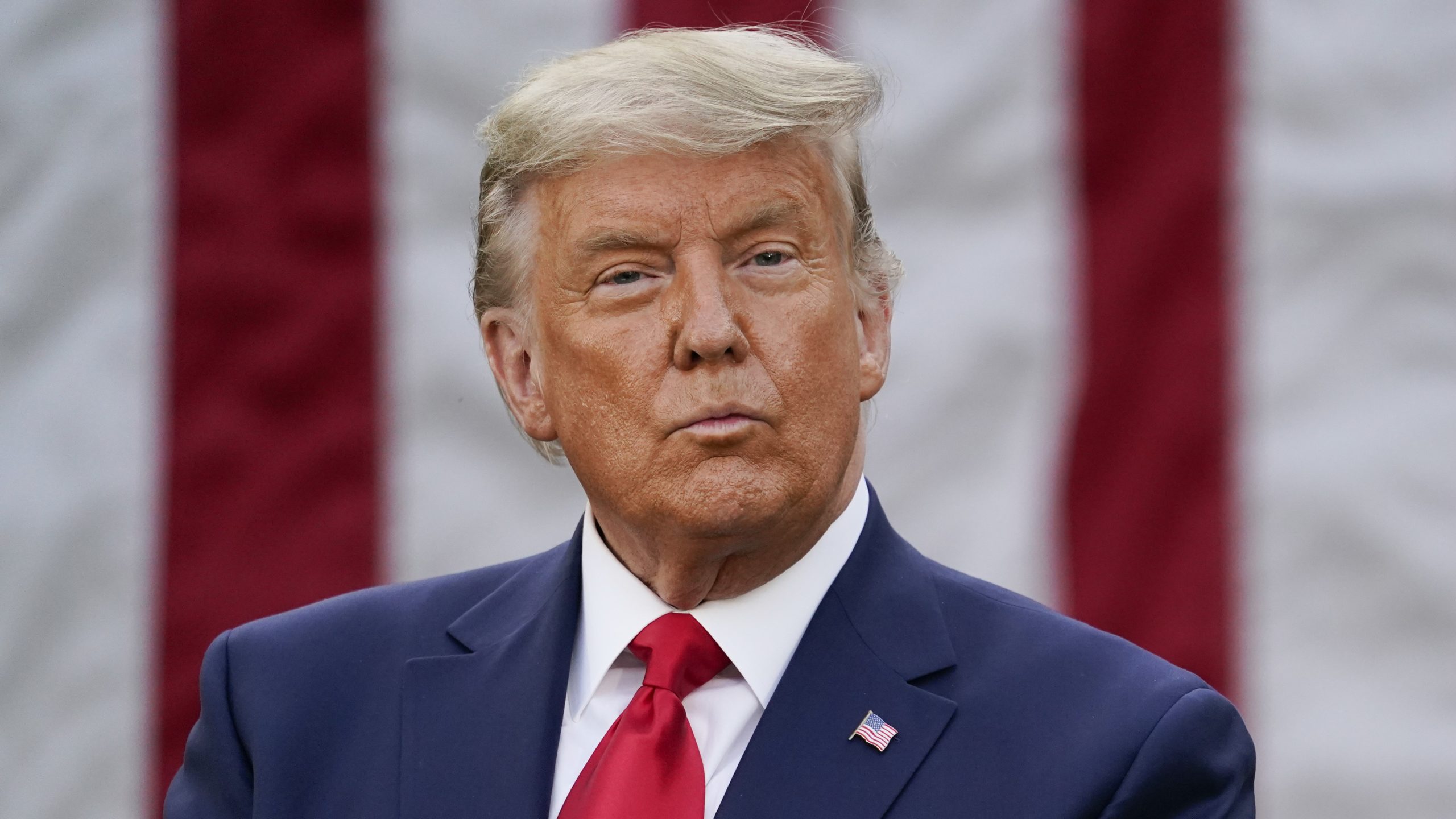

The Middle East war that erupted in February remains on a razor’s edge on Saturday as Trump eyes a permanent Iran deal as strikes loom over the Strait of Hormuz and surrounding flashpoints. In a Saturday phone interview with Fox News, U.S. President Donald Trump said he is pursuing a “permanent” agreement with Iran designed to block it from ever obtaining a nuclear weapon, even if future U.S. presidents prove less firm. Yet the push for a lasting settlement comes alongside mixed signals on military action: while Trump told an Israeli television network on Thursday that he is “not rushing” and could wait until 2027 to decide his next move, sources told CBS News that the United States and Israel are weighing a potential near-term assault as concerns grow over Iran rebuilding missile production and moving sensitive sites underground.
Maritime Clashes, Regional Diplomacy, and Escalation Across Fronts
Nearly nine months into the conflict, fighting and diplomatic maneuvering are unfolding simultaneously across several fronts.
Two commercial tankers were struck in the Strait of Hormuz on Saturday, according to British maritime monitor UKMTO, one on the stern and another in its engine room, following a Friday projectile hit on another outbound vessel and a U.S. strike on an Iranian missile site on Qeshm Island earlier in the week. Iranian state media also claimed on Saturday that forces shot down a U.S. drone over Qeshm Island.
Iranian Deputy Foreign Minister Kazem Gharibabadi said a Qatari delegation held two hours of talks in Tehran on Friday evening, while Foreign Minister Abbas Araghchi said regional talks should be given a chance even as he insisted the U.S. blockade of the Strait of Hormuz must be lifted and Iran’s conditions met before reopening the waterway.
Saudi-led coalition air defenses intercepted three Houthi ballistic missiles aimed at Riyadh early Saturday after two on Friday targeted Jazan, following coalition strikes on Houthi-held Hodeidah and a Houthi warning against Saudi Arabia’s financial district.
In the U.S., a war powers resolution aimed at curbing Trump’s authority to strike Iran failed in the Senate by a 51 to 48 vote on Thursday, while Gold Star families voiced frustration over briefings ahead of a forthcoming Pentagon report on the March 1 Port Shuaiba drone strike that killed six U.S. Army Reserve soldiers. Meanwhile, Israeli opposition leader Gadi Eisenkot, tasked with forming a new government to replace Prime Minister Benjamin Netanyahu, warned on Friday against letting coalition talks drag on as Netanyahu pushes for aggressive action against Iran.
High Stakes Between Diplomacy and Another Wave of Strikes
With global energy shipping still disrupted in the Strait of Hormuz and indirect negotiations repeatedly stalling, the gap between grand diplomatic ambitions and renewed military escalation remains narrow. For now, Trump eyes a permanent Iran deal as strikes loom, leaving regional governments, shipping companies, and civilians bracing for whichever path Washington and its partners take next.
My View
Talk of a “permanent” deal sounds reassuring in headlines, yet nine months of widening conflict have already shown how easily military escalation spirals beyond anyone’s neat timetable.
When shipping lanes in the Strait of Hormuz are hit, missiles fly toward capital cities, and rival governments accuse one another of bad faith, ordinary families in Iran, Israel, Yemen, Saudi Arabia, and across the wider region pay the heaviest price in lost lives, displacement, and economic shock. Threatening fresh strikes while holding talks hostage to maximalist demands rarely produces lasting stability; it usually breeds another cycle of retaliation.
Real security requires serious, verifiable diplomacy backed by credible restraint rather than treating regional crises as a stage for political showmanship. Until leaders prioritize durable de-escalation over endless brinkmanship, peace in the Middle East will remain out of reach.