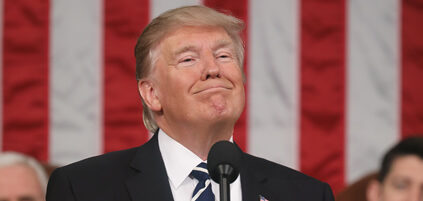

US President Donald Trump’s highly anticipated visit to China wrapped up this week. While the summit appeared to be more about “vibes than details,” it yielded a major victory for Beijing: President Trump confirmed he is freezing a $14 billion Taiwan arms deal, using it as a “negotiating chip” to secure trade concessions from Chinese leader Xi Jinping.
Xi Sets the Tone
For Beijing, the three-day state visit was a resounding diplomatic success. Chinese officials carefully crafted a spectacle of pomp and pageantry, including a military gun salute and a rare tour of the secretive Zhongnanhai leadership compound, designed to appeal to the American president.
The strategy worked. Trump brought a phalanx of top American CEOs to “pay their respect” to China, explicitly praising the bilateral relationship as one of the “most consequential” in world history. This public deference allowed Xi to project China as an absolute global equal to the United States, boosting his standing both domestically and abroad.
The Taiwan “Negotiating Chip”
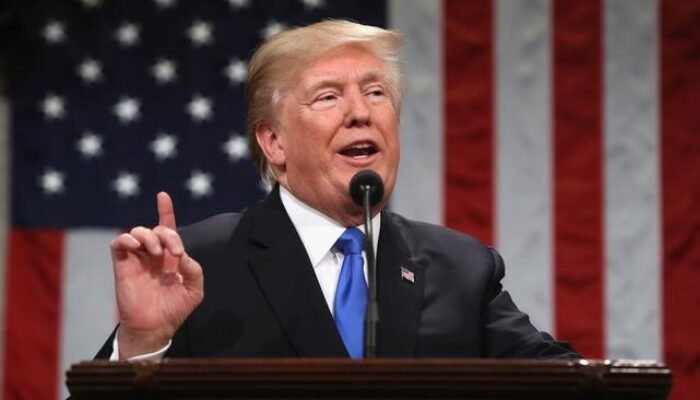
The most tangible and controversial fallout from the summit centers on Taiwan. Xi Jinping used his FaceTime to reiterate that Taiwan remains China’s ultimate “red line” issue, warning that mishandling it would place the entire US-China relationship in “great jeopardy.” Congress approved a $14 billion arms package for Taiwan back in January. However, in an interview following the summit, Trump confirmed the deal is being held “in abeyance.”
Trump explicitly stated that the defense package “depends on China” and called it “a very good negotiating chip” to leverage better terms in the ongoing US-China trade and tech frictions. When questioned about a 1982 US assurance that dictates Washington will not consult Beijing on Taiwan arms sales, Trump shrugged off the historical precedent, quipping that the 1980s were “a long way” away.
Trump expressed reluctance to get involved in a distant conflict, stating, “I’m not looking to have somebody go independent, and you know we’re supposed to travel 9,500 miles to fight a war… I want them to cool down.”
A New Era of “Strategic Stability”
Following the talks, Beijing announced a new era of “constructive strategic stability” between the two superpowers, shifting the narrative away from last year’s volatile, tit-for-tat trade war.
A predictable relationship buys crucial time for Beijing to advance its technological and military rise without the immediate threat of sudden US tech controls or tariffs. Furthermore, the pause in tensions provides relief to the global economy, which suffered last year when Beijing retaliated against US tariffs by tightening its grip on the global supply of strategically critical processed rare earth materials.
US Secretary of State Marco Rubio defended the shift, stating that the US agreed with the emphasis on stability “so that we don’t have misunderstandings that can lead to broader conflict.”
Trading Alliances for “Vibes” and Trade Deals
There is a dangerous transactionalist approach at play here that should make every democratic ally of the United States deeply uncomfortable. Freezing a legally mandated, $14 billion defensive arms deal to a self-ruling democracy like Taiwan just to buy “good vibes” and vague trade concessions from Beijing is a massive trouble loading.
Treating national defense and long-standing statutory obligations (like the Taiwan Relations Act) as mere “negotiating chips” completely erodes American credibility. Trump thinks he is being a master businessman by using the freeze to lower tariffs or secure market access, but Xi Jinping is playing a much longer game.
By allowing Beijing to dictate the boundaries of “strategic stability,” the US is essentially giving China a green light to bully its neighbors, provided American businesses get a temporary break.