
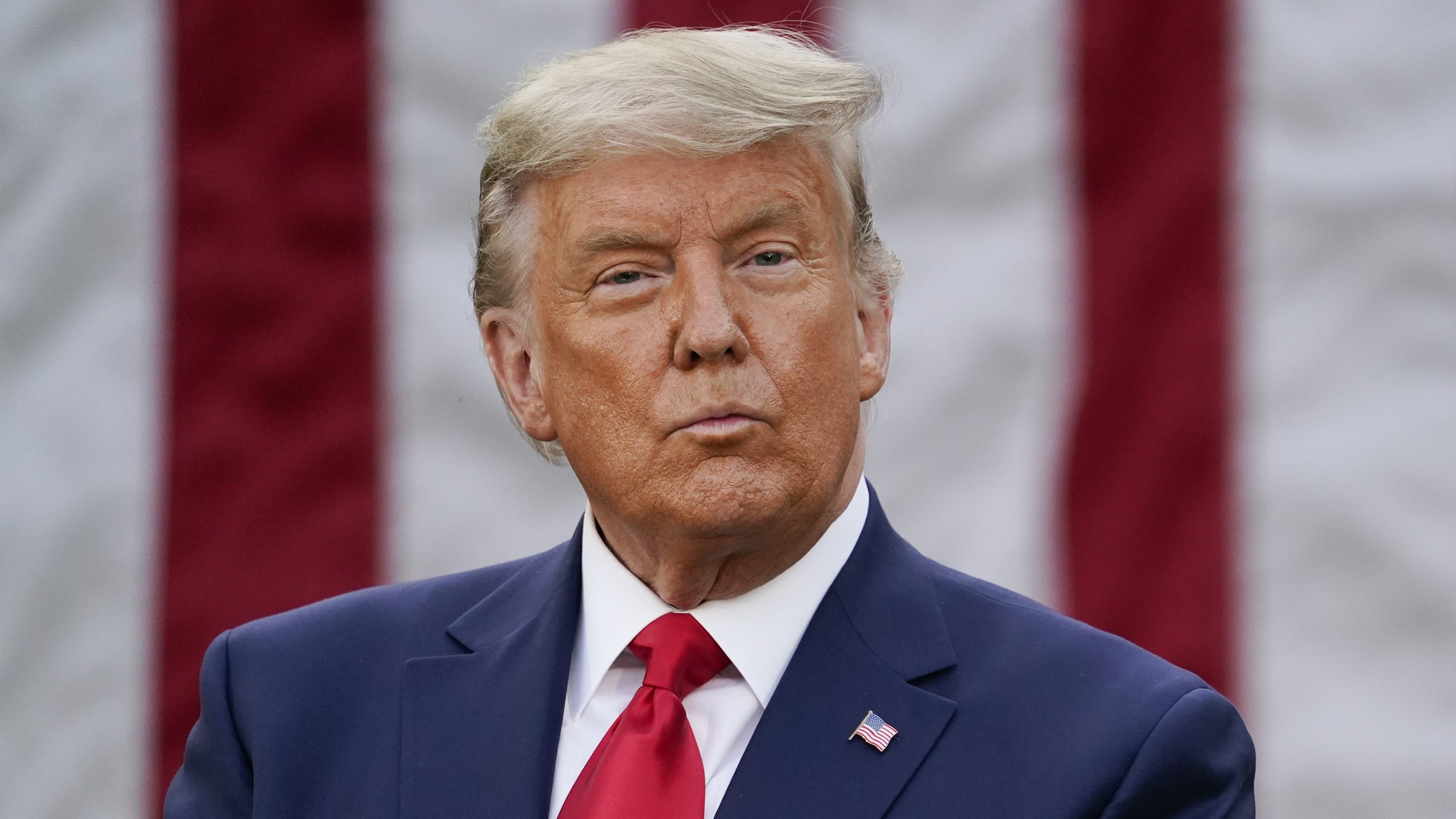
The United States is stepping deeper into Gaza’s politics as President Donald Trump is expected to announce a Palestinian technocratic committee to run the war-damaged territory, sources say, moving ahead with a plan that has already stirred tensions. This decision comes after months of violence, ceasefire deals, and stalled negotiations.
A Technocratic Committee
Trump’s plan for Gaza is meant to be transitional. The 14-member committee will be led by Ali Shaath, a former deputy minister in the Palestinian Authority. Most members are from the private sector or NGOs, with some representing long-standing critics of Hamas.

The idea is to create a neutral administration, free of Hamas control, overseen by an international “Board of Peace.” According to Palestinian sources, both Hamas and Fatah have tentatively endorsed the committee, signaling a fragile consensus.
But this is not the same as handing control to local authorities. Some argue it is an external imposition, and Palestinians have little say in who runs their home. Trump’s influence is clear, and it raises questions about sovereignty and fairness.
Phase Two of A Shaky Plan
The Gaza plan has already faced problems. The first phase involved a ceasefire and hostage release, but both sides accuse each other of violations. Israeli airstrikes continue to kill civilians, Hamas refuses to disarm, and one final Israeli hostage remains unreleased.
Trump now wants to move forward with phase two, establishing the committee and planning for peacekeeping forces. Yet, the reality on the ground is messy: disarmament is not agreed, and border crossings remain restricted.
Analysts believe this second phase risks being mostly symbolic if the underlying conflict is not addressed. Simply putting a committee in place does not solve decades of tension, and it may deepen resentment among Palestinians.
Regional Actors Watch Closely
Egypt has confirmed the Palestinian committee and insists that Gaza must remain united with the West Bank. Cairo opposes any division, reflecting broader concerns about Palestinian sovereignty.
European diplomats expect announcements soon, possibly at the Davos forum, signaling that the international community is keen to back the process. But support from abroad does not erase the reality on the ground: Palestinians are living amid destruction, displacement, and uncertainty.
Questions of Legitimacy and Control
The technocratic committee is a clever solution on paper. It promises a neutral administration, links Gaza institutions with the Palestinian Authority in the West Bank, and could pave the way for reconstruction.
Yet, in practice, Trump’s role highlights the imbalance of power. The committee is not chosen by Palestinians themselves but by a U.S.-backed plan. The move may stabilize Gaza temporarily, but long-term legitimacy is uncertain.
Many warn this approach risks creating a government that is technically functional but politically detached, leaving ordinary Palestinians feeling sidelined while foreign powers dictate their future.
What This Means for Gaza
Trump Moves to Pick Gaza’s Next Rulers at a time when the region is fragile. The committee may offer temporary governance, but it cannot replace real political solutions or resolve core disputes between Hamas, Fatah, and Israel.
For now, Palestinians are left with a complicated reality: an international plan that claims to help, but whose ultimate success depends on trust, compliance, and a peace process that remains fragile at best.
The coming weeks will show whether the technocratic body can deliver stability or if it will be seen as another layer of control imposed from outside. The people of Gaza, still living with the aftermath of war, will feel the consequences either way.