New sanctions imposed by US President Donald Trump’s administration on Iran have disrupted access to major English-language and graduate admission examinations used by Iranian students seeking to study overseas.
The affected examinations include the Test of English as a Foreign Language (TOEFL) and Graduate Record Examination (GRE), both administered by the Educational Testing Service (ETS). The exams are widely required by universities and graduate programmes in English-speaking countries and other parts of the world.
The Duolingo English Test, another increasingly popular option for international university applicants, has also halted testing for Iranian nationals who cannot register using citizenship from another country.
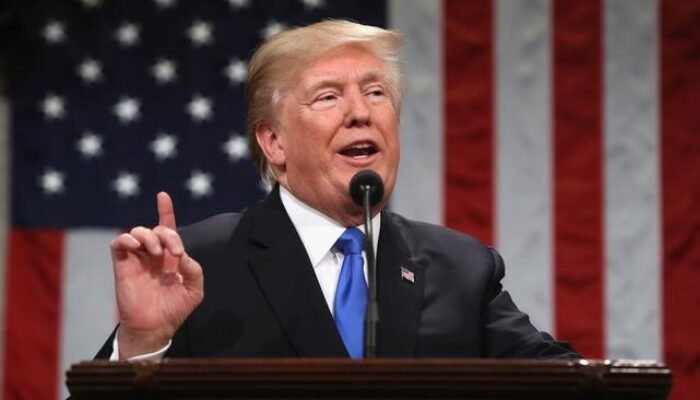
For many Iranian students, the cancellations have created uncertainty around applications they have spent months preparing for. Some students say the measures are particularly painful because they are attempting to build educational and professional connections with the wider world.
Shahrzad, a 28-year-old Iranian whose TOEFL examination was cancelled this week, said the development had left her devastated. She requested that her surname not be published because of concerns about possible repercussions from Iranian authorities for speaking to foreign media.
“I feel like the right to strive for a better life — even the right to dream of one — has been taken away from me,” she said.
Shahrzad said she and her husband had spent 43 nights preparing for their TOEFL examinations after putting their young daughter to bed.
The couple had hoped to pursue further education in Europe and eventually establish a new life outside Iran. Shahrzad planned to study for an advanced degree in education, while her husband intended to continue his studies in mechanical engineering.
The suspension of the examinations has added another obstacle to Iranian students already facing significant challenges when attempting to study abroad.
For students like Shahrzad and her husband, the exams were not simply admission requirements but important steps towards their plans for education, career development and potentially a future outside Iran.
The restrictions have therefore generated criticism from students and advocates who argue that the sanctions could end up affecting ordinary Iranians seeking educational opportunities rather than directly pressuring the Iranian government.
With TOEFL, GRE, and Duolingo testing now restricted for Iranian applicants, students who have already invested substantial time and money in preparing for international education are being forced to reconsider their plans.