Ukraine and Moldova are expected to advance their EU membership ambitions on Monday, with both nations starting the opening phase of accession talks.
The beginning of formal negotiations, led by senior EU officials alongside ministers from Ukraine and Moldova in Luxembourg on Monday, marks a symbolic milestone for both nations, which were once part of the Soviet Union. The development comes as Russia continues heavy strikes on Ukrainian cities and towns, while incurring significant losses with minimal territorial advances.
Ukraine and Moldova became EU candidate countries in 2022, just days after they formally applied following Russia’s full-scale invasion. While a symbolic agreement to open accession talks was reached in June 2024, actual progress on negotiations was stalled due to resistance from Hungary’s pro-Russian president, Viktor Orbán.
The April election of a new Hungarian government helped clear the way for EU countries to reach unanimous agreement last Friday on opening “the first cluster” of accession talks, which covers key areas such as the rule of law and democratic standards. The launch of this phase allows discussions to expand into other sectors, including the single market, environmental policy, and economic and social affairs.
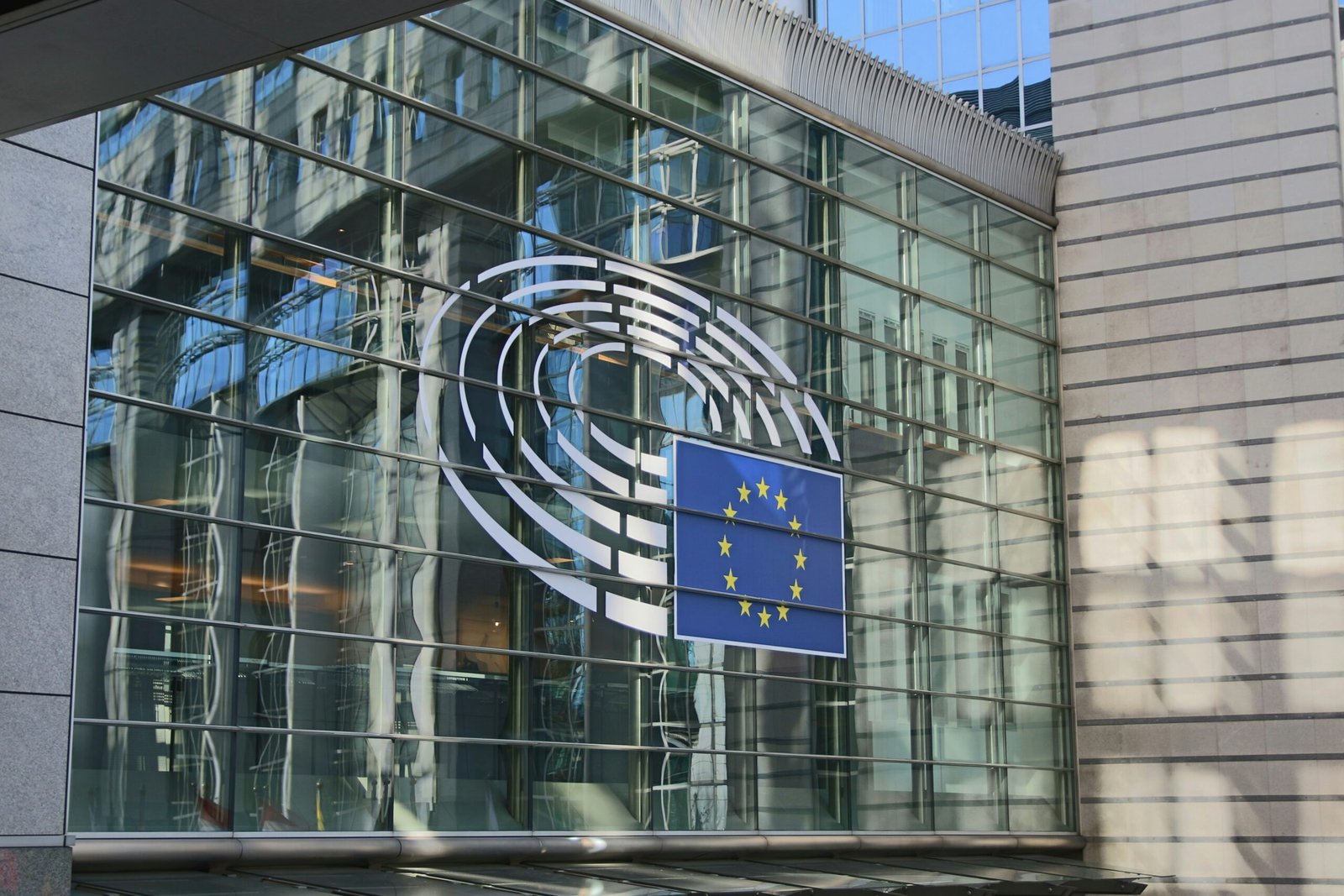
EU leaders Ursula von der Leyen and António Costa, in a joint statement on Friday, praised “the determination, courage and hard work shown by both countries in advancing reforms, even in the face of immense challenges”.
“Enlargement is a strategic choice,” they said .
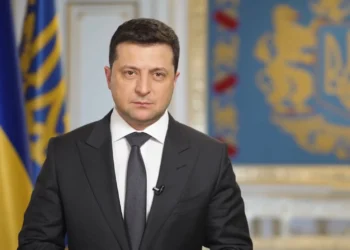
Ukraine’s president, Volodymyr Zelenskyy, noted: “Ukraine is doing what is necessary, and it is important that the EU is also keeping its word. The opening of the first cluster is significant political and moral support for our state and our people.”
Former adviser to the European Commission on enlargement, Heather Grabbe, said the launch of cluster one is a major development, explaining that it represents the beginning of the process toward securing a membership agreement. “It’s the start of the process of getting a deal for membership. So it’s very significant.”
Grabbe, a senior fellow at the Bruegel think tank, also noted that the opening of negotiations would serve as a reality check for Ukraine.
“You can’t short-circuit the adoption and implementation and enforcement of the EU laws on Ukrainian territory. And that is going to take a while to do. And it’s going to cost administratively.”
To become an EU member, a country is required to align its laws with thousands of EU rules and regulations, and ultimately secure the unanimous backing of all current member states.
EU officials have welcomed the reform efforts undertaken by Ukraine and Moldova. In Ukraine, recent high-profile actions—including the arrest of senior officials such as President Zelenskyy’s chief of staff Andriy Yermak, named as a suspect in a major corruption investigation last month—are being interpreted as a sign that anti-corruption cases are being actively pursued. Yermak has rejected all allegations.
However, the positive remarks have been accompanied by concern that Kyiv has made slower progress than expected on the 10 key priority reforms agreed last December.
EU officials believe Ukraine has so far delivered around 15% of the reforms set out in a 10-point plan agreed in December between EU enlargement commissioner Marta Kos and Ukrainian deputy prime minister Taras Kachka. The roadmap includes strengthening the autonomy of anti-corruption institutions Nabu and Sapo, adopting a comprehensive anti-graft strategy, and reforming the systems used to appoint judges and prosecutors.
Officials also say that, if there is enough political commitment, Ukraine could finish the technical stages of negotiations in roughly four years, while stressing that final EU membership will depend on political agreement among member states.
The proposal by German Chancellor Friedrich Merz for Ukraine to receive “associate membership”—allowing participation in EU institutions without voting rights as a stepping stone to full membership—has not received support from other European capitals. However, Ukraine, like other candidate countries, already takes part in some EU policies, reflecting a growing interest in the idea of phased or gradual integration.
Grabbe said the EU should prioritise security when dealing with Ukraine, suggesting deeper integration of the country into defence and security frameworks, where EU regulations are relatively limited.
She said: “Given that Ukraine is the most serious security and defence player on the continent, the only one with battle-hardened troops and a serious arsenal of effective weapons on the modern battlefield dominated by drones, the worst thing that could happen for European security is for some future Ukrainian government to turn against the EU and to become Eurosceptic.”
She added: “They’re not going to turn towards Russia, but if they were to become disillusioned with the EU, this would be a disaster for European security. The EU needs Ukraine at least as much as Ukraine needs the EU to assure all of our future security.”