
President Donald Trump has announced a plan to impose a 100 percent tariff on generic drugs starting in August 2028, with the rate set to jump to 200 percent a year later.
The administration intends to use Section 232 of the Trade Expansion Act of 1962 — typically used to address national security concerns over reliance on imports — to impose the levies.
“Effective August 1st, 2026, all Generic Drugs being brought into the United States will continue to have a TARIFF of ZERO PERCENT for a two year period of time, after which the TARIFF will be raised to 100% for a one year period of time, and 200% thereafter,” Trump wrote on Truth Social.
“This is done in order to RESHORE Generic Pharmaceutical Production into America, with a penalty to those Companies that decide not to build Plant and Equipment within the stated period of time given to them.”
The Section 232 Justification
The Trump administration in April announced the results of a Commerce Department investigation into the national security effects of producing drugs overseas. As a result, brand-name pharmaceuticals will face tariffs as high as 100 percent at the end of this month.
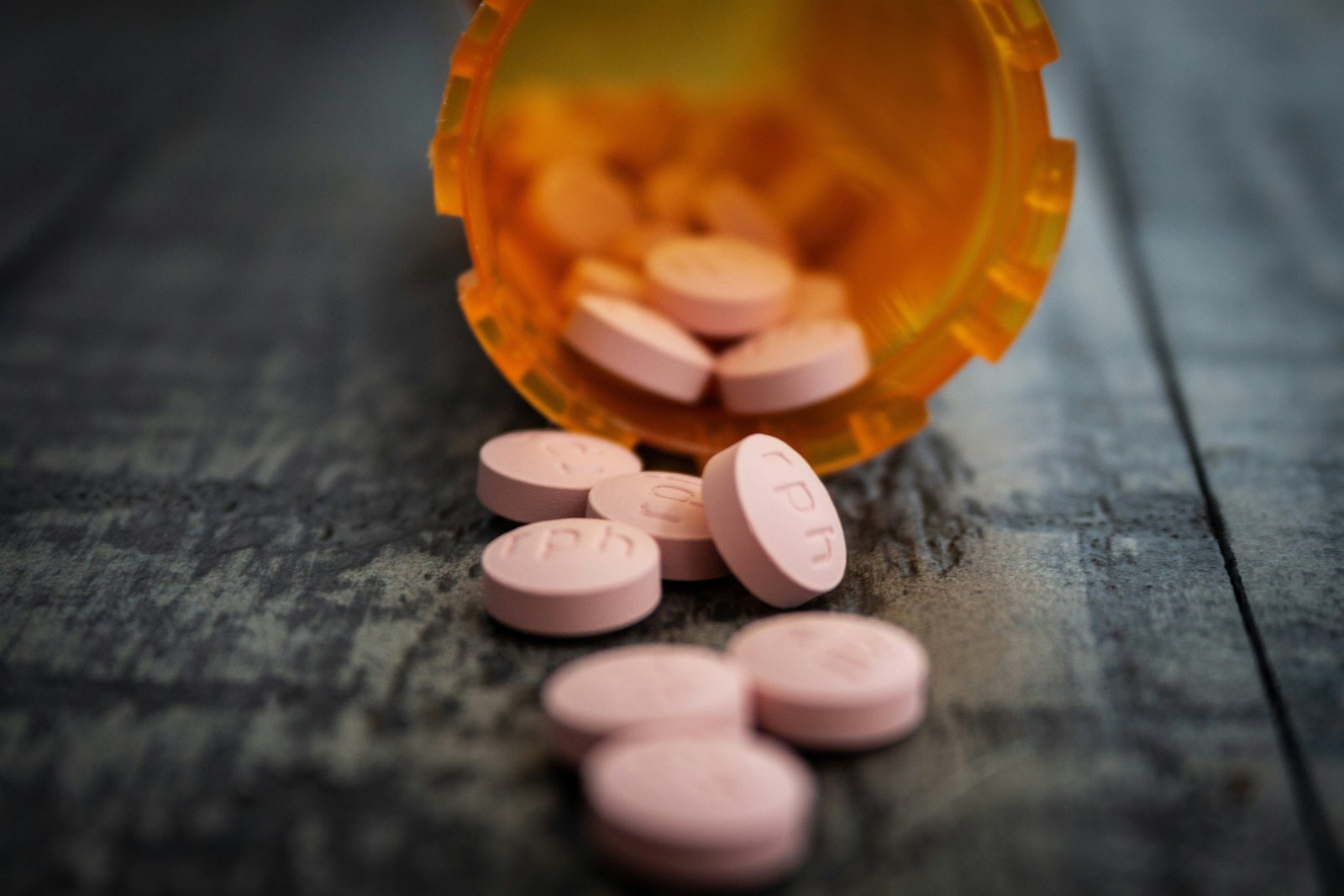
Generic drugs were previously excluded from those duties, along with a raft of other exemptions. The new announcement extends tariffs to generics — but with a two-year delay.
Major drugmakers including Pfizer, Merck, Bristol Myers Squibb, and AstraZeneca have already avoided tariffs by striking their own drug pricing deals with the White House.
The Generic Drug Industry Responds
The Association for Accessible Medicines, which represents generic drugmakers, said it needed more details and urged the administration to address broader barriers to expanding domestic production.
“We need to understand more the specifics of the policy, but the generics industry is committed to pursuing policies that support and stabilize both the industry and the access necessary to ensure patients have reliable options for affordable medicines,” said president and CEO John Murphy III.
He added that the industry has “several legislative and regulatory solutions to address the market deficiencies” and looks forward to dialogue with the administration and Congress.
The Larger Drug Pricing Push
Trump has made drug prices a central focus of his bid to address Americans’ cost-of-living complaints. The Office of the U.S. Trade Representative is pushing foreign governments to spend more on drugs and shoulder more of the costs of innovation.
Last month, USTR launched a trade investigation into Germany’s pricing practices that could result in additional tariffs. The administration also struck a deal with the UK in April that would see Britain adopt a higher cost-effectiveness threshold for drug pricing.
U.S. Trade Representative Jamieson Greer has signaled that other governments could be the target of similar investigations, spurring a flurry of talks.
The Bottom Line
Trump has announced plans to impose 100 percent tariffs on generic drugs starting in August 2028, rising to 200 percent in 2029, as part of a push to reshore pharmaceutical production to the United States. The administration will use Section 232 of the Trade Expansion Act to justify the tariffs. Generic drugmakers have called for more details and dialogue, while the administration has already struck separate deals with major brand-name pharmaceutical companies.