Donald Trump’s WSJ defamation lawsuit against the Wall Street Journal and Rupert Murdoch is facing likely dismissal for a second time following a court hearing in Miami. Federal District Judge Darrin P. Gayles expressed deep skepticism toward arguments presented by Trump’s legal team during a 90-minute session on Wednesday. The suit is a result of a July 2025 news report alleging that Trump sent a birthday note to Jeffrey Epstein in 2003, a claim the former president strongly denies.
Why the Trump WSJ Defamation Lawsuit is Falling Short in Court
This legal battle began after Judge Gayles threw out the original case in April, ruling that Trump’s attorneys failed to meet the legal threshold for actual malice. Although Trump refiled an amended complaint in May, attorneys representing the Wall Street Journal argued that the updated filing offered no new evidence to change the court’s view.
During Wednesday’s proceedings, Trump’s counsel, Alejandro Brito, claimed reporters failed to meet proper journalistic standards before printing the story. Defense attorneys countered that the newspaper clearly included Trump’s explicit denials within the report, which actually proves a fair reporting process rather than malicious intent.
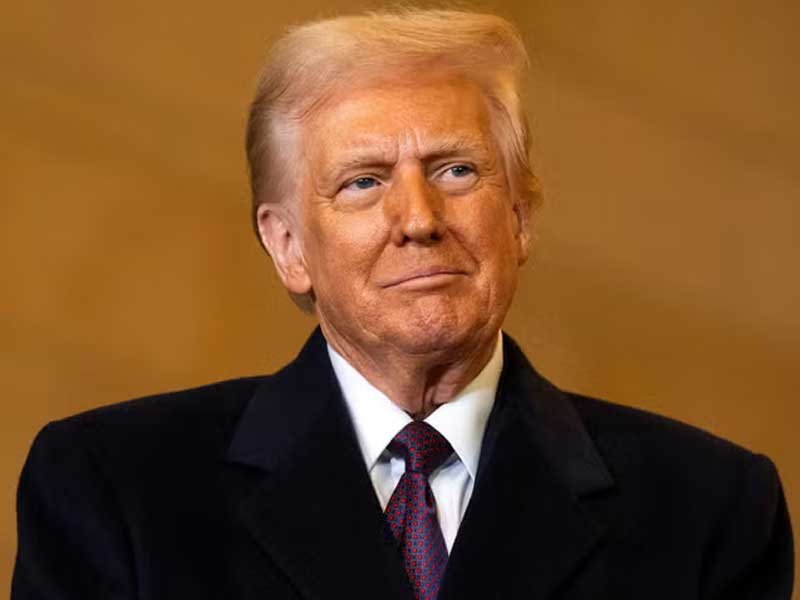
Judge Gayles appeared particularly unconvinced by claims that the article caused specific financial harm to Trump, calling those assertions rather weak and unproven. The judge agreed to stay the discovery process while preparing his formal written ruling, preventing expensive evidence-gathering requests.
My Opinion
Public figures face a very high legal bar when suing news organizations, and that rule exists for good reasons. Under long-standing constitutional law, a public official cannot simply sue a media outlet because they dislike a headline or disagree with a report. You have to prove actual malice, meaning the reporters knew the story was entirely fake or acted with reckless disregard for the truth.
In this case, the Wall Street Journal reporters did what responsible journalists are supposed to do: they investigated the material, reached out to Trump’s team for comment, and prominently printed his denial inside the published article. Adding the subject’s denial isn’t proof of malice; it is proof of thorough, balanced reporting.
Filing multi-billion-dollar lawsuits every time an unfavorable article comes out feels more like a political pressure tactic than a genuine attempt to recover financial losses. When a plaintiff cannot show concrete financial damage or clear evidence of deliberate fabrication, courts have a duty to toss the case out. Judge Gayles’ initial reaction shows that the legal system still values press freedom over political posturing.
Bottom Line
The upcoming decision on the Trump WSJ defamation lawsuit will signal whether public figures can use multi-billion-dollar claims to challenge investigative journalism. With Judge Gayles halting discovery and signaling a swift order, the Wall Street Journal appears poised to secure another complete dismissal in Florida federal court.