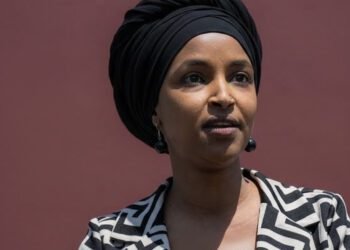
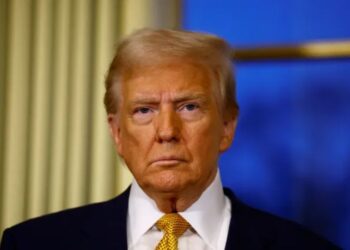
The Trump-Xi summit has wrapped up in the U.S., but despite all the grand ceremonies and high-profile dinners, the meeting ended with virtually no major agreements on the table. Chinese President Xi Jinping completed his first visit to the White House in over a decade, leaving behind a series of polite speeches, a gift exchange, and a clear message that the deep division between the United States and China remains untouched. While official channels tried to frame the event as a success, the reality is that the core issues driving U.S.-China relations into tension, including trade tariffs, advanced technology rivalries, and growing geopolitical disputes, were left completely unresolved.
High-Profile Ceremonies Mask a Lack of Substance
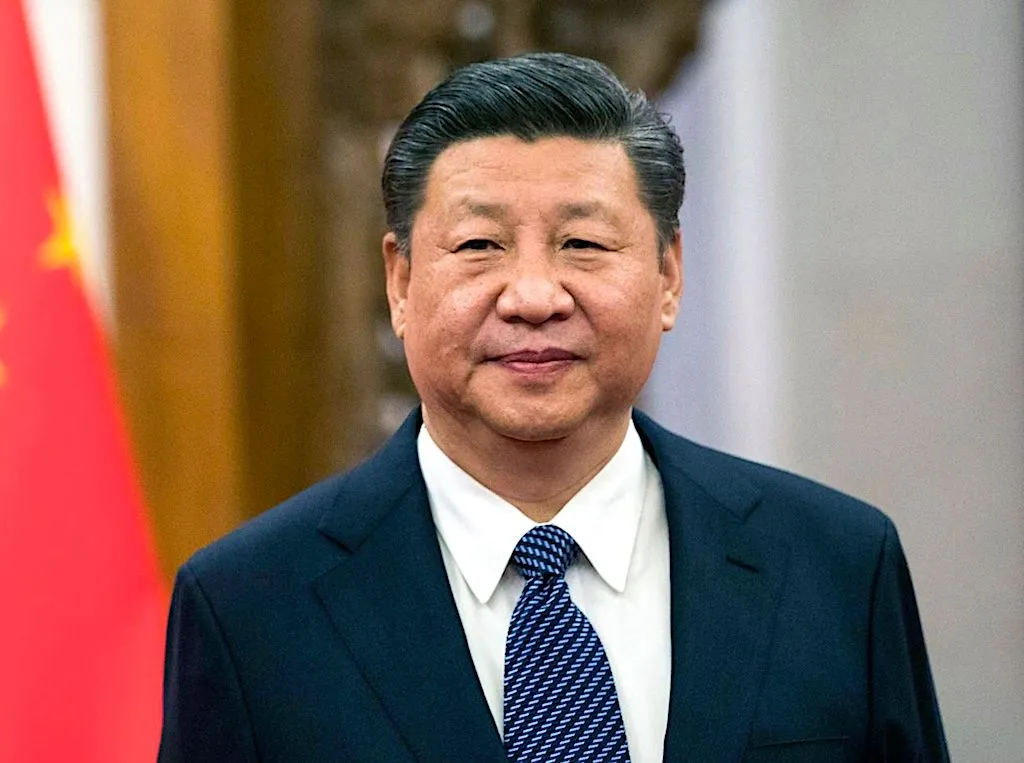
The two-day visit was packed with visual spectacle, from military flyovers and a 21-gun salute to a star-studded state dinner featuring top American tech executives and business leaders. President Trump praised Xi and his wife as “truly outstanding, amazing people” and spoke about building a relationship focused on long-term stability and economic growth. Xi mirrored this tone, stating that both nations reached a “common understanding on many issues” and calling for the two powers to act as responsible global leaders. However, when pressed by reporters on the specific outcomes of their closed-door discussions, neither side could point to a single breakthrough document, trade deal, or binding policy change.
Stagnation Across Trade, Security, and Taiwan Policy
Behind the friendly rhetoric lies a total deadlock on key global flashpoints. The two leaders agreed to extend a short-term tariff truce for another two months, avoiding immediate economic escalation, but they failed to outline any permanent fix to their massive trade disputes. Security concerns also dominated the background, with U.S. officials raising serious complaints about Chinese entities providing indirect intelligence and support to Iran. On the issue of Taiwan, American diplomats maintained that there is no change in Taiwan policy, holding firm to standard strategic lines despite persistent tensions over Beijing’s military signaling in the region.
Small Steps in AI Dialogue Amid Growing Competition
The only tangible outcome of the summit was the decision to establish a basic communication channel regarding artificial intelligence. U.S. officials described this new AI dialogue as a modern equivalent of a Cold War hotline, a simple way for both governments to communicate risks rather than a joint framework for regulation or safety limits. Given that both nations view advanced AI as the ultimate technological battleground, this minimal communication channel serves merely as a basic guardrail rather than a sign of true cooperation.
Opinion
Looking closely at how this entire visit played out, it becomes obvious that high-profile diplomatic summits are increasingly turning into pure media performance rather than spaces for real decision-making. Putting on a huge dinner with tech billionaires and rolling out red carpets makes for great television, but it does absolutely nothing to fix deep-seated structural conflicts between two global superpowers.
When you strip away the speeches and the military reviews, you are left with two nations that simply do not trust each other. The decision to establish a basic communication line for artificial intelligence sounds nice on paper, but calling it a “Cold War red phone” proves just how hostile the dynamic actually is. It is an admission that both sides are preparing for prolonged competition, not cooperation.
Furthermore, kicking the trade problem down the road by continuously extending short-term tariff truces creates endless uncertainty for businesses and consumers alike. A two-month extension is not a strategy; it is a temporary patch. Until both governments are willing to make actual policy compromises on trade, intellectual property, and global security, these lavish summits will remain nothing more than expensive photo opportunities that fail to deliver real-world solutions.