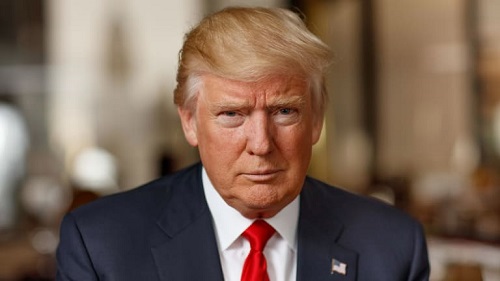

Under a freshly expanded settlement between the Internal Revenue Service (IRS) and President Donald Trump, federal agencies are now legally prohibited from investigating the tax history of the sitting president, his immediate family, and his vast network of businesses. This decision essentially places the Trump empire completely out of the reach of federal tax authorities.
The $1.8 Billion Permanent Shield
The agreement expands on an existing, already controversial financial deal that has been quietly moving through the justice system: The deal builds upon a previously established $1.8 billion “anti-weaponization” fund, which was originally created to resolve long-standing disputes between Trump and the IRS. Tuesday’s update takes things a massive step further by adding an absolute legal ban. The IRS and the Department of Justice are now officially blocked from opening or continuing any investigations into any previously filed tax returns linked to Trump or his entities. The move has drawn intense criticism because Trump directly oversees both the DOJ and the IRS, leading to serious questions about whether a president should be allowed to sign a settlement that grants themselves total financial immunity.

A Dangerous Conflict of Interest
If you ask me, this settlement sets an incredibly dangerous precedent for American democracy. The IRS and the DOJ are supposed to enforce the law equally, regardless of how much power or money someone has. When a sitting president effectively negotiates a deal with agencies that he oversees to permanently lock away his own financial records, it completely destroys public trust in the tax system.
I find it deeply hypocritical for the government to call this an “anti-weaponization” measure. If an ordinary citizen is suspected of tax fraud or underreporting their income, they face aggressive audits, heavy fines, or jail time. They don’t get to create a multi-billion-dollar fund to ban the government from checking their math. By shielding his family and his businesses from future scrutiny, Trump isn’t stopping the “weaponization” of government; he is using his executive power to rewrite the rules for himself. It is a massive conflict of interest that makes it look like the president is entirely above the law.
Why the Waiver is Facing Massive Scrutiny
Legal experts and political opponents are already preparing to challenge the legality of this expanded waiver in court. The ban doesn’t just protect Trump personally; it covers the entire Trump Organization, making it impossible for federal investigators to look into foreign business dealings or real estate valuations. By extending the legal protection to his children and extended family, the deal cuts off several ongoing state and federal tax inquiries that have been active for years.
The presence of Acting Attorney General Todd Blanche at the center of these negotiations has added fuel to the fire, as critics point out his deep, long-standing personal and professional ties to the president.
A New Era of Executive Privilege
The expansion of this IRS settlement marks a dramatic shift in how presidential finances are handled. For years, the public fight over Trump’s tax returns dominated the headlines, but this new legal shield aims to close that door forever. If this agreement holds up under the inevitable wave of lawsuits, it will mean that the financial inner workings of the Trump empire will remain a total secret, safely out of reach from the very government he runs.