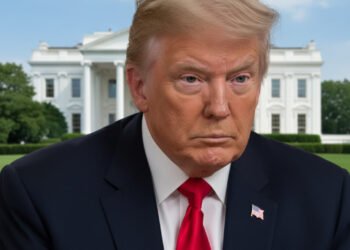
China announced on Saturday that it reached an eight-point consensus with the United States, anchored by a reciprocal $30 billion tariff-reduction arrangement and a formal bilateral dialogue on artificial intelligence. The agreement follows Chinese President Xi Jinping’s three-day state visit to Washington, marking his first state visit to the U.S. capital in 11 years and his second face-to-face meeting with President Donald Trump this year.
Beyond the tariff rollbacks on non-sensitive goods, both nations agreed to form a joint trade council, extend key trade outcomes established during earlier talks in Kuala Lumpur, and maintain a two-month trade truce extension into mid-November to negotiate a broader pact.
Strategic AI Dialogue and Diplomatic Alignment
A major outcome of the summit focuses on emerging technologies. The U.S. and China agreed to establish a dedicated communication channel for AI-related incidents and will host their next formal round of talks regarding artificial intelligence risks and benefits in November.
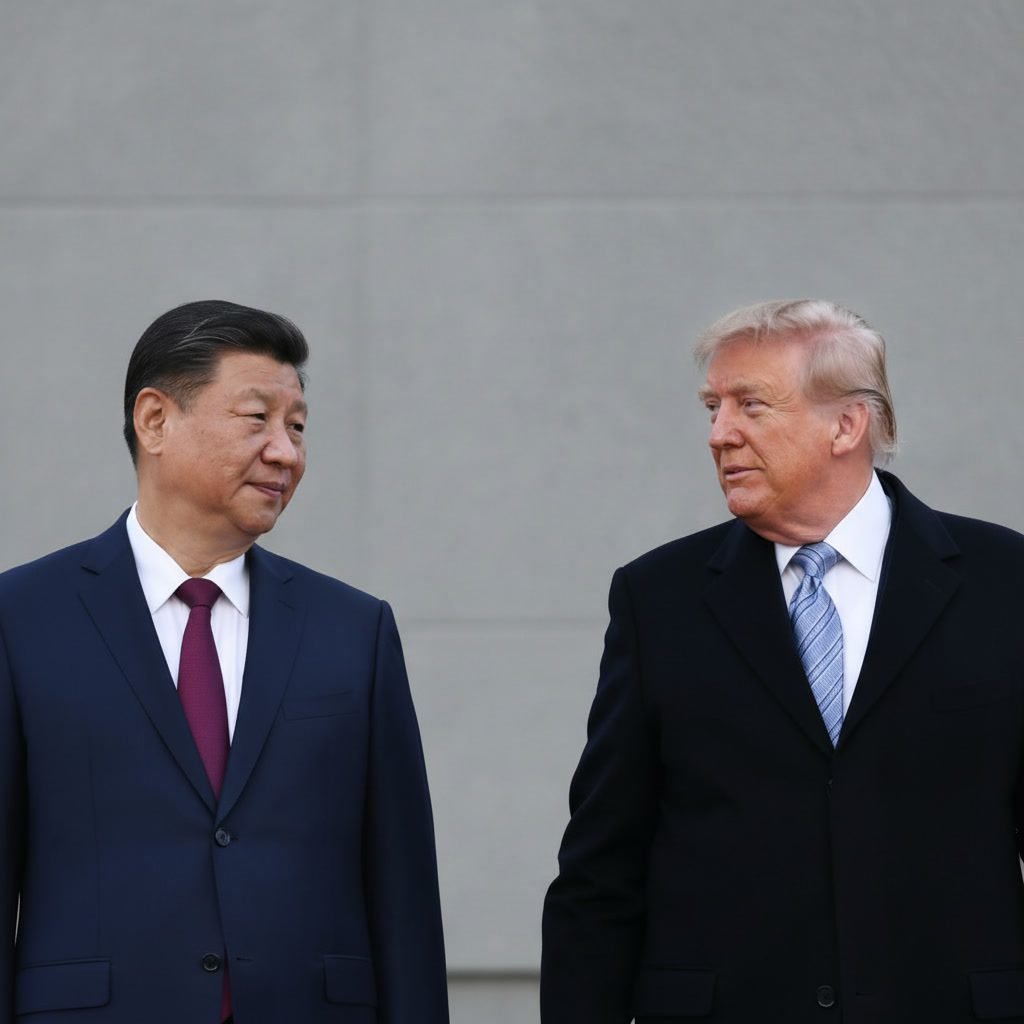
The Chinese Foreign Ministry also highlighted alignments on international policy, noting that both sides agreed Iran should strictly uphold non-proliferation commitments and that no entity should levy transit tolls on international maritime trade routes.
My Opinion
While a $30 billion reciprocal tariff reduction is a welcome buffer for global markets, it represents a tactical stabilization rather than a structural economic reset.
The agreement shows that both Washington and Beijing are prioritizing economic predictability ahead of major global summits. Setting up formal communication channels for technologies like artificial intelligence is a prudent step to prevent accidental escalation. However, leaving core competitive frictions unaddressed means this agreement acts primarily as a temporary bridge to maintain market stability rather than a permanent solution to long-term trade tensions.